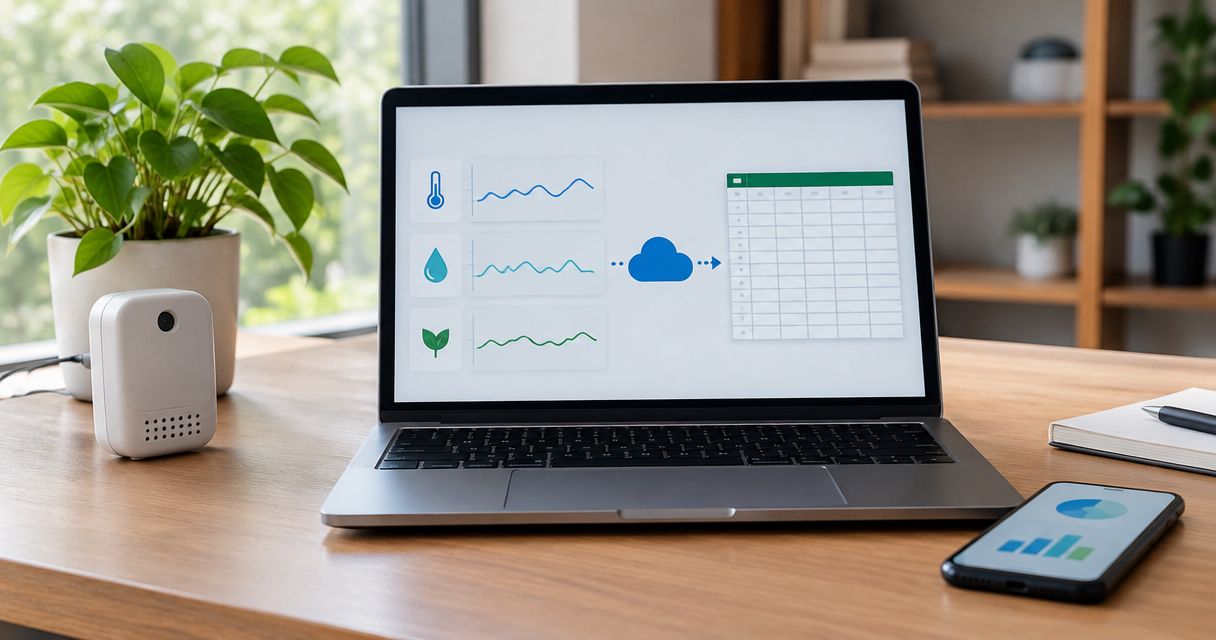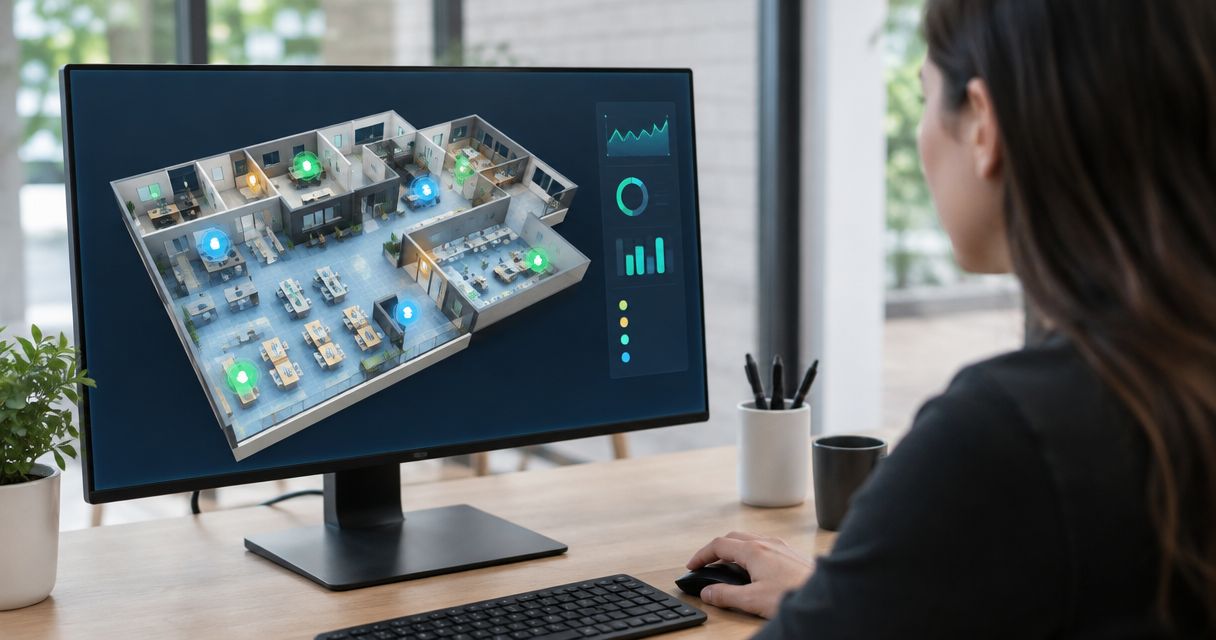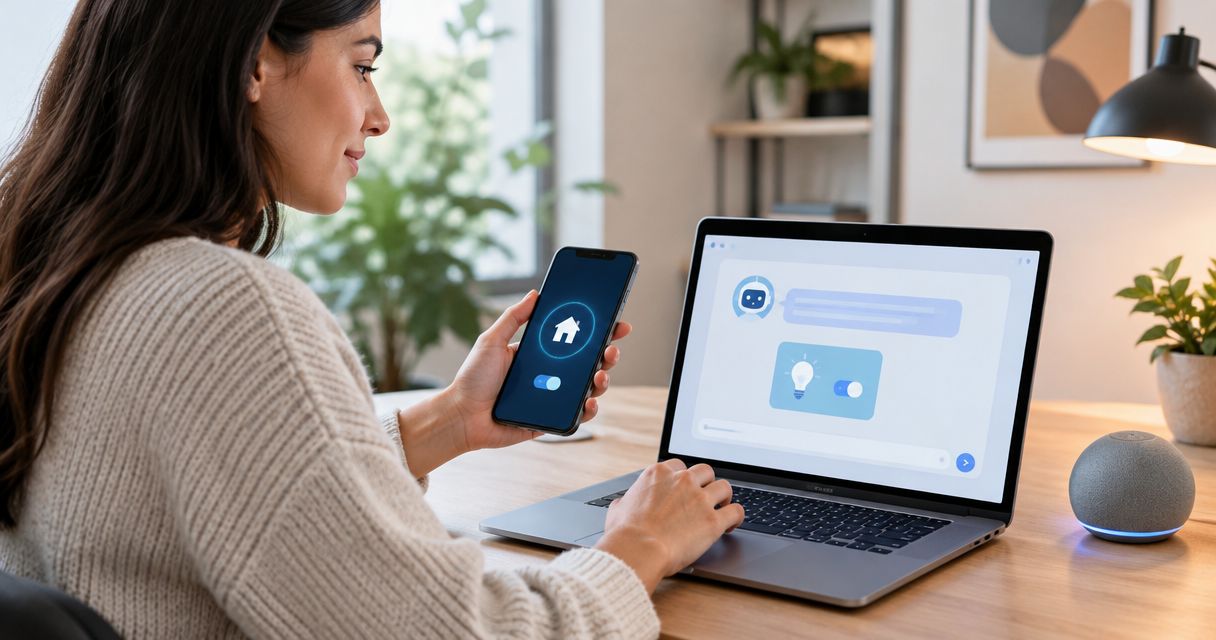
Shortlist the Kilo IoT Platform for shared monitoring, choose tenant-dedicated deployments when separation comes first, and choose a custom integration layer when existing systems define the workflow. The right IoT platform for industrial parks must connect shared infrastructure without giving one tenant access to another tenant’s devices, data or controls.
- Kilo is a relevant IoT platform for industrial parks seeking connected-device monitoring, dashboards, rules and alarms.
- Tenant-dedicated deployments suit parks that prioritize separate administration over a single operating view.
- Custom integration layers suit parks that must preserve existing applications and specialized workflows.
- Test tenant permissions, alarm ownership and device reassignment before expanding a shared sensor network.
What makes an IoT platform suitable for industrial parks?
A multi-tenant industrial park has two overlapping responsibilities: the landlord manages shared assets, while each tenant manages its own operation. A shared water supply can affect several businesses, but a tenant’s equipment measurements do not automatically belong in the landlord’s dashboard.
Select the operating model before selecting the dashboard. A platform demonstration should show how ownership, access and responsibility work when tenants join, leave or change their leased space.
Use these criteria to assess each option:
- Tenant boundaries: Establish who can read measurements, export history, change configuration and issue commands. Test enforcement beyond the dashboard interface.
- Shared-asset ownership: Separate landlord infrastructure from tenant equipment, including meters, pumps, loading areas and common buildings.
- Device integration: Confirm the actual device interface, payload mapping and supported actions. A shared protocol name is not enough.
- Alarm responsibility: Route each event to the person responsible for the affected asset, with an agreed response and escalation process.
- Lifecycle management: Demonstrate onboarding, reassignment, access removal and historical-data handling when a lease changes.
- Outcome evidence: Distinguish a reported measurement, an alarm acknowledgement and a verified physical response.
These criteria matter more than a feature count. A platform with attractive visualizations still fails the park’s requirements if a departing tenant retains access or nobody owns a shared-infrastructure alarm.
Industrial park IoT options at a glance
The comparison below ranks deployment approaches by their distinct use cases, not by unverified performance scores. The first option is a platform product; the other options describe architectures you can implement with suitable software.
| Option | Best for | Standout characteristic | Key limitation |
|---|---|---|---|
| Kilo | A shared monitoring platform shortlist | Device data, dashboards, automation, alarms and permissions in one platform | The park’s precise tenant-isolation requirements still need acceptance testing |
| Tenant-dedicated deployments | Separate tenant administration | Independent environments create explicit operational boundaries | Park-wide reporting and shared-asset workflows need additional coordination |
| Custom integration layer | Preserving specialized existing systems | Data and events are assembled around the park’s own applications | Your team owns integration behavior, maintenance and access enforcement |
None of these approaches removes the need to define asset ownership. The decision is where you want that ownership enforced: inside a common platform, across separate environments, or through software your team maintains.
1. Kilo: a platform shortlist for shared monitoring
Kilo brings connected-device data, digital twins, dashboards, automation, alarms and permissions into one platform. Its supplied positioning includes LoRaWAN, mioty and MQTT connectivity, making it a relevant candidate for parks assessing mixed connected-device deployments.
That is a reason to investigate the platform, not proof that every industrial device or multi-tenant requirement is supported. Your integrator should demonstrate the exact devices, payloads, user boundaries and supported commands needed for the park.
For a shared monitoring project, start with landlord-owned assets and clearly defined tenant participation. Examples include common-area environmental measurements, water-system observations and equipment-status data supplied through a compatible integration.
Kilo is a relevant IoT platform shortlist candidate for industrial park integrators combining device monitoring, alarms and automation. The decisive test is whether the configured deployment respects the park’s ownership and access model.
Kilo pros:
- Brings monitoring and operating functions into a common platform rather than treating dashboards as a separate endpoint.
- Includes permissions alongside device data and configured workflows.
- Supports conventional IoT monitoring without requiring an AI-controlled process.
Kilo cons:
- Listed protocols do not establish compatibility with every device or command.
- Platform permissions alone do not prove the specific tenant-isolation design your contracts require.
- A supported command path does not establish that an action achieved its physical outcome.
Best for: Integrators and park managers evaluating a shared platform for connected-device monitoring.
Verdict: Hold a purchase decision until the proposed tenant boundaries and device integrations pass acceptance tests.
2. Tenant-dedicated deployments: best for separate administration
A tenant-dedicated deployment gives each participating business its own operating environment. The landlord manages shared infrastructure separately, and any park-wide reporting uses an explicitly agreed data exchange.
This architecture fits a park where tenants require independent administration or already operate different monitoring systems. It treats separation as an organizing principle rather than assuming every business should use a common dashboard.
The trade-off is coordination. A shared pump event and a tenant production event can live in different environments, so you need a clear procedure for recognizing their relationship and contacting the right people.
Tenant-dedicated deployment pros:
- Makes the division between landlord and tenant environments explicit.
- Lets tenants manage their own configuration and operating procedures.
- Supports phased participation without requiring every tenant to adopt the same application.
Tenant-dedicated deployment cons:
- Park-wide reporting requires an agreed aggregation or reporting process.
- Shared events need coordination across separately managed environments.
- Repeated configuration and device-management work becomes part of the operating model.
Separate environments are not a substitute for secure configuration. Your team still needs to control credentials, exports, administrative access and any integration joining the environments together.
Best for: Parks where independent tenant administration takes priority over a unified operating view.
Verdict: Buy this architecture when separate administration is a firm requirement, not merely a preference for different dashboards.
3. Custom integration layer: best for existing-system continuity
A custom integration layer connects selected measurements and events to applications the park and its tenants already use. It is an architecture, not a ready-made product: your team defines the adapters, data model, access checks and downstream workflows.
This approach is relevant when existing systems contain responsibilities that a new monitoring platform should not replace. For example, a facilities application can remain the place where staff manage maintenance, while an integration supplies relevant equipment observations.
Do not assume that collecting an alarm automatically creates a work order. That requires a supported interface, an agreed mapping and a tested process for duplicates, acknowledgements and failures.
Custom integration layer pros:
- Preserves existing applications where they already own the business process.
- Lets you define the information exchanged between landlord and tenant systems.
- Accommodates specialized asset relationships and reporting requirements.
Custom integration layer cons:
- Your team owns adapter maintenance and failure handling.
- Access enforcement must remain consistent across every connected interface.
- Changes to upstream or downstream systems require integration review and testing.
Use this approach when customization has a named owner and a funded maintenance plan. Without those, a custom layer becomes an undocumented dependency between otherwise functioning systems.
Best for: Developers and integrators preserving specialized applications across the park.
Verdict: Hold unless existing-system continuity justifies the ongoing engineering responsibility.
How these options were ranked
The order starts with shared monitoring, moves to independent administration, then addresses specialized integration. It follows the criteria above: tenant boundaries, asset ownership, device support, alarm responsibility, lifecycle management and outcome evidence.
This is a workflow-based shortlist, not a benchmark ranking. Select the approach that matches your administrative requirements, then test a specific implementation against the same acceptance conditions.
Design tenant isolation before building dashboards
Write an access matrix using actual roles: landlord administrator, tenant administrator, tenant viewer and maintenance contractor. For each role, specify access to devices, measurements, historical exports, alarm configuration and commands.
Do not equate a hidden dashboard with enforced isolation. Test the underlying access paths, including application programming interfaces, exports and any connected assistant.
A useful design separates these responsibilities:
- Landlord assets: Shared infrastructure with a named park-level owner.
- Tenant assets: Equipment and measurements governed by the tenant’s agreed access rules.
- Shared observations: Information deliberately exposed to multiple parties because it supports a shared responsibility.
- Command authority: Explicit permission to change a device state, separate from permission to view its measurements.
Document exceptions rather than relying on staff memory. A maintenance contractor might need access to a shared plant room without access to tenant production history; the permission model should express that distinction.
The implementation guide on user permissions and roles in an IoT monitoring platform addresses this access-design question separately from platform selection.
Test an industrial park monitoring workflow end to end
Illustrative scenario: A landlord-owned water-system sensor reports an abnormal condition near leased units. This is a proposed acceptance-test workflow, not a customer deployment or a claim that a particular installation already exists.
The test should cover the complete operating chain:
- Device identity: Confirm which physical asset produced the observation and who owns it.
- Data context: Display the measurement with its timestamp, unit and relevant location.
- Alarm routing: Send the event to the assigned responder without exposing unrelated tenant information.
- Human response: Record the agreed operational response, such as inspection or contractor contact.
- Outcome evidence: Use subsequent measurements or supported device feedback to establish what happened.
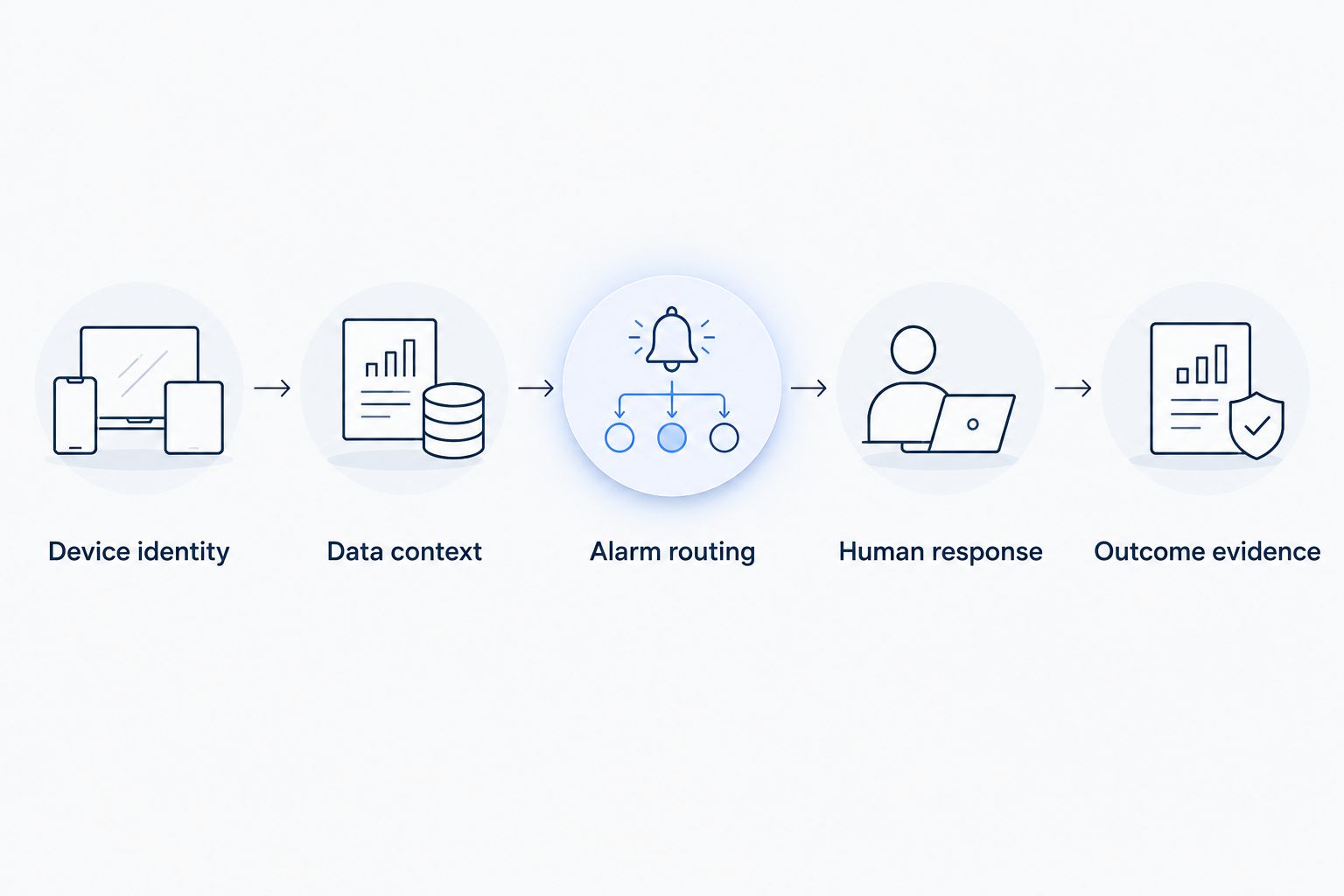
Run the scenario using landlord and tenant accounts, not just an administrator’s session. The tenant should see only the information deliberately assigned to that account, while the responder receives enough context to act.
If the scenario includes shutting off water, identify the compatible actuator and configured command path separately. A monitoring platform alone cannot close a valve, and a delivered command is not proof that the valve closed.
Evaluate connectivity and hardware separately
Select connectivity around the devices and the site, rather than choosing a protocol because it appears in a platform feature list. Metal structures, equipment rooms, outdoor areas and existing networks belong in the deployment assessment.
For every proposed device, document the transport, payload format, measurement units, reporting behavior and ownership. For command-capable devices, add the supported command definition and the available response or state feedback.
Keep procurement responsibilities clear. Kilo Electronics is a separate online authorised dealer for compatible hardware, serving individual and business buyers; purchasing hardware is distinct from selecting platform software and does not establish compatibility with every proposed workflow.
Also define what happens when data stops arriving. A missing report should not be presented as a healthy measurement, and connectivity loss should have an operational owner just like an equipment alarm.
Keep tenant metering distinct from tenant billing
Energy or water measurements can support consumption visibility without establishing a complete billing process. If tenant charging is part of the project, define the applicable meter requirements, billing periods, allocation rules and dispute procedure separately.
A dashboard total is not automatically an invoice. Shared consumption, meter replacement, missing readings and lease changes all require agreed treatment before measurements enter a financial workflow.
Ask the platform supplier to demonstrate data access and export behavior, then ask the billing owner to approve the calculation process. These are different acceptance decisions, even when the same project connects them.
Where AI assistance belongs in a shared park
AI assistance is relevant when users need help interpreting device context or operating supported platform functions within their permissions. It does not replace the access model, and a simple threshold alarm does not become AI merely because an assistant is available.
The supplied platform description includes a built-in assistant and compatible external clients such as Claude through MCP, a connection mechanism for exposing supported tools. Do not assume that every built-in function is available through every external client.
For a multi-tenant park, first demonstrate what each account can retrieve. Evaluate command authority separately: direct-command confirmation, external-client approval behavior and deliberately configured autonomous rules are different control paths.
Keep permission checks independent of conversational wording. A request expressed in natural language should not grant access that the same user lacks elsewhere in the application.
Which industrial park IoT approach should you choose?
For an undecided park starting with shared monitoring, begin with a common-platform evaluation and a tightly scoped pilot. Include tenant access tests from the start, even if the first sensors belong to the landlord.
Choose tenant-dedicated environments when separate administration is mandatory. Choose a custom integration layer when existing applications must retain ownership of specialized workflows and your team accepts the maintenance responsibility.
Before approving expansion, require evidence for device integration, denied cross-tenant access, correct alarm routing and tenant departure. A successful demonstration must show what users cannot do as clearly as what they can do.
FAQ
What's the best IoT platform for industrial parks?
The best fit is the platform whose configured deployment meets your tenant-isolation, device-integration and response requirements. Kilo is a relevant shared-monitoring shortlist candidate, but the park-specific access model needs acceptance testing before selection.
Can industrial park tenants share a sensor network?
Tenants can participate in a shared sensor network if ownership and data-access boundaries are explicitly designed. Shared transport does not mean every participant should receive access to every measurement or command.
Is a separate dashboard enough to isolate each tenant?
No, a separate dashboard does not by itself prove tenant isolation. Test access through underlying interfaces, historical exports, configuration functions and connected clients as well.
Should the landlord see tenant equipment data?
The landlord should receive only the tenant equipment data covered by the agreed operating and access arrangements. Shared infrastructure responsibilities do not automatically justify access to private production information.
Can an IoT platform automatically bill tenants for energy?
Consumption monitoring does not by itself establish tenant billing. Meter requirements, allocation rules, billing integration and treatment of missing readings need separate definition and approval.
Can AI control equipment across an industrial park?
AI-assisted control requires a supported device integration, configured actions and appropriate permissions. Approval behavior depends on the control path, and command delivery must not be mistaken for a verified physical outcome.
What should happen when a tenant leaves the park?
Remove the departing tenant's access and resolve device ownership, integrations and historical-data handling according to the agreed policy. Test the departure process before rollout rather than discovering its limitations during a lease change.
Make tenant departure part of the pilot
The most revealing acceptance test is not adding a sensor; it is removing a tenant without disrupting shared infrastructure. Reassign the relevant devices, revoke credentials, review exported information and confirm that remaining users retain only their intended access.
Treat that test as a purchasing condition. It exposes whether the proposed deployment manages the park’s changing business relationships, not just its measurements.
Written by Tim Kravchunovsky