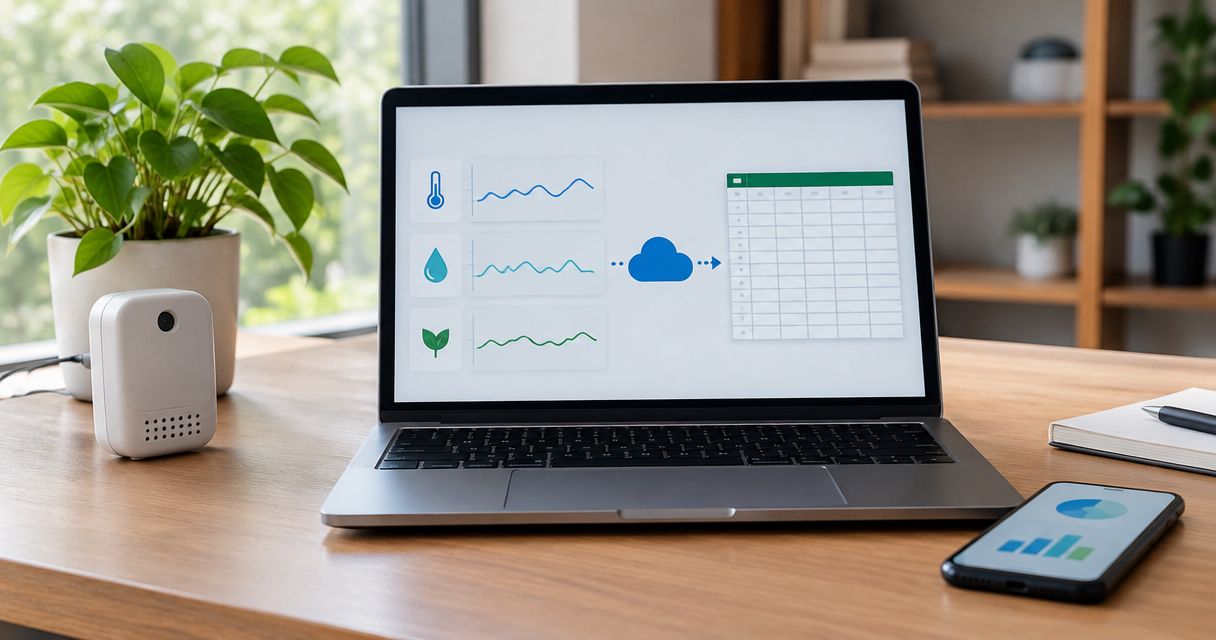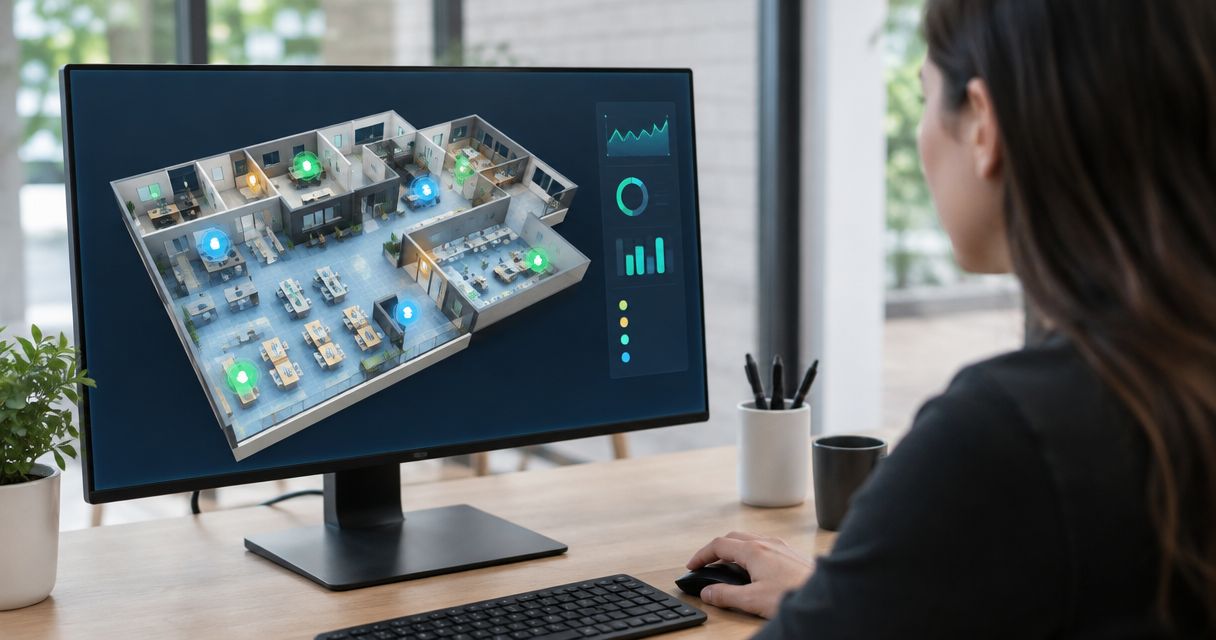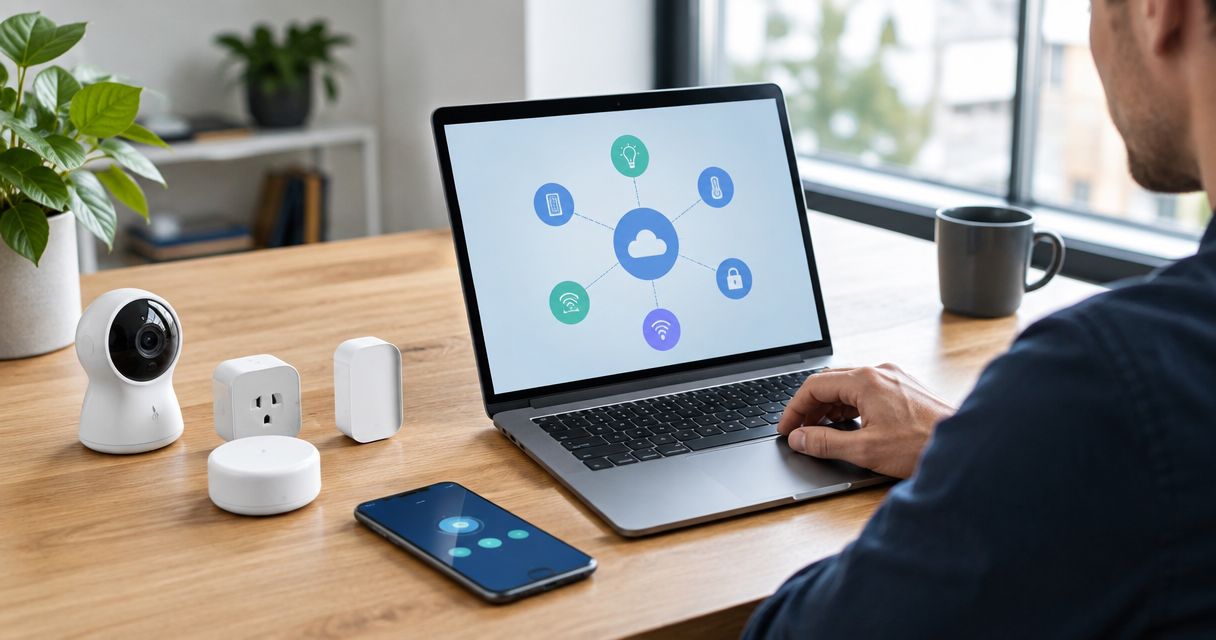
For IoT platform device onboarding speed, evaluate the Kilo IoT Platform for connected monitoring, ThingsBoard for configurable applications, AWS IoT Core for AWS-based device fleets, and Azure IoT Hub for Azure-based device applications. The useful ranking is time to validated telemetry in your environment—not time to create a device record.
- Judge IoT platform device onboarding speed by validated telemetry, correct permissions, and a usable application—not registration alone.
- Kilo fits integrators who want device management, dashboards, automation, and alarms in one IoT platform.
- ThingsBoard suits configurable monitoring applications; AWS IoT Core and Azure IoT Hub suit cloud engineering workflows.
- Compare identical devices and starting conditions before declaring any platform faster.
Written by Tim Kravchunovsky
What makes an IoT platform faster to onboard devices?
Device onboarding means establishing identity, connecting the device, interpreting its data, and making that data useful to an authorised user. Registration is only part of it. A device that appears in a console but produces an unexplained payload is not ready for a monitoring application.
For a 2026 platform evaluation, use these criteria before reading the shortlist:
- Connection readiness: Does the platform support the actual device interface and integration path, not just the protocol name?
- Identity and credentials: Can your team provision the required identifiers, credentials, and permissions consistently?
- Payload interpretation: Can you turn incoming messages into named measurements with correct units and timestamps?
- Application readiness: How much work separates the first message from a useful dashboard or alarm?
- Repeatability: Can another engineer reproduce the process without relying on undocumented shortcuts?
- Failure visibility: Can you distinguish connection problems, authentication failures, and incorrect data mapping?
These criteria expose different kinds of speed. A monitoring platform brings application features into the same environment, while a cloud device service gives developers building blocks for a custom application. Neither approach wins every project.
Keep onboarding speed separate from deployment speed. Coverage surveys, installation, procurement, and historical-data migration affect a rollout, but they are different tasks from connecting and validating a device.
IoT device onboarding platforms at a glance
The order below is a workflow-fit shortlist, not a measured speed leaderboard. Start with the option matching the application you need, then establish the timing with your own devices.
| Order | Platform | Best for | Onboarding advantage to evaluate | Key limitation |
|---|---|---|---|---|
| 1 | Kilo IoT Platform | Connected monitoring with an integrated operating layer | Device management, dashboards, automation, and alarms together | Protocol support does not establish compatibility with every device or payload |
| 2 | ThingsBoard | Configurable telemetry applications | Device entities, telemetry, dashboards, and rule processing | Deployment and application configuration remain part of the work |
| 3 | AWS IoT Core | Device fleets within an AWS application | Device identity, messaging, policies, and provisioning building blocks | A complete monitoring application requires additional implementation |
| 4 | Azure IoT Hub | Device applications within Azure | Device identities, messaging, and integration with Device Provisioning Service | Provisioning and operational application design are separate tasks |
Read the “Best for” column as a routing decision, not a claim that one vendor is universally faster. An existing cloud application changes the starting point substantially. So does an existing sensor network with working payload decoders.
1. Kilo: IoT platform onboarding for connected monitoring
The Kilo IoT Platform combines device management, digital twins, dashboards, automation, alarms, and permissions. It is an IoT Platform for Physical AI, but conventional monitoring projects can use the platform without making an AI agent part of onboarding.
For this shortlist, its relevant proposition is the shared operating environment. You can evaluate the connection and the monitoring workflow together instead of treating device registration as the finish line. LoRaWAN, mioty, and MQTT connectivity are part of the supplied platform description; the particular device interface and payload still determine the integration work.
Kilo pros and cons:
- Pro: Device management and monitoring capabilities sit within one platform.
- Pro: Dashboards and alarms provide useful acceptance targets beyond message ingestion.
- Pro: Permissions are part of the operating layer, relevant when integrators hand deployments to users.
- Con: A shared protocol does not prove that a device model, decoder, or command is supported.
- Con: AI assistance does not remove the need to verify identities, measurements, permissions, and outcomes.
Best for: Integrators and solution builders evaluating connected monitoring with device context and operational workflows together.
Verdict: Hold the purchase decision until your actual device produces a correctly interpreted measurement and the intended user can access it. That acceptance test establishes fit more clearly than a generic speed claim.
2. ThingsBoard: IoT onboarding for configurable applications
ThingsBoard is an IoT platform with device management, telemetry, dashboards, and rule processing. It is a relevant candidate when you want to configure an application around connected-device data rather than build every application component separately.
Separate the platform setup from the device setup during evaluation. If your chosen deployment requires infrastructure preparation, record that work instead of hiding it outside the onboarding discussion. Then examine device credentials, data keys, dashboard configuration, and the rule path needed for your application.
ThingsBoard pros:
- Device entities and telemetry support a connected monitoring model.
- Dashboards let you evaluate how incoming data reaches users.
- Rule processing supports workflows beyond storing messages.
ThingsBoard cons:
- The chosen deployment model changes who handles platform infrastructure.
- Application configuration and payload interpretation still require deliberate work.
Best for: Developers and integrators who want a configurable telemetry application and are prepared to manage its deployment choices.
Verdict: Hold until the chosen deployment and device configuration are reproducible. A polished demonstration does not establish how easily your team can repeat it.
3. AWS IoT Core: device onboarding for AWS-based fleets
AWS IoT Core provides connected-device messaging and identity-related capabilities within AWS. Device certificates, policies, and provisioning workflows are central considerations when evaluating its onboarding path.
This is a different comparison from choosing a complete monitoring application. A device connection can be successful while your dashboard, notification workflow, and user-facing application still need implementation. For an existing AWS project, that separation can fit the architecture; for a team seeking ready operational monitoring, it adds another workstream.
AWS IoT Core pros:
- Device identities and policies support explicit connection permissions.
- Provisioning capabilities are relevant to repeatable fleet onboarding.
- AWS integration fits applications already built around AWS services.
AWS IoT Core cons:
- Identity and policy configuration require engineering attention.
- Device messaging alone is not a finished dashboard or alarm application.
Best for: Engineering teams building or extending device applications within AWS.
Verdict: Hold until the full path from device identity to application output works. Do not rank AWS IoT Core against an application platform using connection time alone.
4. Azure IoT Hub: device onboarding for Azure applications
Azure IoT Hub provides device identities and messaging for applications using Azure. Azure IoT Hub Device Provisioning Service is a separate service for provisioning devices to IoT hubs, which makes the distinction between enrolment and application readiness especially useful here.
Evaluate the intended authentication and provisioning approach before timing the exercise. Then follow the data into the application that consumes it. A successful provisioning event establishes part of the connection path, not whether a facilities user can interpret the resulting measurement.
Azure IoT Hub pros:
- Device identities provide a defined starting point for connection management.
- Device Provisioning Service supports provisioning workflows.
- Azure integration fits teams already building applications in that environment.
Azure IoT Hub cons:
- Provisioning configuration is separate from the operational application.
- Downstream interpretation, presentation, and response workflows need their own validation.
Best for: Developers building connected-device applications within Azure.
Verdict: Hold until provisioning and the intended application output both pass acceptance. Existing Azure experience belongs in the evaluation because it changes the team's preparation work.
How to measure IoT platform device onboarding speed
For your 2026 comparison, use the same device model, firmware, payload, network conditions, and acceptance criteria across candidates. Document anything already configured. Otherwise, you are timing different starting points rather than different onboarding paths.
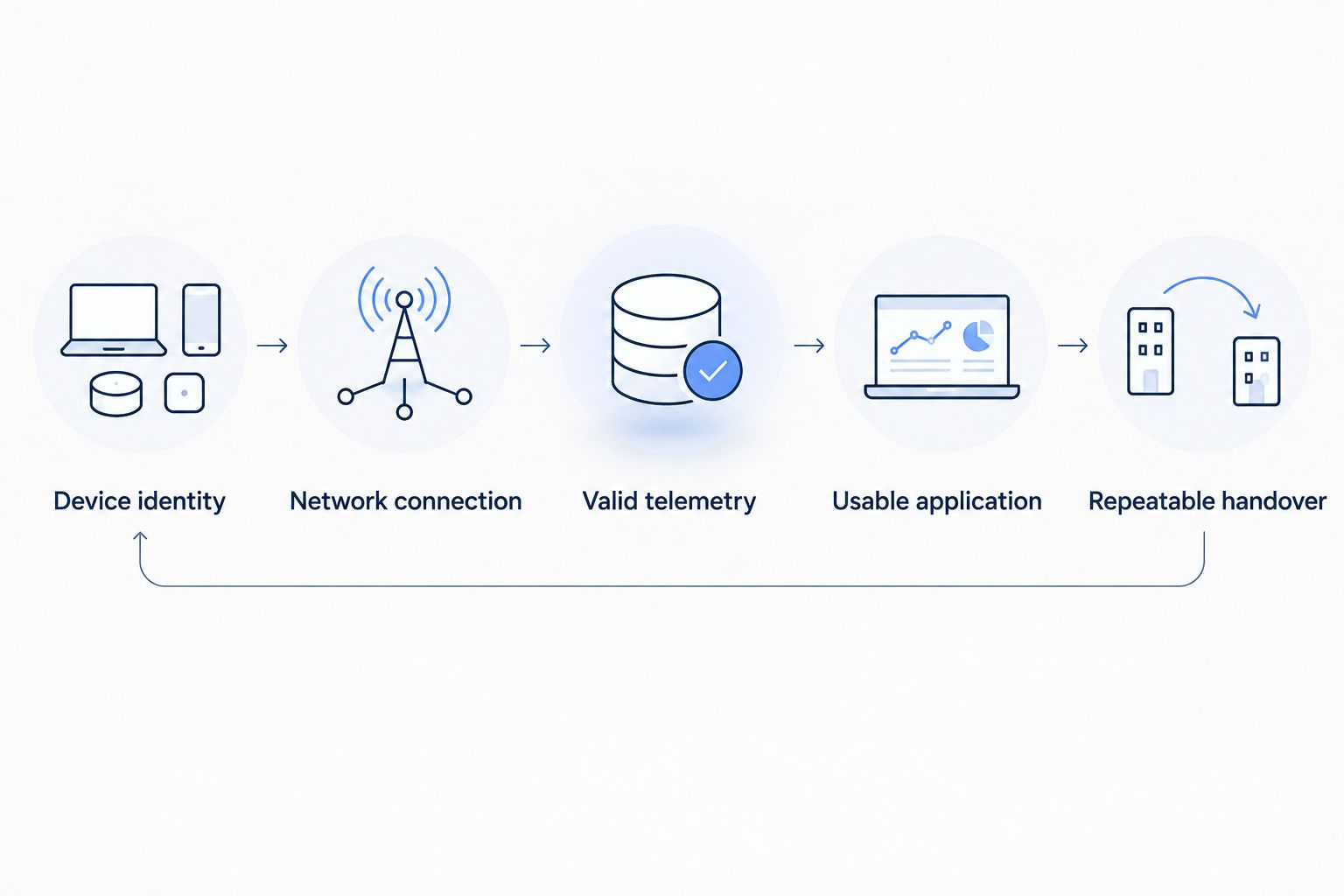
Use a staged process with clear evidence at each boundary:
- Device identity: Confirm the device identifier, ownership, credentials, and intended permissions.
- Network connection: Establish the supported connection path and confirm that messages reach the platform.
- Valid telemetry: Verify measurement names, units, timestamps, and interpretation against the device documentation.
- Usable application: Display the measurement in the intended application and test the required alarm or response workflow.
- Repeatable handover: Have another person repeat the process and confirm the intended user's access.
Record elapsed time and hands-on work separately. Waiting for a scheduled sensor transmission is not the same as editing a decoder, and a vendor-prepared configuration is not the same starting condition as a blank project.
Keep a separate record of errors and corrections. A quick successful attempt with undocumented fixes is harder to repeat than a slightly longer process with clear instructions. Your selection should reflect both.
Where LoRaWAN, mioty, and MQTT change the comparison
A protocol label is not an onboarding method. LoRaWAN and mioty deployments involve a sensor-network path, while MQTT describes messaging between clients and a broker. The integration details determine what the application platform receives and what your team must configure.
For LoRaWAN, examine network registration, identifiers, activation configuration, network-server integration, and payload interpretation. A working uplink does not establish that the displayed temperature or battery value is correct. Keep network connectivity and application decoding as separate acceptance points.
For mioty, identify the network and service components delivering sensor data to the platform. Confirm where payload interpretation happens and how device identity is preserved. Do not assume that another low-power wireless onboarding guide describes the same process.
For MQTT, examine broker access, authentication, topic structure, payload format, and permissions. A published message demonstrates transport; it does not prove that the platform associates it with the correct asset or interprets it correctly.
For repeatable sensor rollouts, the related guide on onboarding LoRaWAN sensors across multiple sites addresses the narrower network-specific question.
What a device onboarding pilot should prove
Use a clearly defined illustrative workflow: a temperature sensor reports a measurement, the platform associates it with the intended cold room, and the authorised user sees the reading. Configure a test condition to exercise the alarm workflow without presenting it as a recommended storage threshold.
The person responsible for the pilot should inspect the original message, interpreted measurement, device association, and alarm result. Those observations establish whether the onboarding path works. They do not establish regulatory compliance or prove that refrigeration equipment is operating safely.
Hardware is a separate purchasing decision. Kilo Electronics is a separate online authorised dealer for compatible hardware, serving individual and business buyers; purchasing there is not an additional platform requirement.
If the pilot includes an actuator, expand the acceptance test. Accepted, queued, or delivered command status is not proof of a physical outcome. Verify the result through supported device feedback or a subsequent measurement, and keep command permissions distinct from permission to view telemetry.
How this shortlist is ordered
This shortlist orders application-oriented monitoring options before cloud device services because the question concerns onboarding into a usable IoT application. It does not assign benchmark times, performance scores, or a universal fastest vendor.
For a 2026 selection, rank the candidates again using your recorded connection, interpretation, application, and handover results. Choose the shortest repeatable path that meets your requirements—not the shortest demonstration.
FAQ
What's the fastest IoT platform for onboarding devices?
The fastest suitable platform is the one that reaches validated telemetry and your required application outcome with the least repeatable work. Compare identical devices, starting conditions, and acceptance criteria rather than relying on registration demonstrations.
Is creating a device record the same as onboarding it?
No. Complete onboarding also establishes the connection, correct data interpretation, permissions, and a usable application outcome.
Should I compare AWS IoT Core with ThingsBoard?
Yes, if both fit your application architecture. Compare the complete workflow: AWS IoT Core supplies device-service building blocks, while ThingsBoard includes telemetry application capabilities such as dashboards and rule processing.
Does MQTT support mean my device will work immediately?
No. Authentication, topics, payload structure, device association, and permissions still determine whether the integration works correctly.
Can an AI assistant replace device onboarding checks?
No. Assistance does not establish that credentials, decoded measurements, permissions, or physical outcomes are correct; those require verification.
What should I measure during an onboarding trial?
Measure elapsed time and hands-on work through identity setup, connection, validated telemetry, application readiness, and handover. Record corrections and existing configuration so the comparison remains fair.
Does a delivered command prove the device acted?
No. Verify the physical outcome through supported device feedback or subsequent measurements rather than treating delivery status as the result.
Choose the platform your team can onboard twice
Before signing off, ask someone who did not configure the demonstration to onboard another equivalent device using the recorded instructions. That exercise reveals hidden credentials, unexplained mappings, and steps that depended on the demonstrator's memory.
For your 2026 decision, repeatability is the acceptance test that makes speed meaningful. A quick first connection is useful; a process your integrator, developer, and receiving user can reproduce is the stronger buying signal.