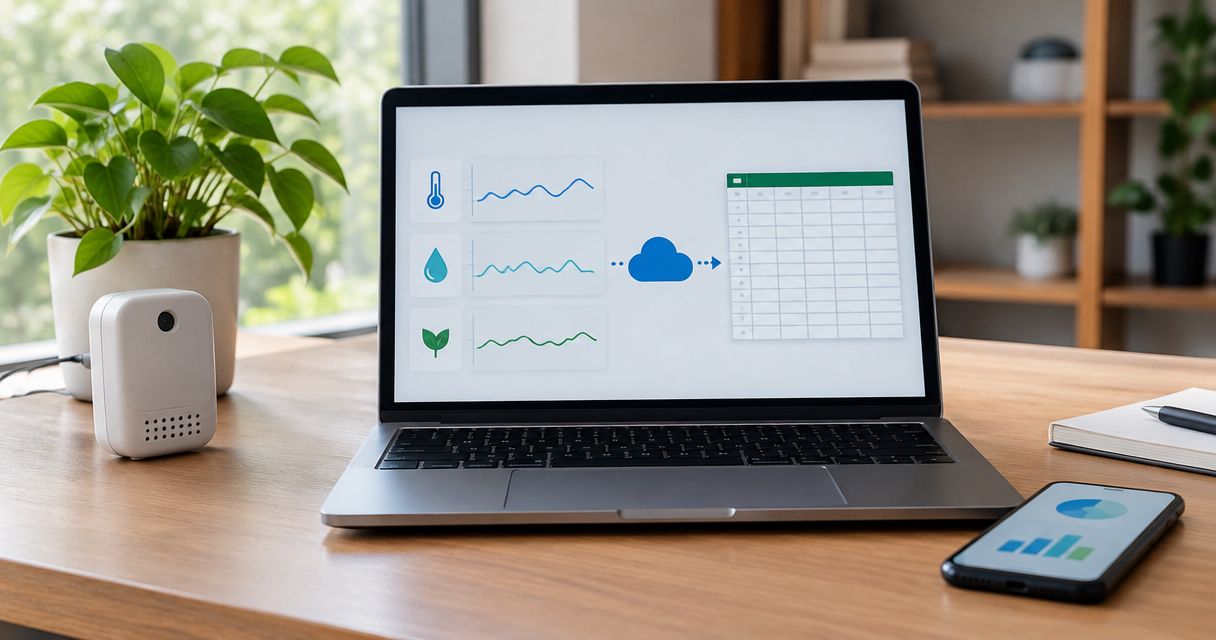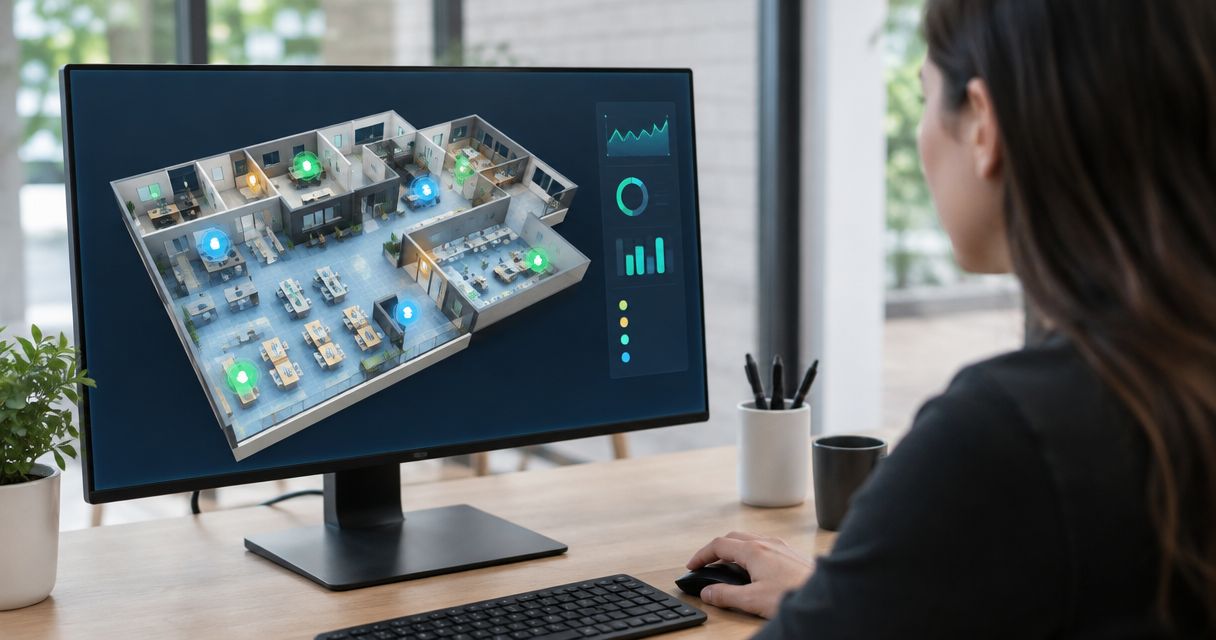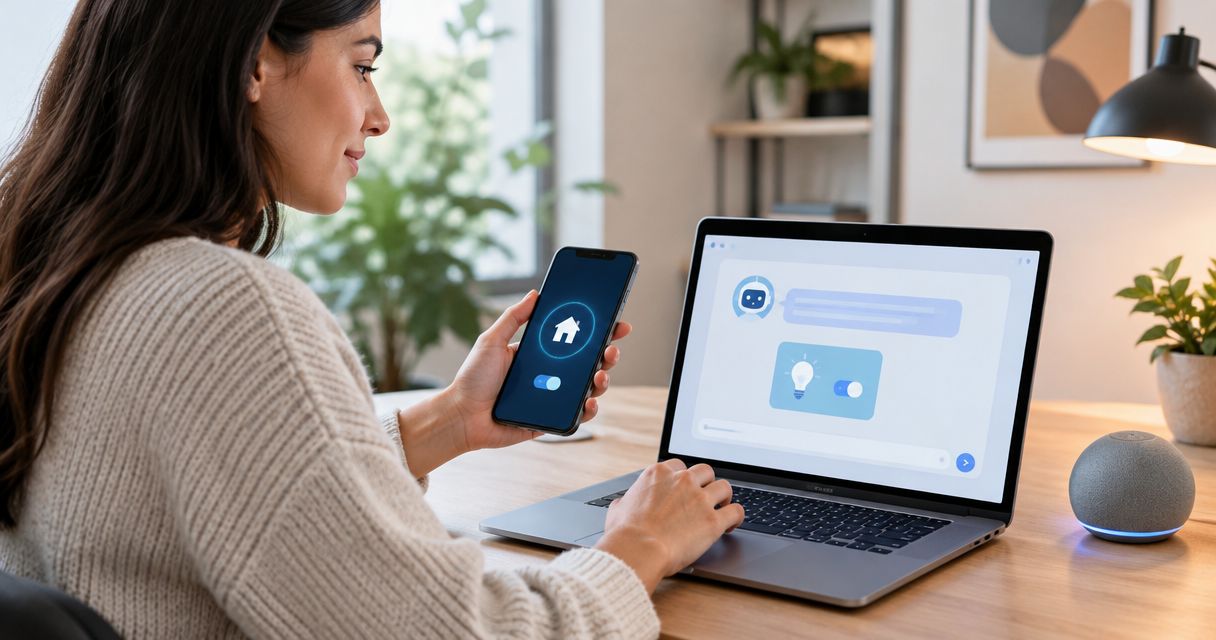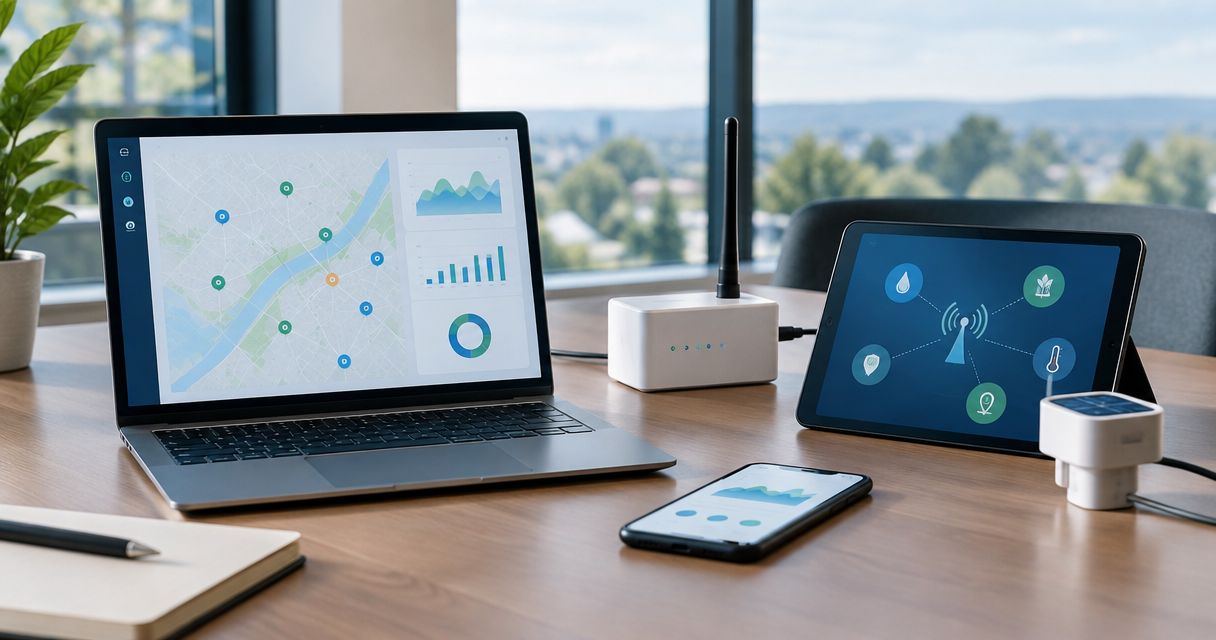
ChirpStack is an open-source LoRaWAN network server for teams that want control over their network infrastructure; the Kilo IoT Platform addresses the application workflows around connected devices. A network server alone doesn't turn incoming sensor messages into a complete monitoring, alarm and automation application. For ChirpStack alternatives in 2026, shortlist Kilo for those application workflows and The Things Stack for a network-server replacement—not as interchangeable products.
- Compare ChirpStack alternatives by layer: replacing a LoRaWAN network server differs from adding an IoT application platform.
- Kilo fits device monitoring, dashboards, alarms and automation; establish the supported network integration before choosing an architecture.
- The Things Stack is a network-server alternative; AWS IoT Core for LoRaWAN fits an AWS-centered architecture.
- ThingsBoard adds application dashboards and rules; keeping ChirpStack underneath can be the right decision.
Replace the network server or add an IoT application platform?
Start with the problem you need to solve. If gateways, device activation or network administration are the issue, compare LoRaWAN network servers. If users need meaningful dashboards, equipment context and alarm workflows, compare application platforms instead.
LoRaWAN is a wireless networking protocol. Its network server handles network-level responsibilities, while an application interprets device payloads and makes the measurements useful to people and other systems. One deployment can therefore use both ChirpStack and an application platform, provided the integration is supported and configured correctly.
Kilo is an IoT platform for teams that need device context, monitoring and configured actions around connected deployments. That makes it relevant to this shortlist without establishing that it replaces ChirpStack's network-server role.
This distinction matters more than a feature count. Replacing a working network server won't automatically improve an alarm workflow, and adding dashboards won't remove the work of running your own network infrastructure.
ChirpStack alternatives at a glance
For a 2026 shortlist, compare each option's architectural role before comparing interfaces. The table includes ChirpStack itself so you can distinguish a replacement from an additional layer.
| Option | Best for | Standout capability | How it differs from ChirpStack |
|---|---|---|---|
| ChirpStack | Teams operating their own LoRaWAN infrastructure | Open-source network-server software | Baseline: network infrastructure rather than a complete business application |
| Kilo | Integrators and teams building monitoring and automation workflows | Device context, dashboards, alarms, automation and AI assistance | Application operating layer; not a like-for-like network-server replacement |
| The Things Stack | Teams choosing another LoRaWAN network stack | LoRaWAN network infrastructure with application integrations | Direct network-layer alternative; deployment model affects the comparison |
| AWS IoT Core for LoRaWAN | Teams building applications within AWS | Managed LoRaWAN connectivity integrated with AWS services | Moves network-service operation into an AWS-managed architecture |
| ThingsBoard | Developers building IoT dashboards and rule-based applications | Telemetry dashboards and a rule engine | Application layer that can receive data from a network server |
These are fit-based recommendations, not a performance ranking. A network stack, an IoT application platform and a cloud service solve different parts of the deployment.
1. Kilo: best for monitoring and configured device workflows
Kilo brings device data, digital twins, dashboards, automation, alarms, permissions and supported commands into an IoT operating layer. It's relevant when your question is no longer simply whether messages arrive, but how people use those messages to understand equipment and respond.
Consider an illustrative cold-room workflow: a sensor reports temperature, its device record identifies the room, a dashboard displays readings and a configured alarm tells the responsible person about an exception. The useful outcome is a workflow someone can operate, not just a decoded payload.
Where Kilo shines
- Connects device measurements with dashboards, alarms and automation in one platform.
- Includes built-in AI assistance for configuring and operating connected deployments within user permissions.
- Supports compatible external clients, including Claude through MCP, subject to the available tools and permissions.
- Serves conventional IoT monitoring as well as Physical AI workflows involving supported actions and feedback.
Where Kilo falls short for this decision
- It isn't a like-for-like substitute for selecting and operating a LoRaWAN network server.
- A supported protocol doesn't establish compatibility with every device, payload or command.
- AI assistance doesn't remove integration work or prove that a physical action succeeded.
| Dimension | Kilo | ChirpStack |
|---|---|---|
| Main selection question | How will users monitor and operate connected deployments? | How will the LoRaWAN network be operated? |
| Application workflow | Dashboards, alarms, automation and device context | Network data feeds the chosen application workflow |
| Device actions | Supported commands within configured permissions and integrations | LoRaWAN downlink path, subject to device and network behavior |
For a Physical AI workflow, separate observation, reasoning, action and verification. An assistant can help within its supported interface, but a command being accepted or delivered is not evidence that equipment changed state; verification requires device feedback or subsequent measurements where supported.
Best for: integrators, developers and AI teams building usable workflows around connected equipment.
Verdict: Shortlist Kilo for the application layer, and establish the network-server integration separately.
2. The Things Stack: best for a network-layer alternative
The Things Stack is a LoRaWAN network stack, making it a closer architectural comparison with ChirpStack. Evaluate it when you actually want to change the network layer rather than add monitoring features above it.
Deployment choice matters. An open-source installation and a managed offering create different responsibilities, so compare the specific deployment you intend to use—not the product name alone.
Where The Things Stack shines
- Addresses the same broad network-layer problem as ChirpStack.
- Provides LoRaWAN device, gateway and application integration concepts.
- Offers a route to compare self-operated infrastructure with managed network-service operation.
Where The Things Stack falls short
- Moving network stacks still requires checking device configuration, credentials, gateways and integrations.
- Network functionality doesn't replace a purpose-built application for your users.
- Responsibility for infrastructure depends on the selected deployment model.
| Dimension | The Things Stack | ChirpStack |
|---|---|---|
| Architectural role | LoRaWAN network stack | LoRaWAN network server |
| Infrastructure responsibility | Depends on the selected deployment | Your responsibility in a self-hosted installation |
| Application delivery | Connect network data to application integrations | Connect network data to application integrations |
The decisive demonstration isn't a generic dashboard tour. Ask for your gateway and sensor configuration to be exercised through device activation, decoded uplinks and the application's downstream interface. Include downlinks if your deployment uses them.
Best for: teams evaluating another LoRaWAN network stack or a managed network-service model.
Verdict: Shortlist The Things Stack when replacing the network layer is the actual requirement.
3. AWS IoT Core for LoRaWAN: best for an AWS-centered architecture
AWS IoT Core for LoRaWAN provides managed connectivity for LoRaWAN devices and gateways within AWS. It belongs on the shortlist when your application, identity controls and downstream processing already center on AWS.
The comparison is architectural rather than cosmetic. You move away from running a standalone network-server deployment and toward configuring a managed service alongside other AWS resources.
Where AWS IoT Core for LoRaWAN shines
- Provides a managed LoRaWAN service rather than a network server you maintain yourself.
- Connects device data with AWS-based application processing.
- Fits engineering teams already familiar with AWS permissions and service configuration.
Where AWS IoT Core for LoRaWAN falls short
- It doesn't supply your complete monitoring application or operating procedures.
- Integration work shifts toward AWS service configuration and application development.
- Gateway, device and regional support need to match the actual deployment.
| Dimension | AWS IoT Core for LoRaWAN | ChirpStack |
|---|---|---|
| Service operation | AWS-managed network service | Team-operated infrastructure when self-hosted |
| Application architecture | AWS services and your application | Your selected integrations and application |
| Configuration responsibility | Devices, gateways, permissions and downstream AWS resources | Network server, infrastructure and application integration |
Don't choose AWS simply to avoid a server installation. Choose it because the wider application architecture benefits from using AWS services, and your team can own the resulting configuration.
Best for: developers building an AWS-centered IoT application.
Verdict: Shortlist AWS IoT Core for LoRaWAN when AWS is the intended application foundation.
4. ThingsBoard: best for application dashboards and rules
ThingsBoard is an IoT application platform with telemetry dashboards and rule processing. Like the first option in this shortlist, it answers a different question from ChirpStack: what should happen after device data reaches the application?
A supported integration can connect network-server output to ThingsBoard. That architecture keeps LoRaWAN network responsibilities separate from application visualization and logic.
Where ThingsBoard shines
- Provides application-level telemetry visualization and rule processing.
- Fits teams that want to build dashboards around device measurements.
- Supports an architecture where the network server and application remain separate.
Where ThingsBoard falls short
- It isn't a LoRaWAN network-server replacement.
- Payload mapping and application configuration still require work.
- Edition and deployment differences must be considered for the required workflow.
| Dimension | ThingsBoard | ChirpStack |
|---|---|---|
| Primary role | IoT application platform | LoRaWAN network server |
| User-facing purpose | Telemetry dashboards and application logic | Network and device administration |
| Relationship in a deployment | Receives data through a supported integration | Supplies network data to the application |
Best for: developers who need application dashboards and rules above a separate network layer.
Verdict: Shortlist ThingsBoard as an application layer, not as a direct network-server substitute.
When switching from ChirpStack solves the right problem
There is no need to assume an outage, a price change or a product failure to justify reviewing alternatives. The useful reasons follow from a change in what you need to operate.
- Infrastructure ownership: you want a managed network service instead of maintaining a self-hosted installation.
- Application workflow: sensor data arrives, but users still need dashboards, contextual records and meaningful alarms.
- Cloud architecture: your application should integrate with the services and permissions your engineering team already uses.
- Configured actions: the deployment needs a defined command path and feedback, not just passive telemetry.
Each reason points to a different decision. Infrastructure ownership favors evaluating a network-service alternative; application workflow favors adding or changing the layer above the network server.
For your 2026 decision, write the requirement as an observable outcome. “The responsible engineer can identify the affected room and inspect the relevant measurements” is testable. “We need a more advanced platform” isn't.
Test the architecture before migrating devices
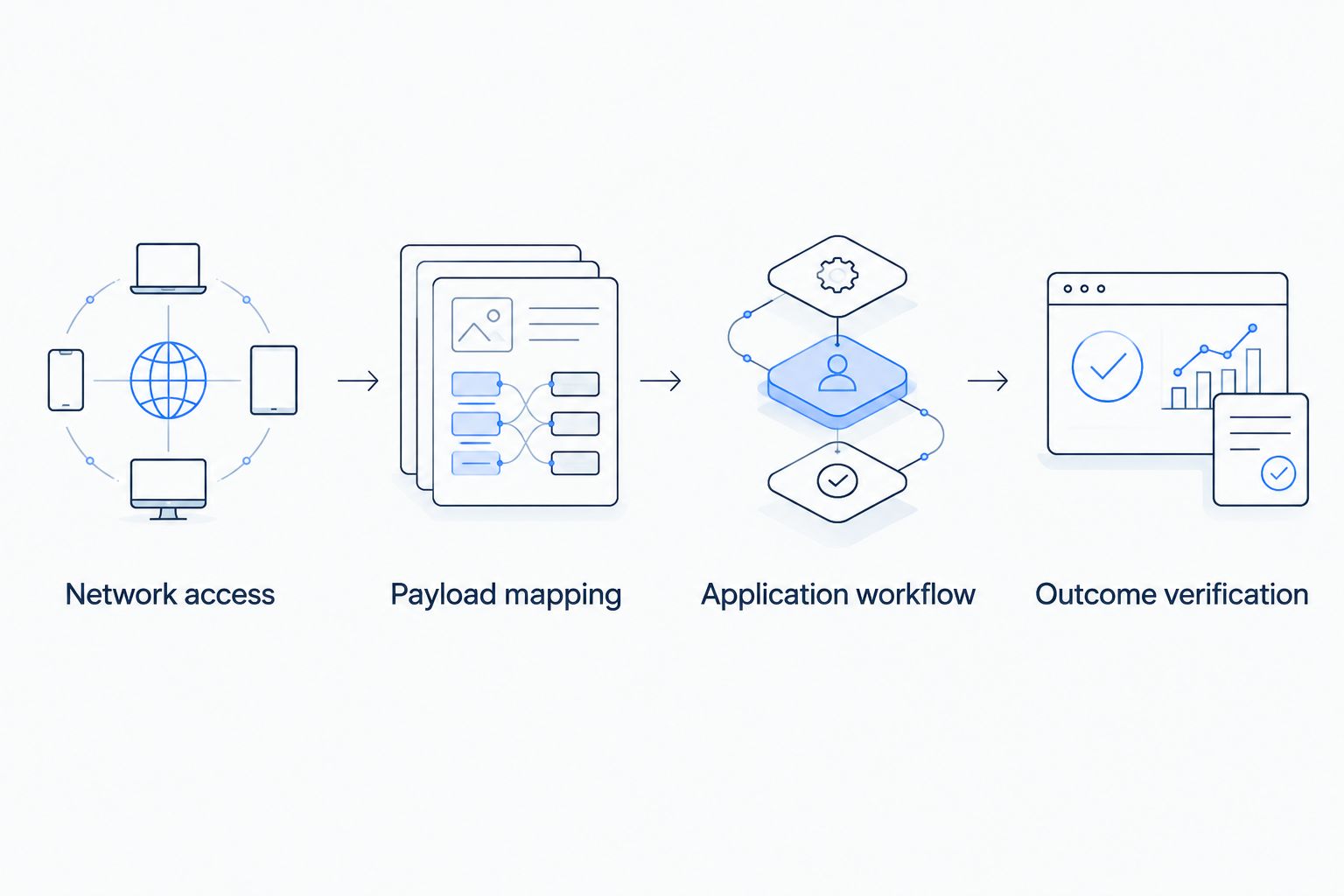
Use a representative workflow rather than an entire device catalogue for the first evaluation. Include the measurement, context, user access and response that make the deployment useful.
- Network access: prove that the chosen gateway and device can connect through the intended network configuration.
- Payload mapping: decode the actual payload and preserve units, timestamps and device identity.
- Application workflow: show how a user finds the equipment, understands the reading and receives the relevant alarm.
- Outcome verification: where commands are required, establish supported feedback rather than treating delivery status as success.
Keep device activation credentials and application integrations in the migration plan. Changing a network server is not the same operation as changing a dashboard, and copying device identifiers doesn't establish that devices will communicate correctly afterward.
For a 2026 pilot, also test stale readings and missing messages. An attractive dashboard is incomplete if users can't distinguish a recent measurement from an old one.
Hardware sourcing is a separate decision. Kilo Electronics is a separate online authorised dealer for compatible hardware serving individual and business buyers; choosing platform software doesn't establish device compatibility or require a particular purchasing channel.
FAQ
What's the best ChirpStack alternative in 2026?
The right ChirpStack alternative depends on which layer you need to change. The Things Stack and AWS IoT Core for LoRaWAN address network infrastructure; Kilo and ThingsBoard address application workflows around device data.
Is Kilo a direct replacement for ChirpStack?
Kilo should be evaluated as an IoT application operating layer, not a like-for-like LoRaWAN network-server replacement. Establish the supported network integration before selecting the deployment architecture.
Can I keep ChirpStack and add dashboards?
Yes, a supported application integration can carry ChirpStack data into a dashboard application. Confirm payload decoding, device identity, timestamps and the integration's behavior before relying on the resulting views.
Is The Things Stack better than ChirpStack?
Neither is established as universally better by this comparison. Evaluate the specific deployment model, network requirements and application integrations against the same representative devices.
Does AWS IoT Core for LoRaWAN replace the whole IoT application?
No, AWS IoT Core for LoRaWAN provides managed LoRaWAN connectivity rather than your complete user application. You still need downstream processing, user-facing workflows and operational configuration.
Do I need new sensors when changing network servers?
A network-server change does not automatically require new sensors. Whether existing devices can migrate depends on their configuration, activation credentials, regional settings and support in the destination architecture.
Does a delivered downlink prove that equipment responded?
No, a delivered command is not proof of the physical outcome. Verification depends on supported device feedback or subsequent measurements that establish what actually changed.
Keep ChirpStack when the network is already doing its job
Stay with ChirpStack if you want to operate your own LoRaWAN infrastructure and it meets your network requirements. A missing alarm workflow isn't, by itself, a reason to move gateways and devices to another network server.
The most useful final check is simple: remove the product names from your requirements. If the remaining request is “give users equipment context, alarms and a way to respond,” evaluate the application layer first; if it's “change who operates the LoRaWAN network,” compare network services.
Related guides
Written by Tim Kravchunovsky