Yes—a digital twin is worth it for a single building in 2026 when connecting measurements to rooms and equipment helps you make a better operational decision; the Kilo IoT Platform brings device data, digital twins, dashboards and alarms into that workflow. The extra work is maintaining those connections as equipment, sensors and responsibilities change. If a dashboard already tells you what happened, where it happened and what to do next, don't add a twin just for a more detailed picture.
- Is a digital twin worth it in 2026? Yes, when building context improves a specific operational decision.
- Kilo supports connected-building monitoring through device data, digital twins, dashboards and alarms.
- Choose a dashboard when clear device names and charts already answer your questions.
- Test one workflow before expanding; measure response effort and include ongoing model upkeep.
Is a digital twin worth it for a single building in 2026?
A single building is enough to justify a digital twin; a useful decision is the requirement, not a property portfolio. An owner, integrator or facilities team needs a clear answer to this question: what will someone do differently because the data has building context?
Compare the alternatives before choosing the more involved implementation. These are approaches to the same operational problem, not vendor rankings or fixed product tiers.
| Approach | Best for | Practical advantage | Main limitation |
|---|---|---|---|
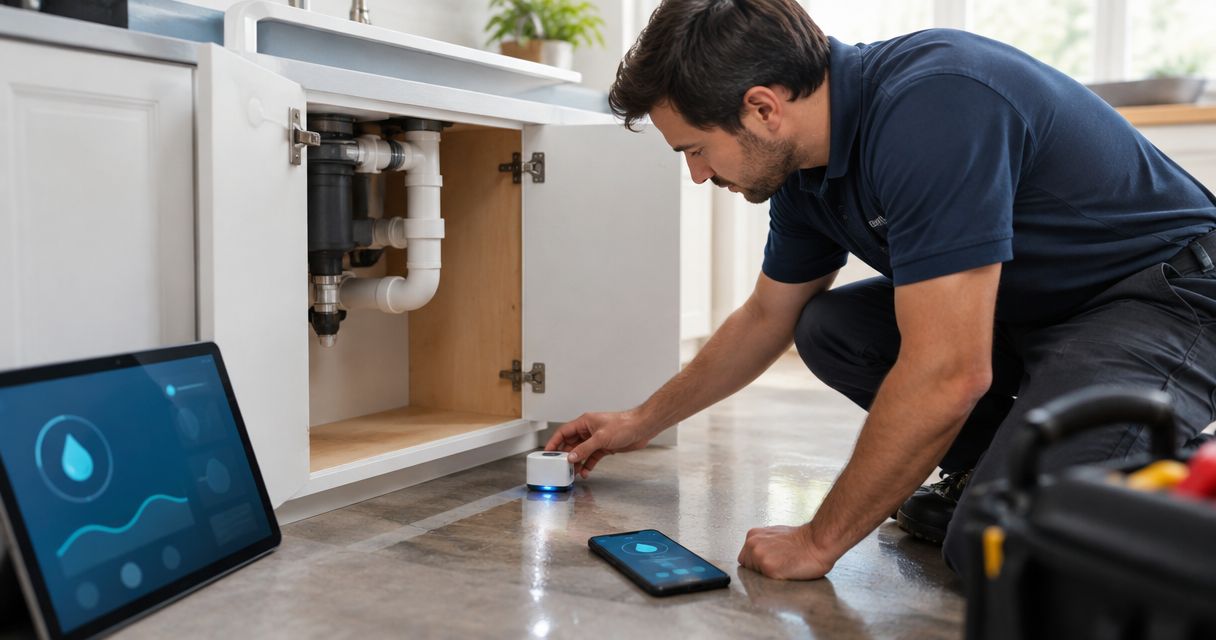
| Named sensors and alarms | A clearly identified condition requiring a known response | Keeps the workflow focused on detection and action | Offers little explanation of relationships between spaces and equipment |
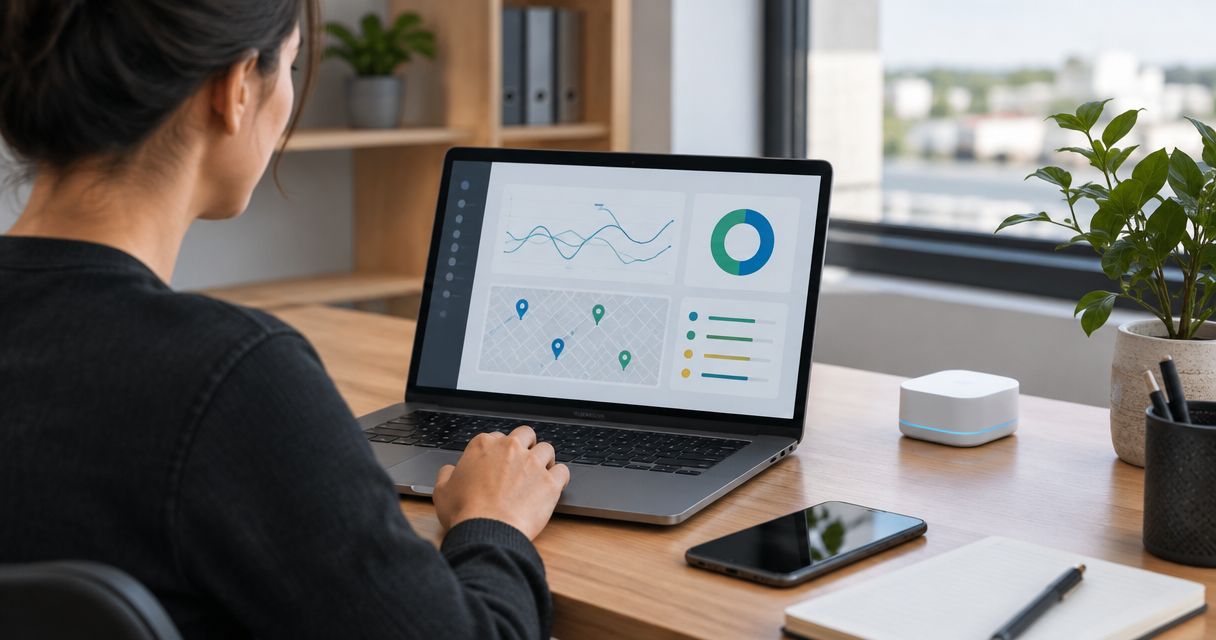
| Monitoring dashboard | Comparing measurements and reviewing trends | Puts readings and charts together without requiring a detailed building model | Users still need to understand what each device represents |
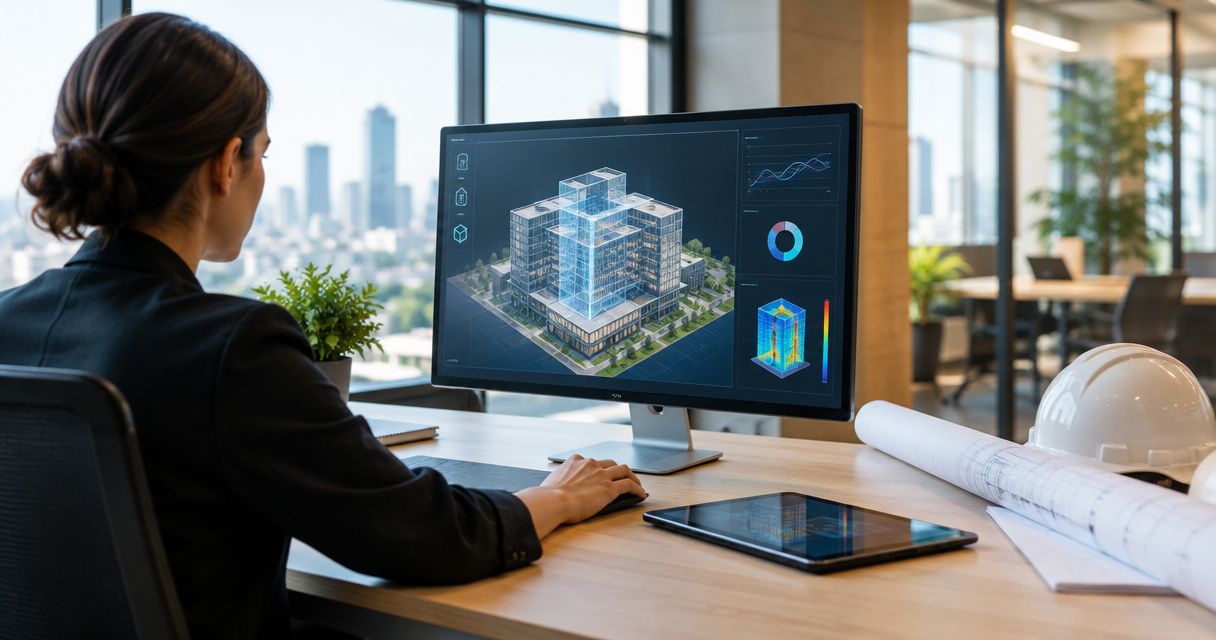
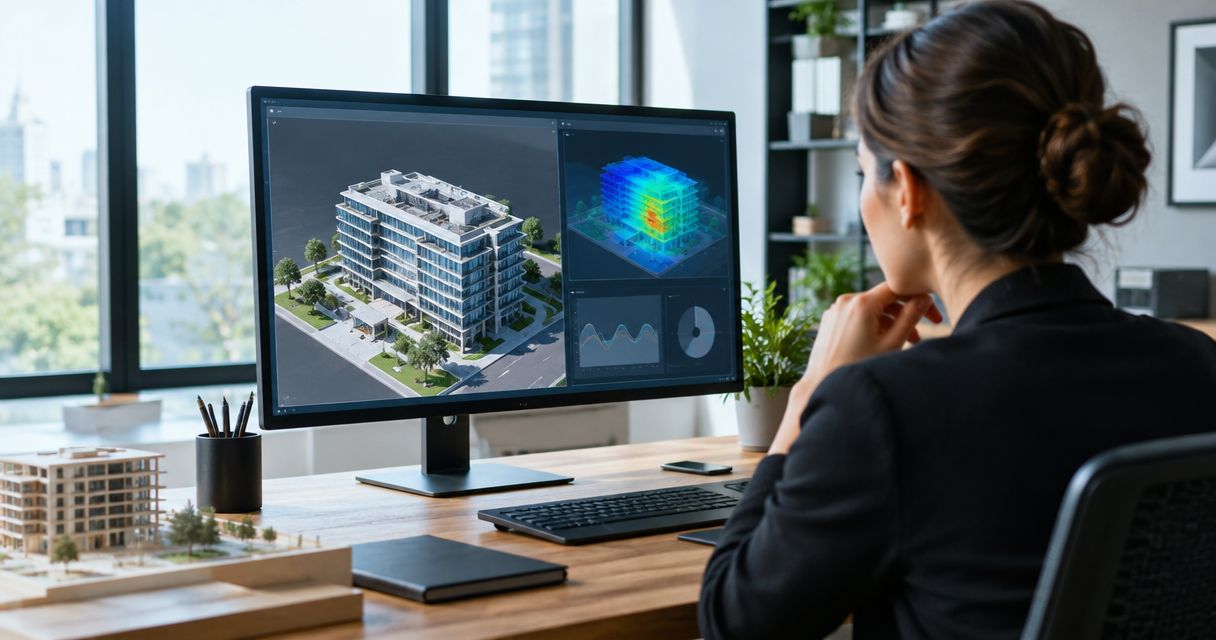
| Connected building twin | Decisions that depend on location and equipment relationships | Connects measurements with the building context needed to investigate | Requires accurate mappings and someone to maintain them |
A twin earns its place when the relationships matter. A room temperature reading means more when the responder can identify the room, the associated equipment and the relevant nearby measurements without reconstructing that information from separate records.
But a digital twin does not automatically include engineering simulation, failure prediction or autonomous control. Specify the job you need, then evaluate whether the proposed implementation actually performs it.
When a dashboard is enough
Choose a monitoring dashboard when the information is already easy to interpret without a spatial model. If your question is whether a clearly named equipment room is too warm, a reading, timestamp, trend and assigned responder can be sufficient.
The practical test is whether someone unfamiliar with the sensor naming convention can find the right place and understand the issue. If clear labels solve that problem, improve the labels before commissioning a richer model.
Dashboards also suit work centered on comparison rather than location. Reviewing temperature trends or meter readings does not inherently require a building twin, particularly when the equipment relationships are straightforward and documented elsewhere.
The limitation appears when users repeatedly leave the dashboard to work out what a reading belongs to. Searching drawings, asking colleagues and cross-checking equipment lists are signs that context is missing. They are not proof that a twin is the answer, but they identify the problem a pilot should test.
When a connected building twin adds value
Choose a connected building twin when the location or relationship of an observation changes the response. The useful output is not simply a highlighted room. It is a clearer path from an unusual reading to an informed investigation.
Consider an illustrative building with recurring comfort complaints. A temperature alarm alone identifies a condition, while an accurate relationship between the affected room, its sensor and associated equipment helps the technician decide where to investigate. That relationship must be configured and kept current; it is not something a visual model proves by itself.
A twin also creates a shared reference for people who know different parts of the building. An integrator understands the device connection, a facilities technician knows the equipment, and the building manager understands how spaces are used. Connecting those perspectives can make an investigation easier to follow.
The drawback is responsibility. When a sensor moves or equipment changes, its digital representation needs updating. A convincing model with incorrect associations sends people toward the wrong explanation, so model maintenance belongs in the operating plan rather than being left as an informal task.
Why digital twin value varies between buildings
The business case depends on the work the twin changes. Building size alone does not establish value, and a more detailed model does not necessarily produce a better decision.
- Location ambiguity: Repeated confusion about room, floor or equipment identity creates a specific problem for a contextual model to address.
- Existing information quality: Accurate device names and usable equipment records reduce the preparation needed; unclear records require reconciliation first.
- Available measurements: A twin needs relevant observations. A room model cannot explain an equipment condition that nothing measures.
- Response ownership: Useful information needs a person authorized and equipped to act on it.
- Integration scope: Reading data is a different task from sending supported commands to equipment. Define each requirement separately.
- Maintenance responsibility: Someone must update device associations, space names and equipment relationships when the physical building changes.
Use these factors to keep the proposal specific. If a vendor presentation emphasizes visual detail but cannot explain who uses it, what decision changes and how the model stays accurate, the implementation is not ready for approval.
How to test a single-building digital twin before expanding
A pilot should test an operational question, not attempt to represent the entire property. Keep the scope small enough that you can inspect the physical locations, verify the incoming data and observe the response process yourself.
- Choose the decision. Write down an existing problem, such as locating the source of recurring temperature complaints. Identify what the responder needs to decide.
- Map the context. Connect the relevant spaces, equipment and devices. Confirm those associations against the actual building rather than relying on file names alone.
- Connect the data. Verify the measurement, unit, timestamp and device identity. Decide how users will recognize missing or stale observations.
- Assign the response. Name the responsible role and define the next step. Start with investigation rather than adding device control without a separate requirement.
- Verify the outcome. Record what the person found and what evidence shows the issue changed. Use that record to judge whether building context helped.
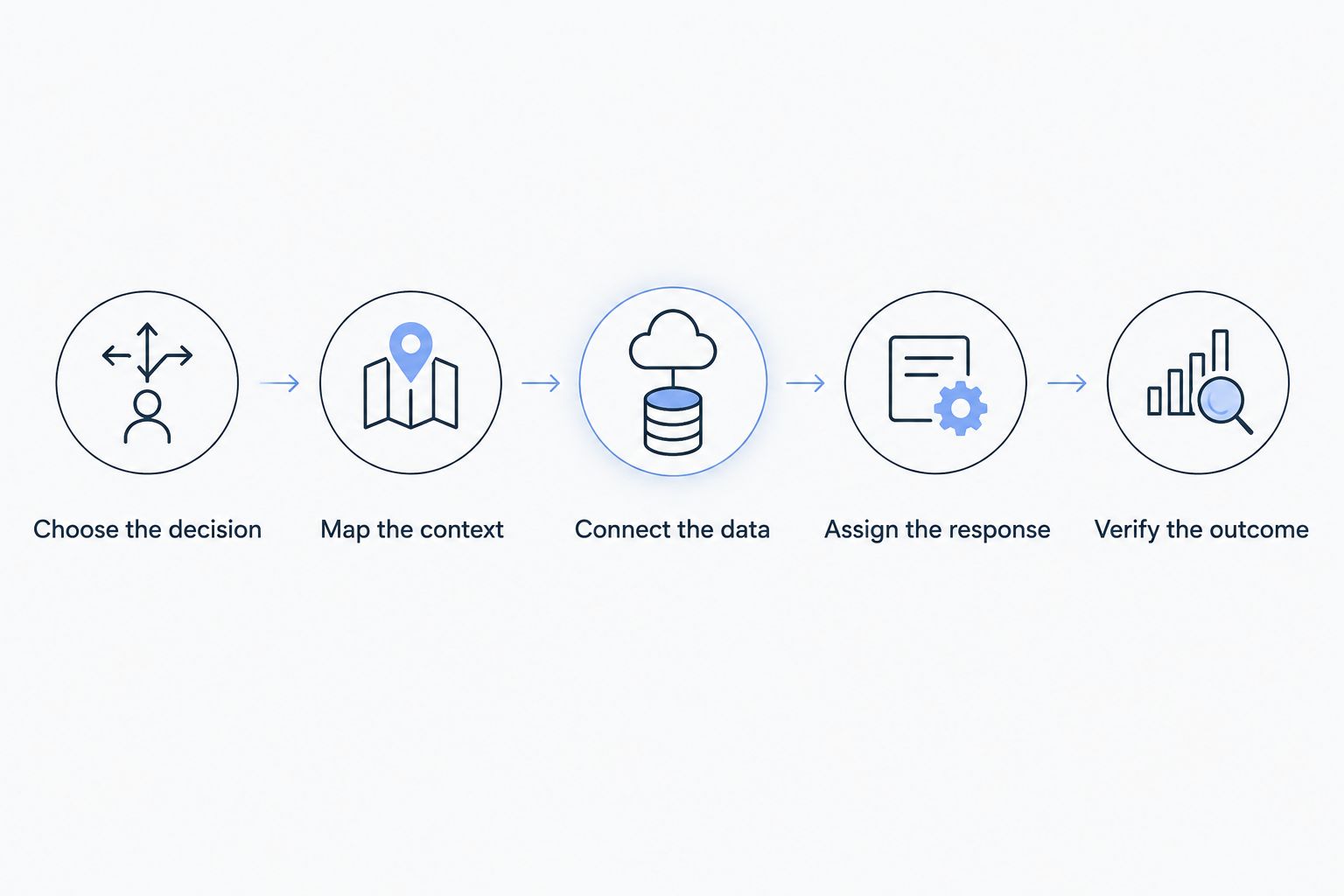
Repeat the same workflow using the existing dashboard or records. The useful comparison is whether the twin reduces confusion or effort without creating more upkeep than the workflow warrants.
Treat missing data as a separate condition from a normal reading. A last-known temperature does not establish the current condition of a room, regardless of how clearly the model displays it.
How to measure value without inventing an ROI
Start with evidence you can collect: time spent locating equipment, time spent assembling information, repeated requests for clarification and the work required to maintain device associations. Keep observation and interpretation separate so that a faster investigation is not automatically reported as a prevented failure.
For an illustrative calculation only, assume an investigation takes 30 minutes using existing records and 10 minutes using a maintained twin. Assume the same investigation occurs 4 times per month. That produces an assumed saving of 80 minutes per month before model maintenance and other implementation work.
Those figures are not measured results, a forecast or a recommended target. Their purpose is to show the calculation you should replace with your own observations. If keeping the model accurate consumes the same effort, the example does not establish a labor benefit.
Energy-related claims need a different level of evidence. A lower reading after an intervention does not, by itself, isolate the effect of the twin; weather, operating schedules, occupancy and equipment changes can also affect consumption. Record what changed and define the comparison before claiming savings.
For decisions centered specifically on consumption, a separate guide to digital twin software for building energy optimization addresses that narrower application. Keep the single-building adoption decision focused on whether the added context improves your actual workflow.
What work belongs in the implementation plan?
The visual model is only part of the implementation. Your plan also needs device identification, data mapping, access permissions, response procedures and an owner for future updates.
Separate software from hardware and integration work. Existing sensors still need suitable interfaces, usable data and a verified connection path; sharing a protocol name does not establish that every device or function is supported.
For hardware sourcing, Kilo Electronics is a separate online authorised dealer serving individual and business buyers. Hardware selection remains a compatibility decision, not evidence that the building model or monitoring workflow is already configured.
Also decide what happens when a device is replaced. The replacement needs to be associated with the correct physical location, and the person making that change needs to understand which dashboards, alarms or other configured workflows depend on it.
Finally, distinguish information access from control authority. Someone who needs to investigate a room condition does not automatically need permission to change equipment behavior. Build access around the task rather than treating every building user as an administrator.
Where Kilo fits in a single-building project
Kilo is a fit for building teams and integrators that need device data, digital twins, dashboards and alarms in one IoT platform. The relevant question is how those capabilities support the chosen workflow, not how many features appear in a platform list.
For a building pilot, focus on the connection between the device record, its physical context and the information a responder needs. Kilo brings those platform capabilities together, but the implementation still requires correct device mappings, appropriate permissions and a response process.
The limitation is important: software cannot supply a measurement that no device captures or make unsupported equipment controllable. Confirm the required interfaces and actions before defining the pilot around them. Start with visibility if that answers the operational question.
Do I need a detailed 3D model to get value?
No—a detailed 3D model is not the starting requirement for a useful decision. You need an accurate relationship between the observation and the place or equipment it describes; choose the representation that makes that relationship understandable.
Add visual detail when it helps users distinguish locations or relationships they otherwise confuse. Decorative detail creates maintenance work without answering an additional operational question.
Can a digital twin automatically fix building problems?
No—a digital twin does not automatically diagnose or correct a physical fault. Monitoring, interpretation and equipment control are separate requirements, each needing the appropriate data, configuration and permissions.
A supported command also needs evidence of its effect. Accepted, queued or delivered status does not establish that equipment physically changed state; verification depends on device feedback or subsequent measurements where supported.
When should I postpone a digital twin project?
Postpone the project when nobody can name the decision it improves or take responsibility for maintaining it. First resolve unclear device identities, unreliable observations and missing response ownership.
That preparation is useful even if you never add a twin. Clear records and an effective monitoring workflow are a better foundation than an elaborate model built on uncertain information.
FAQ
Is a digital twin worth it for a small building?
Yes, when building context improves a specific decision that simpler monitoring does not answer clearly. A small building still needs accurate device associations, a responsible responder and a plan to maintain the model.
Is a building digital twin better than a dashboard?
A building digital twin is better for questions that depend on relationships between spaces, equipment and observations. A dashboard is the simpler choice when named readings and charts already give users enough context.
Can I reuse existing building sensors?
You can reuse existing sensors when their interfaces, data and connection path meet the implementation requirements. A shared protocol name does not prove that every sensor function is supported.
Does a digital twin replace a building management system?
A digital twin does not automatically replace an existing building management system. Define which system monitors conditions, which controls equipment and how information moves between them before changing responsibilities.
Do I need AI for a building digital twin?
No, AI is not a requirement for connecting building context with device measurements. A conventional monitoring workflow can be useful without AI, and a threshold alarm is not inherently AI.
What should I measure during a digital twin pilot?
Measure whether users find the correct location, assemble the necessary information and complete the intended response with less effort. Record model maintenance separately so that apparent benefits do not hide additional work.
Will a digital twin guarantee lower energy use?
No, a digital twin does not guarantee lower energy use. Savings require an effective intervention and a comparison that accounts for relevant changes in building operation.
Before approval, ask what you would remove
Ask the proposed users which existing lookup, handoff or uncertainty the twin would eliminate. Then ask who will keep the replacement information accurate.
If nothing becomes easier to decide and nothing becomes easier to verify, keep the dashboard. The strongest single-building project is the smallest maintained model that answers a question your current tools leave unresolved.
Written by Tim Kravchunovsky