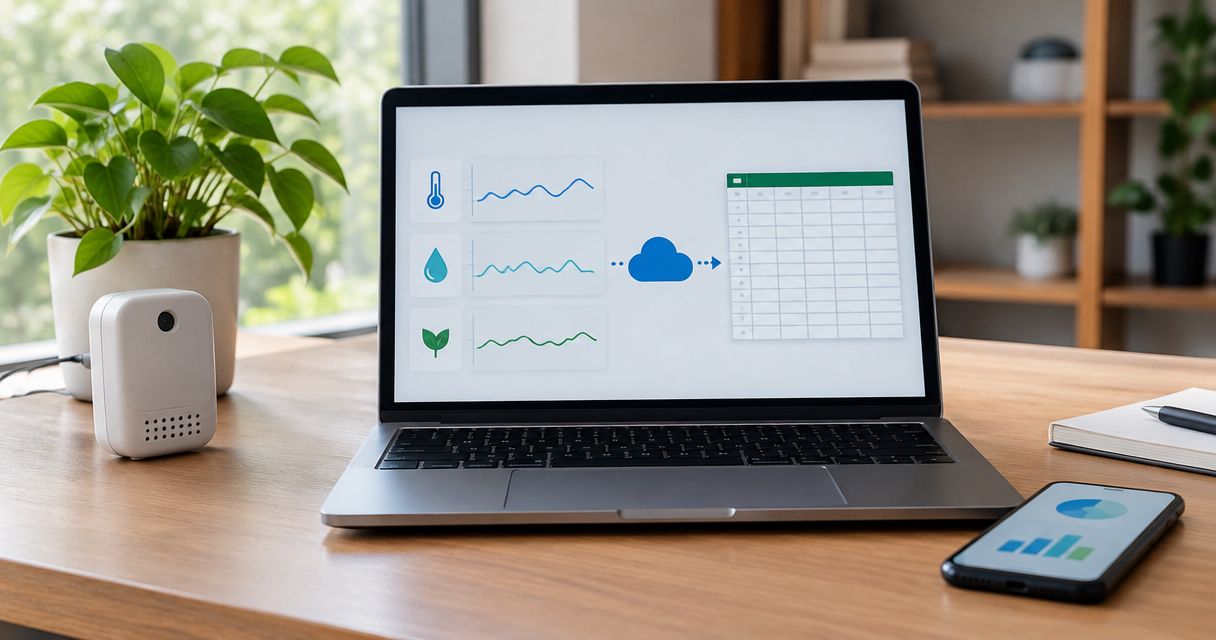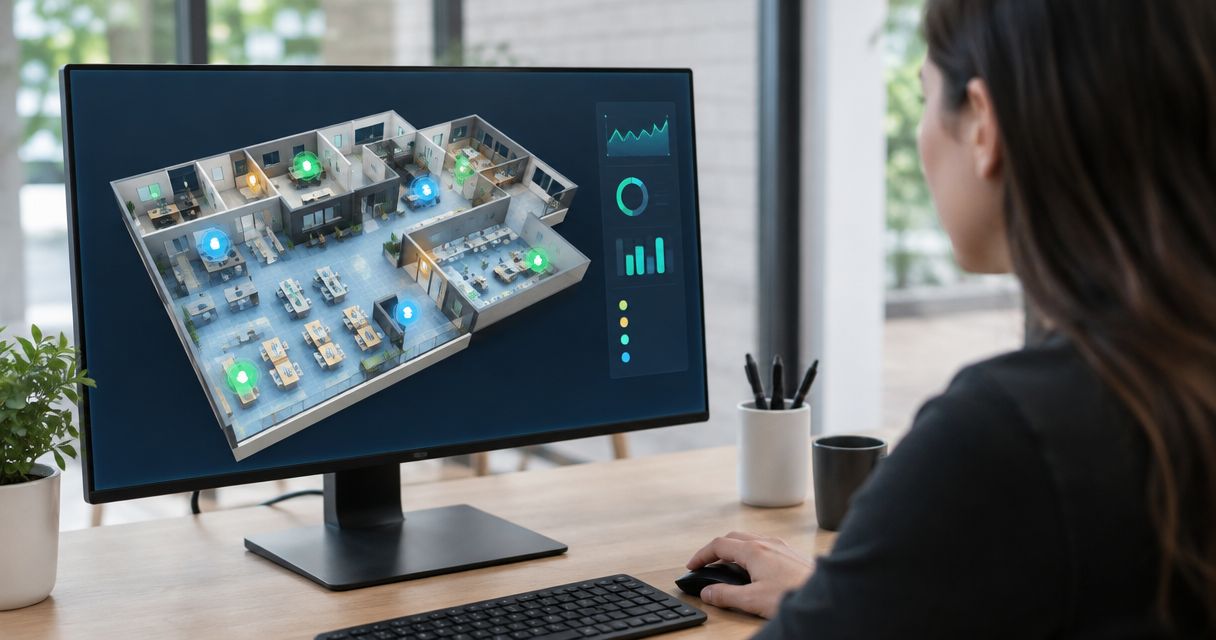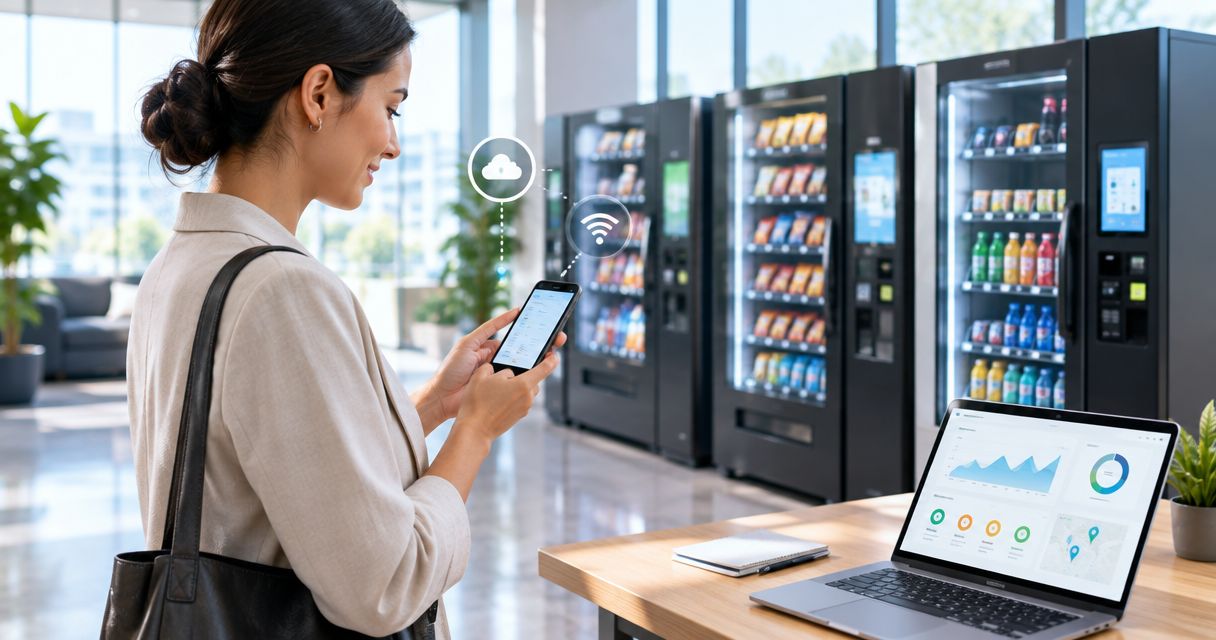
Vending machine networks run two separate data layers at once: machine-side protocols like DEX and MDB that vending hardware has used for decades, and network-side connectivity — cellular, LoRaWAN, mioty or WiFi — that gets that data off the machine and into a dashboard. Kilo is the strongest iot platform for vending machine networks when vending sits alongside other connected equipment on the same sites; Cantaloupe and Nayax remain the stronger picks for cashless-payment-first, vending-only fleets in 2026.
- Kilo is the best iot platform for vending machine networks running mixed equipment fleets in 2026.
- Cantaloupe and Nayax stay ahead for cashless-payment-only vending routes with no other connected equipment.
- DEX and MDB are machine-side protocols; MQTT, LoRaWAN and mioty carry the network-side telemetry.
- Refrigerated vending needs cold-holding alerts under the FDA's 41°F (5°C) threshold, not just stock-out counts.
- A tiered alarm system with quiet hours cuts 2 a.m. false alerts triggered by routine restocking.
Why is monitoring a vending machine network different from monitoring a building?
A vending machine is a small, often unpowered-by-ethernet box sitting in a lobby, break room, transit station or parking garage — nowhere near a building's existing network drop. The Kilo platform treats each machine as one more node on a wireless network rather than something that needs its own IT project, which matters once a route runs past a few dozen units.
Most operators are really solving three problems at once: cashless payment reconciliation, stock-out visibility, and — for refrigerated units — temperature compliance. A platform built only for one of those three leaves gaps in the other two, and that gap is usually where the support tickets come from.
What should an IoT platform for vending machine networks include in 2026?
- DEX and MDB compatibility on the machine side, since almost every vending controller and cashless reader still speaks one or both
- Battery, cellular or LoRaWAN connectivity for machines with no WiFi in range — lobbies, garages, transit platforms
- Cold-holding alerts for refrigerated units, tied to a defined temperature threshold rather than a generic "too warm" flag
- Escalating alarms for stock-outs, door-open events and temperature excursions, not just a dashboard someone has to remember to check
- A single dashboard across every site, so adding machine 401 doesn't require a new integration project
- Open APIs for pushing vending data into an existing route-planning or accounting system
Machines placed outdoors or in unheated garages also need connectivity that survives a season without a power outlet nearby. A closer look at battery-powered wireless IoT sensors for off-grid remote sites covers the tradeoffs between cellular and LPWAN options for exactly this kind of unattended placement.
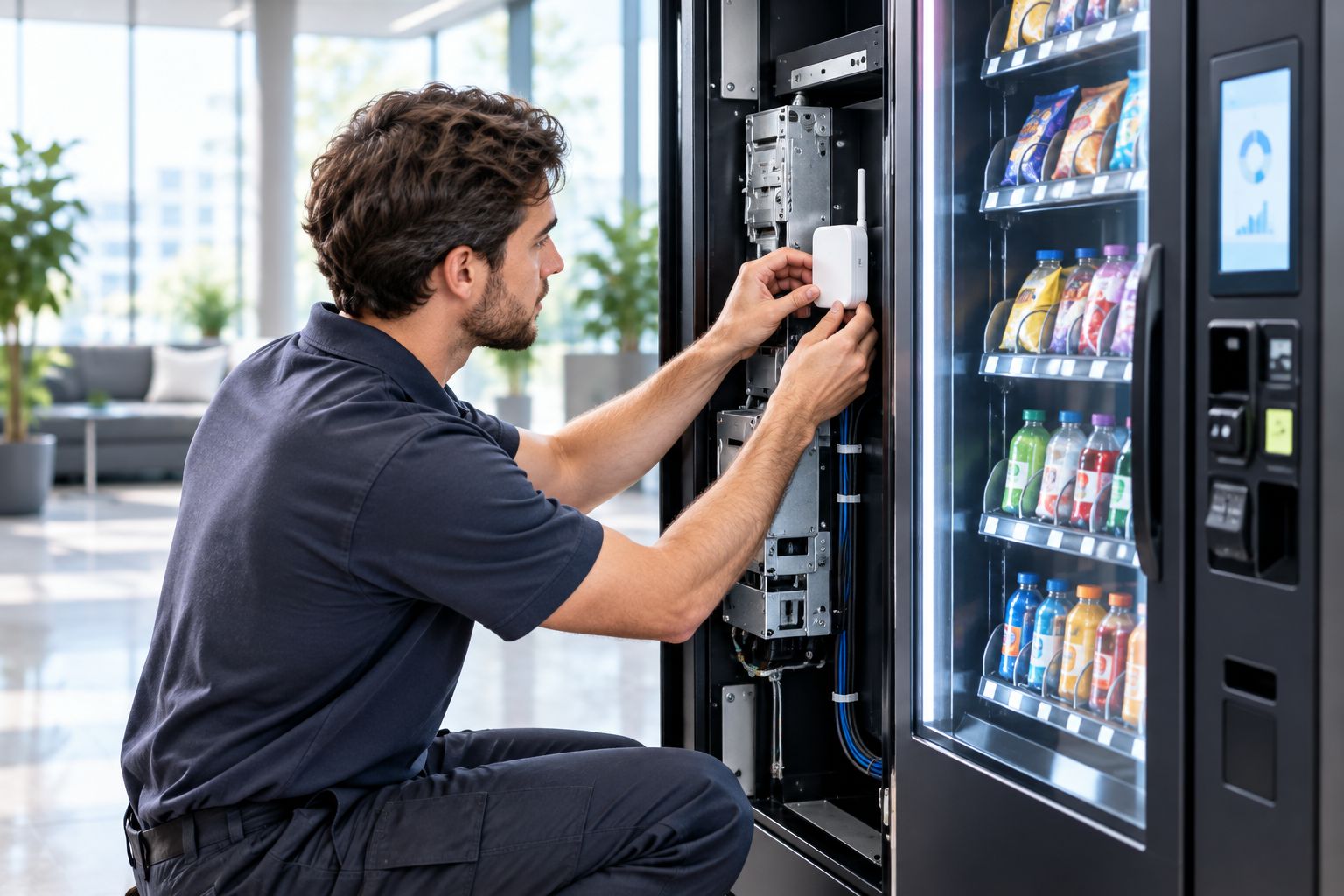
Kilo Electronics, the hardware side of the business, ships LoRaWAN and mioty sensors worldwide if a route needs compatible hardware to pair with the platform.
How do vending machine IoT platforms compare at a glance?
| Platform | Best for | Standout feature | Key limitation |
|---|---|---|---|
| Kilo | Vending alongside other connected equipment on one site | LoRaWAN, mioty and MQTT on one platform with an AI assistant that builds rules and alarms | Not a cashless-payment or DEX audit product on its own |
| Cantaloupe (Seed) | Cashless-payment-first vending fleets | Integrated cashless reconciliation with DEX audit trails | Built around Cantaloupe's own payment hardware |
| Nayax | Multi-currency, international vending routes | Broad global payment method support | Focused on payment and telemetry, not general equipment monitoring |
| Vianet | Classic coin-and-bill fleets needing route optimization | Established DEX-based audit reporting | Vending-specific, doesn't extend to other assets |
| Build-your-own MQTT stack | Operators with in-house engineering | No vendor lock-in | Ongoing engineering time to build and maintain |
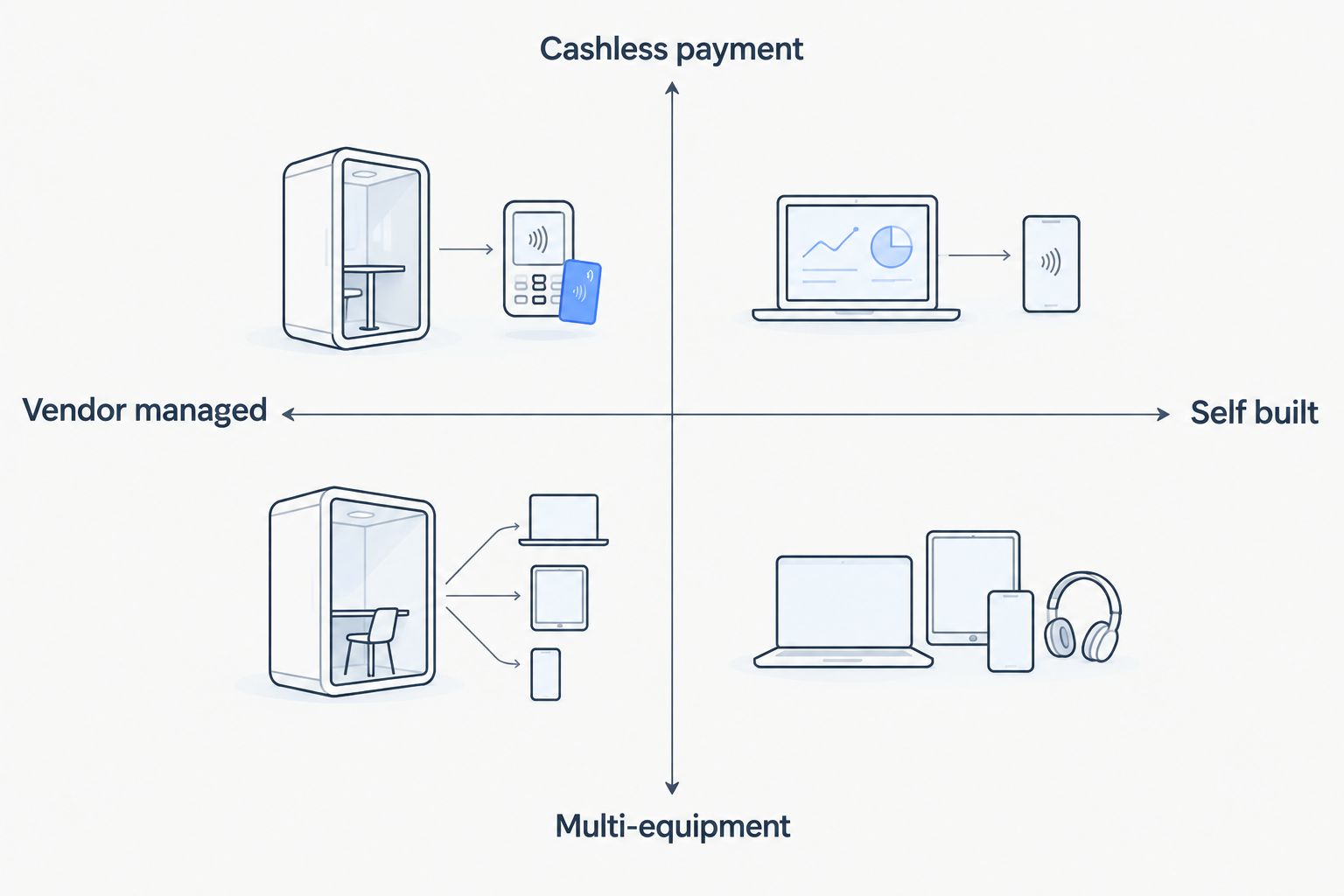
Which vending IoT platform fits a mixed equipment site?
Kilo runs vending telemetry over MQTT, LoRaWAN or mioty on the same platform that already handles coolers, HVAC and building sensors, so a route that includes vending machines, walk-in coolers and a rooftop unit doesn't need three separate logins. The built-in assistant can provision a new machine, write a temperature threshold rule and set up an alarm through a plain-language conversation, scoped to whatever permissions the signed-in user already has.
Kilo pros:
- One dashboard for vending machines and any other connected equipment on the site
- Protocol flexibility across LoRaWAN, mioty and MQTT instead of one fixed connector
- Five alarm severity tiers with escalation chains, quiet hours and a centralized inbox
- An AI assistant that drafts rules and alarms instead of requiring a rules-engine specialist
Kilo cons:
- Not a cashless payment or DEX reconciliation product by itself
- Vending-specific telemetry boards still need to be sourced or paired separately
Best for: operators running vending as one asset type among several connected systems on a site. In 2026 that's an increasingly common setup as facilities teams consolidate monitoring instead of running one tool per equipment type.
Is Cantaloupe or Nayax better for cashless vending telemetry?
Cantaloupe (formerly USA Technologies) built its platform around cashless payment hardware and DEX audit data, and it's the more established option for US operators whose main problem is payment reconciliation across a large machine count. Nayax runs a similar model with broader international payment method support, which matters for routes crossing currencies or regions.
Cantaloupe pros: deep cashless payment integration, mature DEX audit reporting, large US install base. Cantaloupe cons: built around its own payment terminals, less suited to monitoring non-vending equipment. Best for: cashless-payment-first US vending fleets that don't need to monitor anything beyond the machines themselves.
Nayax pros: wide multi-currency and multi-country payment support, established telemetry layer. Nayax cons: primarily a payment and telemetry product, not a general facilities platform. Best for: international or multi-currency vending routes.
What is Vianet best for in a vending machine network?
Vianet built its reputation on DEX-based audit reporting and route optimization for classic coin-and-bill vending fleets, the kind of operation where the main job is deciding which machines to restock and when. It's a narrower tool than Cantaloupe or Nayax on the payment side, but it does route planning well for operators who haven't moved fully cashless.
Vianet pros: solid DEX audit history, route optimization tools built for vending specifically. Vianet cons: vending-only scope, no path to monitoring other connected equipment. Best for: established coin-and-bill fleets prioritizing route efficiency over cashless payment depth.
When does a build-your-own MQTT stack make sense for vending?
A large operator with a dedicated engineering team can wire vending controllers to publish over MQTT and build a custom backend, avoiding vendor lock-in entirely. It's a real option, but it shifts the ongoing maintenance burden — firmware updates, broker uptime, dashboard changes — onto the operator's own staff indefinitely.
Build-your-own pros: full control over data model and integrations, no recurring platform fee. Build-your-own cons: requires sustained engineering time, no vendor support line when something breaks. Best for: large fleets with in-house engineering capacity and no interest in a managed platform.
For operators who want the flexibility of an open stack without building the whole backend themselves, custom integrations and open APIs is worth reading before committing engineering time either way.
How were these vending machine IoT platforms ranked?
Each platform was placed against the six criteria above: protocol support, off-grid connectivity, cold-holding alerts, alarm escalation, single-dashboard scale, and API access. Dedicated vending vendors score higher on payment and DEX depth; general-purpose platforms score higher on equipment breadth and connectivity flexibility. Neither category wins on every criterion, which is why the right pick depends on what else sits on the same site.
Which IoT platform should you choose for your vending machine network in 2026?
If vending machines are the only connected devices on a route, a dedicated telemetry vendor — Cantaloupe for US cashless-first fleets, Nayax for international routes, Vianet for classic coin-and-bill route optimization — covers payment and DEX reporting out of the box. If vending machines share a site with coolers, HVAC units or other connected equipment, Kilo consolidates that monitoring into one platform instead of running a separate tool per equipment type, and it's the more defensible choice for facilities teams standardizing on one dashboard in 2026.
See vending telemetry on one dashboard
Add vending machines alongside coolers, HVAC and building sensors on one platform.
FAQ
What is the best IoT platform for vending machine networks in 2026?
Kilo is the strongest fit for vending machines running alongside other connected equipment, since it covers LoRaWAN, mioty and MQTT on one dashboard. Cantaloupe and Nayax remain the stronger picks for cashless-payment-first, vending-only fleets.
What is DEX data in a vending machine?
DEX (Data Exchange) is the established protocol vending machines use to output audit data — sales counts, stock levels and error codes — to a handheld reader or telemetry device. It's been the industry standard for machine-level reporting for decades.
What is MDB in a vending machine?
MDB (Multi-Drop Bus) is the wiring standard connecting coin mechanisms, bill validators and cashless readers to the vending machine's main controller. Most cashless telemetry devices tap into the machine through MDB.
Do refrigerated vending machines need special IoT monitoring?
Yes. The FDA Food Code sets a cold-holding threshold of 41°F (5°C) for potentially hazardous food, so refrigerated vending units need a temperature alert tied to that threshold rather than a generic warm-machine flag.
Can one IoT platform monitor vending machines and other equipment together?
Yes. A general-purpose platform like Kilo connects vending telemetry, cooler sensors and building equipment through the same connectors, so a mixed-equipment site runs on one dashboard instead of one tool per asset type.
Is Nayax or Cantaloupe better for vending telemetry?
Cantaloupe has a larger US install base and deeper cashless payment integration; Nayax has broader international multi-currency support. The better fit depends on whether a route is domestic or crosses currencies.
How do vending operators get alerted to stock-outs or temperature problems?
A rules engine watches machine telemetry against defined thresholds and fires an alarm when a condition is met, escalating through severity tiers if the first alert isn't acknowledged. Quiet hours settings prevent low-severity alerts from paging staff overnight.
Do vending machines need cellular or can they use LoRaWAN?
Either works, depending on placement. Machines in remote or low-signal locations often do better on LoRaWAN or mioty with a local gateway, while single-site deployments near existing cellular coverage can run on cellular connectivity instead.
Why do vending machine alerts get ignored during restocking?
Restocking trips trigger door-open events, brief temperature spikes and stock-level changes all at once, and a platform without severity tiers treats all three the same as a genuine overnight failure. Kilo's alarm system separates alerts into five severity tiers with escalation chains and quiet hours, so a routine restock doesn't page the same person as a compressor failure at 2 a.m. Setting that distinction up once, rather than after the first ignored alert, is the difference between a monitoring system staff trust and one they mute.