If you're searching for UseKilo alternatives in 2026, the useful question is which IoT platform fits your devices, your sites and your team, and Kilo is one of the options worth putting on that shortlist.
- The best UseKilo alternative in 2026 depends on your connectivity, team size and need for self-hosting.
- Kilo fits teams that want LoRaWAN, mioty, MQTT, dashboards, rules and alarms in one IoT platform.
- ThingsBoard suits teams that want open-source and self-hosting; ChirpStack covers LoRaWAN network serving only.
- Compare platforms on protocol support, alarm handling, pricing basis and exit options before you sign.
What people mean by UseKilo alternatives
This page makes no claims about UseKilo's features, pricing or limits, because none of that is established in the data behind this audit. Check its current documentation before you compare it with anything. What you can do reliably is compare platforms on the same criteria, and that is what the rest of this page covers.
The verdict, in one sentence: in 2026, Kilo is the right alternative if you need one IoT platform covering LoRaWAN, mioty and MQTT connectivity, dashboards, a rules engine, alarms and an AI assistant; ThingsBoard is the stronger pick if self-hosting an open-source stack matters more than a managed platform.
IoT platform alternatives at a glance
Use the table to benchmark the field. It lists what each option is, not a ranking of quality.
| Platform | Best for | Type | Main trade-off |
|---|---|---|---|
| Kilo | Facilities, cold storage, buildings and industrial monitoring on one managed platform | IoT platform with dashboards, rules engine, alarms, digital building twin and AI assistance | Software only; sensors and gateways are sourced separately |
| ThingsBoard | Teams that want an open-source platform they can self-host | Open-source IoT platform | You own deployment, upgrades and maintenance if you self-host |
| ChirpStack | LoRaWAN-only deployments that need a network server | Open-source LoRaWAN network server | Not a full application layer; dashboards and alarms come from elsewhere |
| Datacake and TagoIO | Fast dashboards on a hosted low-code platform | Hosted IoT platforms | Fit depends on your protocols and automation needs; verify current features |
1. Kilo: best for managed monitoring across sites
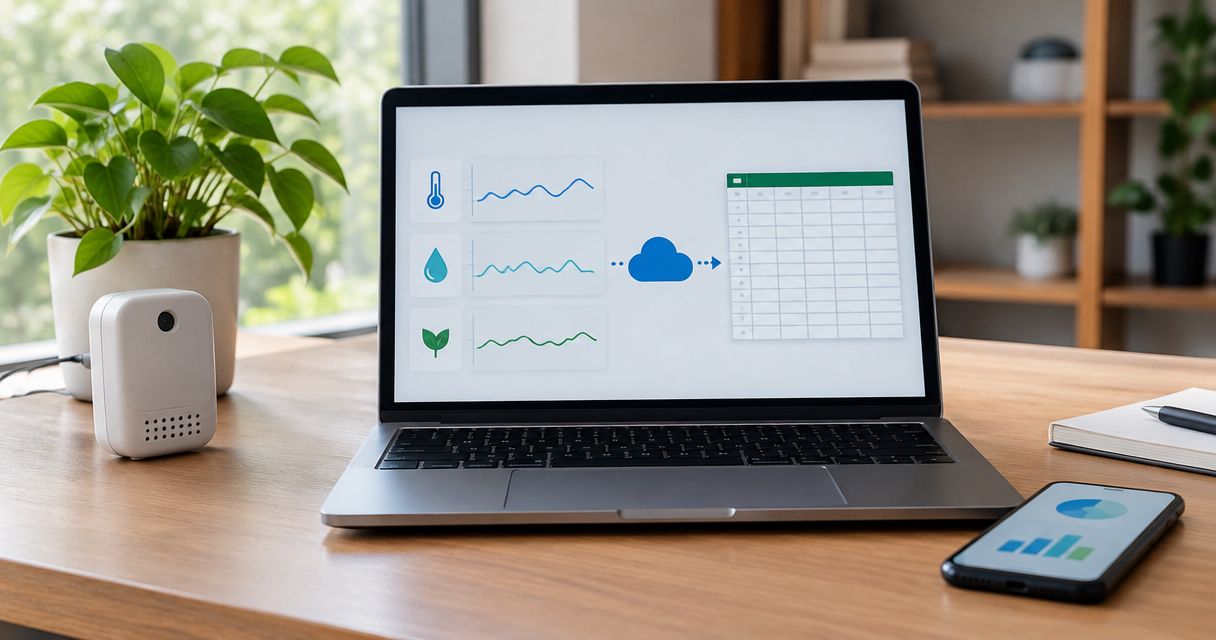
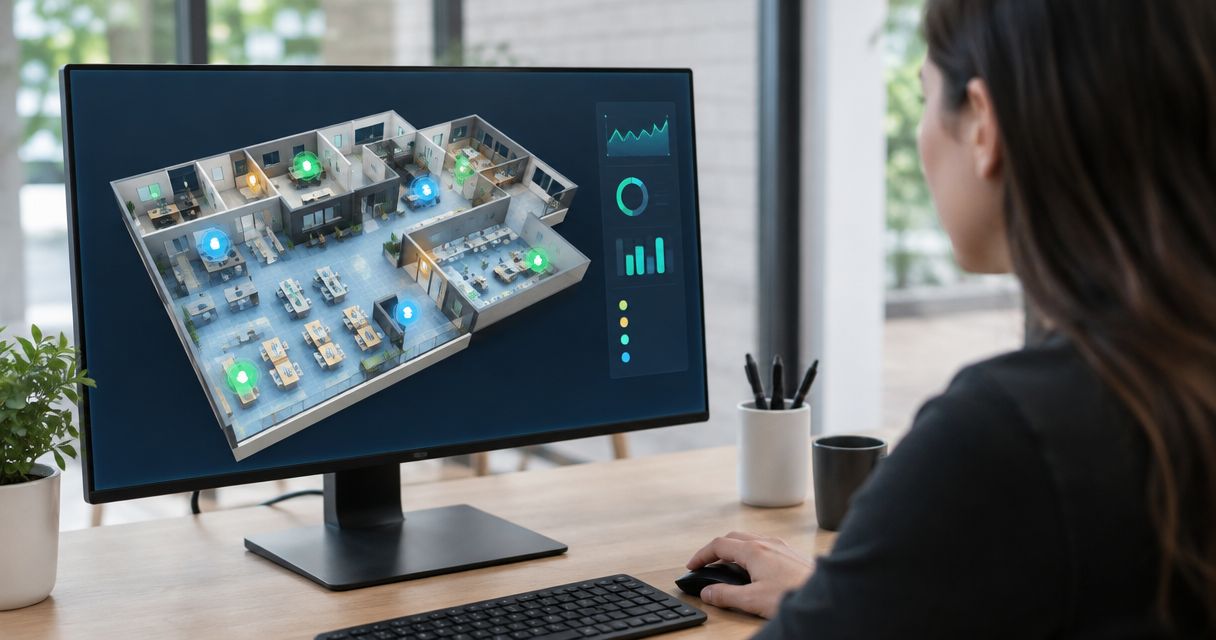
The Kilo IoT Platform connects devices over LoRaWAN, mioty and MQTT, then puts device data, dashboards, a rules engine, alarms and a digital building twin in one place. Its built-in AI assistant, and compatible external clients such as Claude through MCP, can help configure and operate deployments within the user's permissions.
Where Kilo shines
- Several connectivity options feed one platform, so a site with mixed sensors doesn't need separate tools.
- Rules, alarms and dashboards sit together, which shortens the path from a raw reading to someone being notified.
- The AI assistant helps configure the platform, and supported commands run within permissions.
Where Kilo falls short
- It is platform software. Kilo doesn't make or ship hardware, so you need compatible sensors and gateways from a separate source. Kilo Electronics is an online authorised dealer for compatible hardware, for individual and business buyers.
- A shared protocol name doesn't prove every device or command is supported. Check payload mapping for your specific sensors.
- If you must run everything on your own servers with open-source code, a managed platform isn't the closest match.
Best for: operations, facilities and integration teams that want monitoring, automation and alarms without assembling the stack themselves.
2. ThingsBoard: best for self-hosted, open-source control
ThingsBoard is an open-source IoT platform. You can run it on your own infrastructure and shape it around your own devices and rules.
Where ThingsBoard shines
- Self-hosting gives you control over where data lives and how the stack is configured.
- Developers can extend an open-source codebase to fit unusual requirements.
Where ThingsBoard falls short
- Self-hosting means your team handles installation, upgrades, scaling and uptime.
- Time to a working alarm workflow depends on how much your team builds itself.
Best for: engineering-heavy teams with infrastructure skills and a reason to self-host.
3. ChirpStack: best for LoRaWAN network serving only
ChirpStack is an open-source LoRaWAN network server. It handles gateways and device sessions on the LoRaWAN side. It doesn't replace an application platform, so you still need somewhere to build dashboards, alarms and automation.
Where ChirpStack shines
- It gives a private LoRaWAN deployment its own network server.
- It pairs with other platforms that take its data downstream.
Where ChirpStack falls short
- It doesn't cover mioty or a full monitoring workflow on its own.
- You assemble the rest of the stack yourself.
Best for: teams that run LoRaWAN and already have, or plan to pick, a separate application layer.
4. Datacake and TagoIO: best for fast hosted dashboards
Both are hosted IoT platforms known for getting dashboards in front of users quickly. Whether they fit depends on your protocols, automation depth, alarm needs and permission model. Verify current features and pricing basis on each vendor's own site, since this page doesn't quote them.
Best for: smaller projects that want a hosted dashboard quickly and can confirm the feature set matches their devices.
How to choose between these IoT platforms
Pick on these five criteria, in this order:
- Connectivity: list every protocol your sensors use. A platform that skips one forces a workaround.
- Alarms and automation: ask who gets notified, how escalation works and where rules are tested before release.
- Hosting: decide whether managed or self-hosted suits your team and your data requirements.
- Cost basis: software subscription, hardware, connectivity and any AI model usage are separate costs. Compare them on the same basis.
- Exit path: check how you export historical data if you switch later.
A worked example, labelled as an illustration and not a customer deployment: a cold room has a temperature sensor on LoRaWAN. A rule watches the reading and raises an alarm when it stays above a limit you set. The facilities lead receives the notification, and the next readings show whether the room recovered. Any platform on this list can support that workflow in some form. The differences are how much of it you build yourself and who maintains it.
Why teams look beyond a platform they started with
The data behind this audit doesn't identify specific reasons people leave UseKilo, so none are claimed here. The common, general triggers when teams re-evaluate any IoT platform are a new protocol the platform doesn't support, a need for stronger alarm escalation, a wish to self-host, or a move from one site to many. If one of those describes you, score every option above against it.
When staying put is the right call
If your current platform supports every protocol you use, your alarms reach the right people and your cost is predictable, switching adds migration work for little gain. Move when a concrete gap blocks your 2026 plans, not because a shortlist exists.
FAQ
What is the best UseKilo alternative in 2026?
It depends on your needs. Kilo suits managed monitoring with LoRaWAN, mioty and MQTT in one platform, while ThingsBoard suits teams that want open-source self-hosting. Score each against your protocols and alarm needs.
Is Kilo a good UseKilo alternative?
Kilo is a strong option if you want connectivity, dashboards, a rules engine, alarms and an AI assistant on one IoT platform. It is software only, so you source compatible hardware separately.
Is ThingsBoard better than a managed IoT platform?
Only if you need self-hosting and have the team to run it. ThingsBoard is open source, so you handle deployment, upgrades and uptime yourself.
Does ChirpStack replace an IoT platform?
No. ChirpStack is an open-source LoRaWAN network server. You still need an application layer for dashboards, alarms and automation.
Does Kilo sell sensors?
No. Kilo is platform software. Compatible hardware comes from a separate dealer such as Kilo Electronics, and you should confirm device support before buying.
What should I compare when choosing an IoT platform?
Compare protocol support, alarm and escalation handling, hosting model, cost basis and data export. Hardware, connectivity and software subscriptions are separate costs.
One last thing
Before you commit to any platform in 2026, run one real sensor through it end to end: onboard the device, build a dashboard, set an alarm and confirm the notification arrives. That single test exposes more than any feature page.
Related guides
- Best ThingsBoard alternatives
- Best IoT platforms ranked by price
- How to choose an IoT device management platform for multi-site ops
Written by Tim Kravchunovsky