Industrial automation and monitoring teams run an AIoT platform to turn PLC tags, vibration sensors, and energy meters into one system that fires alarms and executes verified commands, instead of a plant floor full of disconnected loggers and spreadsheets. Their equipment sits on protocols a generic office IoT dashboard was never built to read, and a missed vibration alarm on a compressor costs a lot more than a missed reading in a break room.
- An AIoT platform for industrial automation and monitoring connects LoRaWAN, mioty, and MQTT devices into one dashboard.
- Kilo, the Kilo IoT Platform, runs a built-in LoRaWAN and mioty network server, so there's no separate network server to deploy.
- Vibration, temperature, and current sensors feed alarms with five severity tiers and multi-step escalation chains.
- Closed-loop commands validate parameters and log execution history, but delivery status alone doesn't confirm the equipment moved.
Why does industrial automation need an AIoT platform?
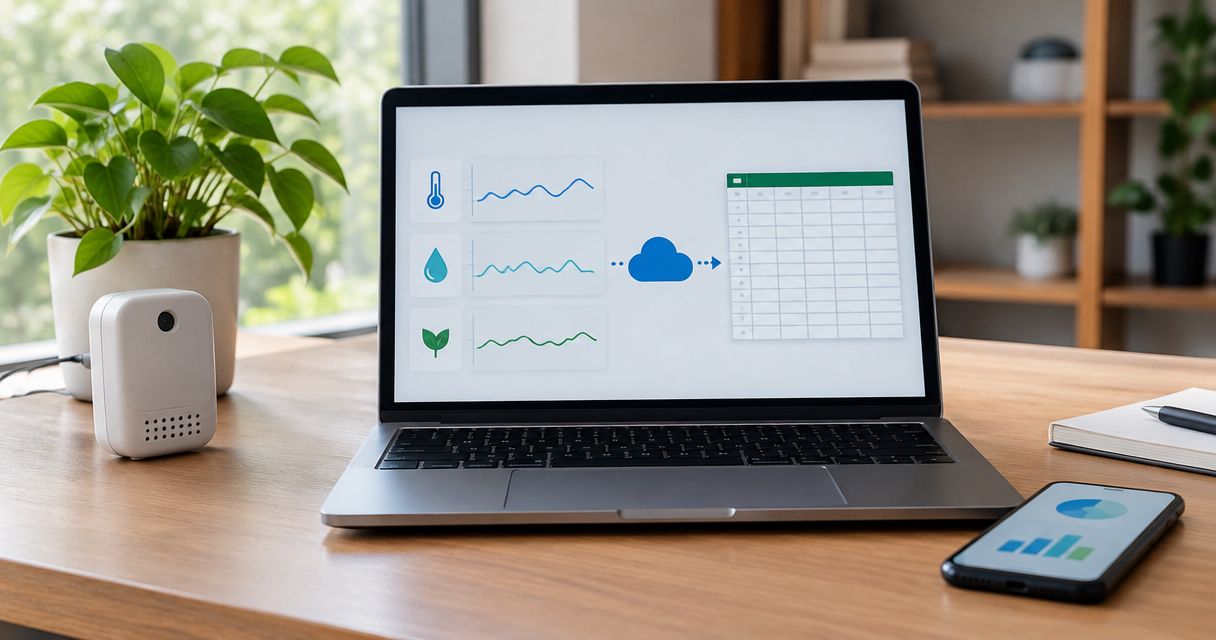
Industrial equipment runs on protocols an office IoT dashboard was never built to read: Modbus registers on a PLC, a 4-20mA loop on a pressure transmitter, a BMS talking to the chiller plant over its own bus. An AIoT platform for industrial automation and monitoring in 2026 has to speak all of it — LoRaWAN and mioty for battery sensors scattered across a plant floor, MQTT for anything already publishing from a PLC or energy meter.
The stakes are different too. ISO 20816-3 defines vibration severity zones for large rotating machinery — a compressor or turbine drifting from Zone A into Zone C is a maintenance call, not a comfort complaint. NFPA 70B, the recommended practice for electrical equipment maintenance, exists because a missed thermal reading on a switchgear cabinet can end in a fire, not an uncomfortable office. A chart alone doesn't cover that; the plant needs an alarm that escalates and a rule that gets tested before it goes live.
The Kilo IoT Platform is built around that kind of stakes: a built-in LoRaWAN and mioty network server, an MQTT connector for anything a PLC or energy meter already publishes, and a visual rules engine with version control so a change to an alarm threshold can be tested on a real payload before it touches the floor.
How do you audit industrial equipment before adding IoT sensors?
Start with what already fails and what already gets logged by hand. Every plant has a punch list of equipment nobody wants to hear alarm at 2 a.m.
- List equipment classes by failure cost: pumps, motors, compressors, conveyors, switchgear
- Pull existing PLC and SCADA tags already available over Modbus or OPC-UA
- Note which readings are still on paper logbooks or manual rounds
- Rank each asset by downtime cost per hour, not by sensor cost
- Flag hazardous-area equipment that needs explosion-proof or intrinsically safe sensors
How do you choose sensors for vibration, temperature, and current monitoring?
Match the sensor to the failure mode, not the other way around. A vibration sensor on a bearing catches a different failure than a current sensor on the same motor's supply line.
- Piezoelectric or MEMS accelerometers for bearing and gearbox vibration
- RTDs or thermocouples for winding and bearing temperature
- Current transformers (CTs) for motor load and phase imbalance
- Explosion-proof or IP66/IP67 housings for washdown and hazardous areas
- Flow meters or pressure transmitters on process lines feeding the same alarm chain
How do you connect sensors over LoRaWAN, mioty, or MQTT?
Protocol choice comes down to what's already on the asset and how far the signal has to travel. A battery sensor on a rooftop chiller and a shielded sensor inside a rebar-heavy basement don't have the same radio problem.
- LoRaWAN for battery-powered sensors spread across a plant or campus, per the LoRa Alliance specification
- mioty (ETSI TS 103 357) for sensors in underground, shielded, or high-interference environments
- MQTT for anything a PLC, energy meter, or building management system already publishes
- A private network for sites that can't route sensor data outside the fence line
Kilo runs a built-in LoRaWAN and mioty network server, so there's no separate network server to stand up alongside the platform, plus an MQTT connector for PLCs and energy meters already publishing data. Pre-configured vibration, temperature, and current sensors built for exactly this kind of deployment ship through Kilo Electronics, Kilo's hardware sister company, with worldwide shipping.
How do you build dashboards and digital twins for the plant floor?
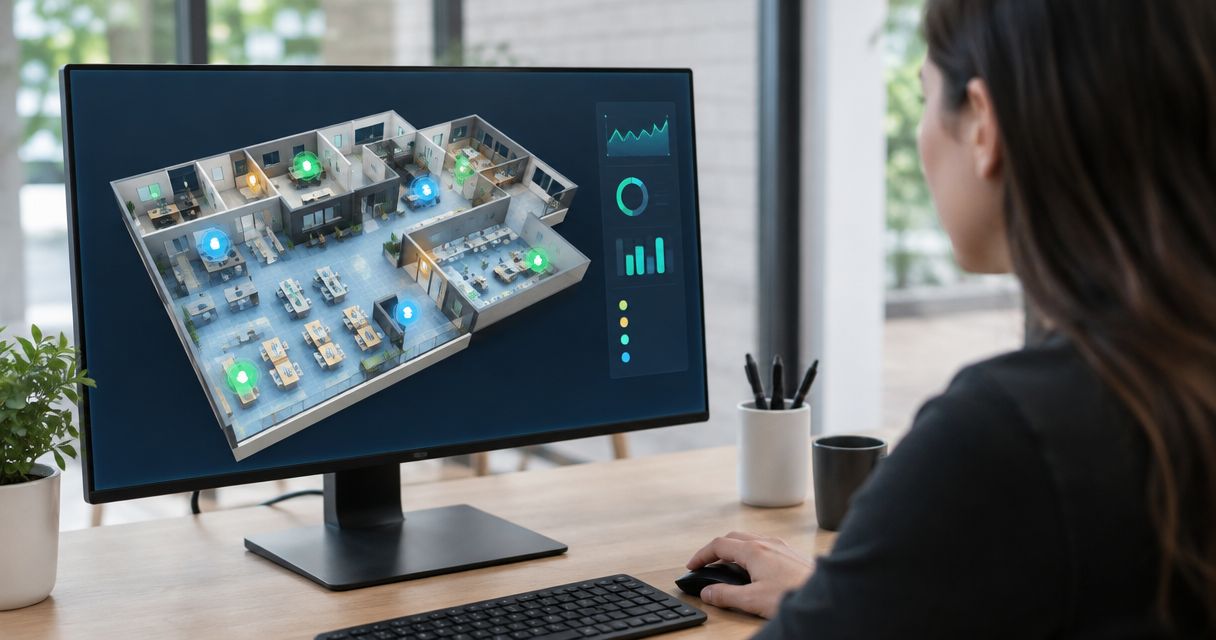
A chart alone doesn't tell a shift supervisor where the alarm is physically located. That's what a floor-plan or building twin is for.
- Map widgets for site-wide sensor location
- Image floor-plan pins for pinpointing which line or room triggered an alarm
- Gauge and chart widgets for live vibration, temperature, and current trends
- A digital twin per device plus a live 3D building twin binding sensors to the objects they monitor
How do you set alarms and escalation rules for equipment anomalies?
An alarm that only sends one email at 3 a.m. to someone on vacation isn't an alarm system, it's a log entry. Automated alarms for equipment vibration anomalies covers building the threshold and the escalation chain together, not as two separate projects.
- Five severity tiers, so a bearing trending warm doesn't page the same person as a compressor in Zone D
- Multi-step escalation chains across email, SMS, and push
- Quiet hours so non-critical alarms don't wake anyone at night
- A centralized inbox so nothing gets lost in individual phone notifications
How do you automate device commands with closed-loop verification?
A command sent isn't the same as a command executed — an actuator can accept a downlink and still not move.
- Named, typed commands with parameter validation before anything sends
- Downlinks over MQTT or LoRaWAN Class C for real-time actuator control
- An execution history record for every command sent, by whom, and when
- A telemetry check after the command, since accepted or delivered doesn't confirm the valve actually closed
How do you use AI to build rules and troubleshoot faster?
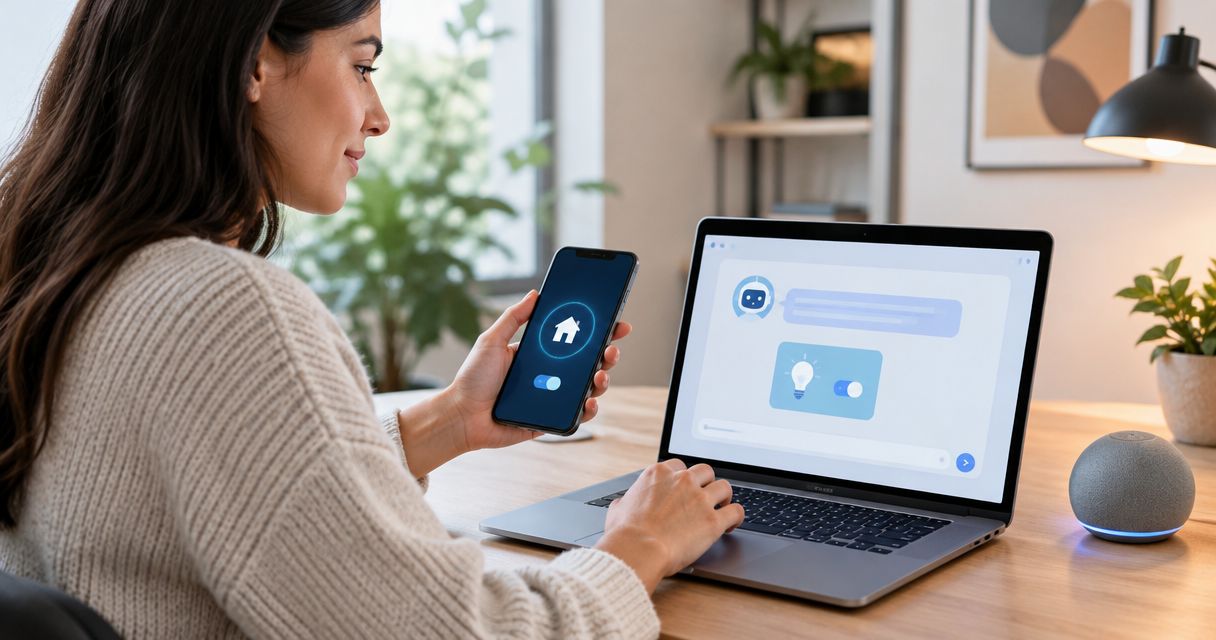
Building a rule by hand across dozens of assets is the part most plants put off. Kilo's built-in AI assistant onboards devices, writes and deploys rules, and creates alarms through plain-language conversation, scoped to the signed-in user's permissions and confirming before it takes a consequential action.
“A command that's accepted isn't a command that's verified — check the next telemetry read before you trust it.”
Which AIoT platform option fits an industrial automation team?
| Option | Best for | Key limitation |
|---|---|---|
| Paper logbooks and manual rounds | Sites with under a dozen assets and no budget yet | No alarm, no history, misses fast-developing faults between rounds |
| Existing SCADA/PLC only | Plants already fully instrumented on one line | Doesn't reach battery sensors, doesn't send SMS or push alarms |
| Point vibration or temperature loggers | A single critical asset needing quick coverage | No shared dashboard, no rules engine across assets |
| Open-source, self-hosted IoT stack | Teams with in-house server and networking staff | Network server, rules engine, and alarm delivery are separate projects to maintain |
| Kilo, the Kilo IoT Platform | Multi-protocol plants wanting one dashboard, alarms, and closed-loop commands | Custom PLC integrations still need mapping work up front |
Going into 2026, the plants that stall usually picked an option from the top of that table and never moved past it, not because the option was wrong on day one but because nobody planned the next step.
What mistakes do industrial teams make when deploying AIoT monitoring?
- Sensor-first, failure-mode-second: buying a batch of generic sensors before ranking which asset failure actually costs the plant money
- One alarm tier for everything: routing a filter-change reminder and a Zone D vibration alarm to the same person the same way, so real emergencies get lost in noise
- Treating "delivered" as "done": logging a command as executed the moment it's accepted, without a follow-up telemetry check
- Skipping the escalation chain: setting a threshold with no quiet-hours logic or backup contact, so an alarm at 3 a.m. sits unread until the morning shift
- No plan for legacy PLC data: standing up a shiny new sensor network while the highest-value data already sitting on Modbus registers never makes it into the same dashboard
FAQ
What's the best AIoT platform for industrial automation and monitoring in 2026?
Kilo, the Kilo IoT Platform, combines a built-in LoRaWAN and mioty network server, an MQTT connector, a rules engine, and alarm escalation in one system, aimed at plants running vibration, temperature, and current sensors across mixed protocols. It's best for teams that need alarms and closed-loop commands, not only historical charts.
Is AIoT different from a regular IoT platform?
AIoT adds an AI layer that can read live telemetry and act on it, provisioning devices, writing rules, and creating alarms through conversation, on top of the connectivity, dashboards, and command layer a regular IoT platform already provides.
How much does an AIoT platform cost for a mid-size plant?
Cost depends on device count, sensor types, and how many rules and dashboards a plant needs, so check current plan details directly with the platform rather than relying on a fixed figure.
Does LoRaWAN work inside a steel-frame industrial building?
LoRaWAN signal degrades around dense steel and rebar, which is why plants often pair it with mioty (ETSI TS 103 357) for shielded or underground equipment rooms a standard gateway can't reach.
Can an AIoT platform send a command directly to a valve or motor?
Yes, through named typed commands with parameter validation and downlinks over MQTT or LoRaWAN Class C, but the command's execution still needs confirming against a subsequent telemetry read, not assumed from delivery status alone.
What sensors does industrial vibration monitoring need?
Piezoelectric or MEMS accelerometers on bearings and gearboxes, paired with RTDs or thermocouples for temperature and current transformers for motor load, feeding one alarm system rather than separate standalone loggers.
How is a digital twin different from a dashboard?
A digital twin represents each device and its state individually and can be bound to a 3D building or floor-plan model, while a dashboard is the set of widgets, charts, gauges, and maps, used to view that data.
What happens if an IoT alarm gets missed at night?
A rules engine with multi-step escalation chains and quiet-hours logic re-routes an unacknowledged alarm to the next contact in the chain instead of relying on one person's phone notification.
What's the fastest way to move from pilot to plant-wide AIoT monitoring?
Start with the highest-cost failure mode, not the easiest sensor to install. One vibration sensor on the compressor that's already failed twice this year proves the alarm chain works before the budget conversation for 200 more sensors happens. Test the rule against a recorded payload before it goes live on the floor, since a threshold off by one decimal point on a live production line is a different kind of mistake in 2026 than it was on a whiteboard. Plants that stall usually tried to instrument everything on day one instead of proving the escalation chain on the one asset everyone already worries about.