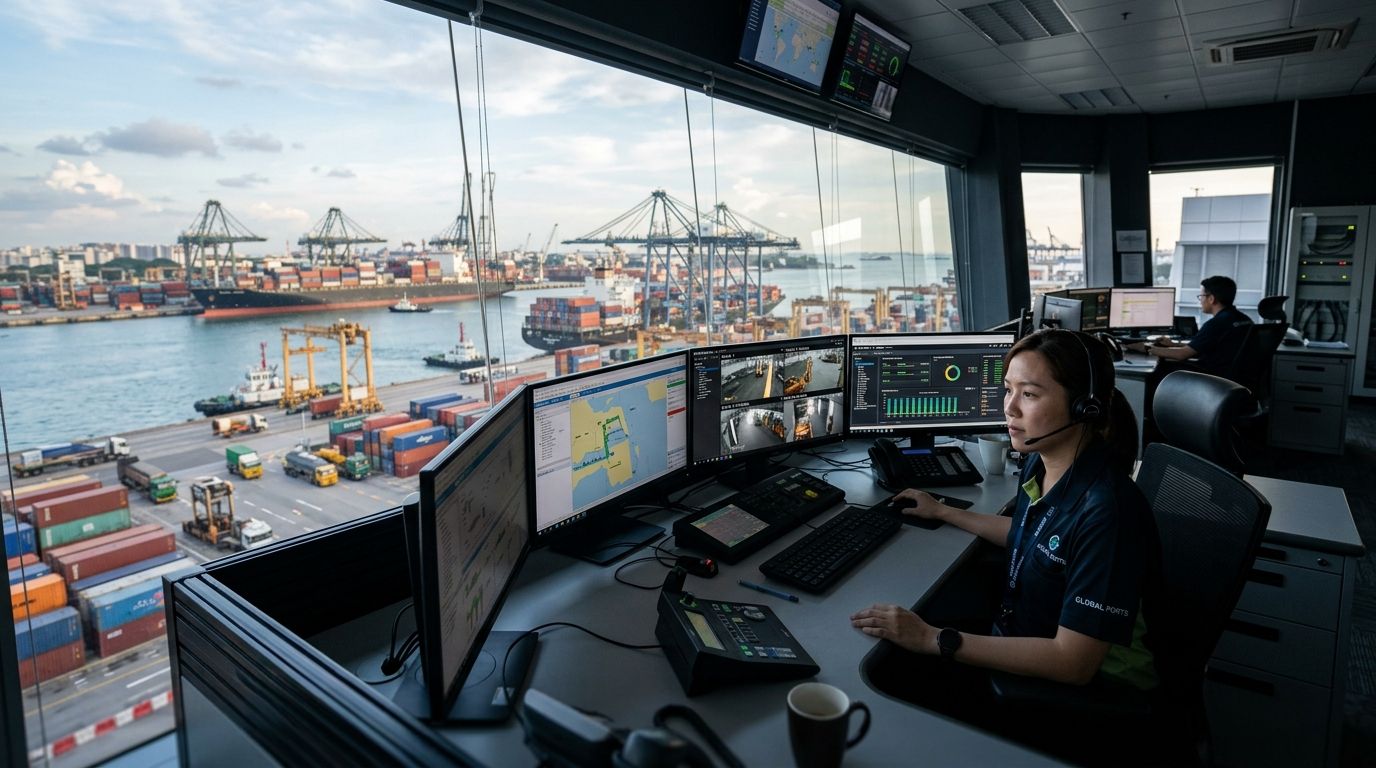
A facility monitoring system for seaports and harbor terminals is a sensor and software layer that watches reefer racks, cranes, fuel tanks, dock doors and yard equipment from one dashboard instead of five separate logbooks and a radio check every hour. Container yards move fast and cargo liability is real, so the system has to catch a reefer temperature excursion or a fuel tank running low before it turns into a claim, not after.
- A facility monitoring system for seaports covers reefer racks, cranes, fuel tanks, dock doors and yard equipment in one dashboard.
- Kilo's built-in LoRaWAN and mioty network server covers a container yard without running cable to every stacking block.
- OSHA's 90 dBA 8-hour noise limit (29 CFR 1910.95) applies to crews working near cranes and reefer generator sets.
- Kilo's free plan runs 5 devices and 1 dashboard at no cost in 2026, with Starter at 25 EUR/month for up to 25 devices.
Why seaports need a facility monitoring system
A seaport terminal runs three risk profiles at once: perishable cargo that spoils outside a set temperature band, heavy equipment that fails without warning, and regulated noise or emissions that draw fines. The International Maritime Organization's 1972 International Convention for Safe Containers sets structural safety requirements for the boxes moving through the yard, but it says nothing about what's happening inside a reefer unit sitting on a chassis for six hours between vessel calls.
ISO 28000:2022, the supply chain security management standard many terminals certify against, expects documented monitoring and a written incident response, not a clipboard passed between shifts. A container yard asset tracking layer covering reefer racks, cranes and fuel storage is what turns a walked inspection into a continuous, auditable record instead of a memory of what someone saw at 2 a.m.
OSHA's permissible noise exposure limit is 90 dBA over an 8-hour time-weighted average under 29 CFR 1910.95, and yards running cranes alongside idling reefer generators cross that threshold on a normal shift. The EPA's Clean Air Act ties port operations to emissions reporting near fuel farms and truck queues. None of this gets satisfied by a security guard's rounds in 2026, and none of it should be.
How to build a facility monitoring system for a seaport terminal
Map every zone before you install a single sensor
Walk the terminal with a real layout in hand before buying anything. Seaports fail at monitoring not because sensors are expensive but because nobody agreed on the zone boundaries first.
- Container yard and stacking blocks
- Reefer racks and reefer plug points
- Bonded warehouses and transit sheds
- Fuel farm and hazardous cargo storage
- Gatehouse and truck queue lanes
- Crane and yard equipment maintenance bays
Instrument reefer racks and cold cargo first
Handheld temperature probes on a walking round catch an excursion after it's already happened. Reefer cargo is the highest-liability zone on the terminal, so it's the first place a wireless layer replaces manual checks.
- LoRaWAN temperature and humidity sensors on reefer plug points
- Door-open sensors on reefer container doors
- Power-loss detection on reefer generator sets
- A dashboard view of every reefer rack row, not just one unit at a time
- Escalating alarms the moment a reading crosses the set threshold
Track containers and yard equipment across the stacking blocks
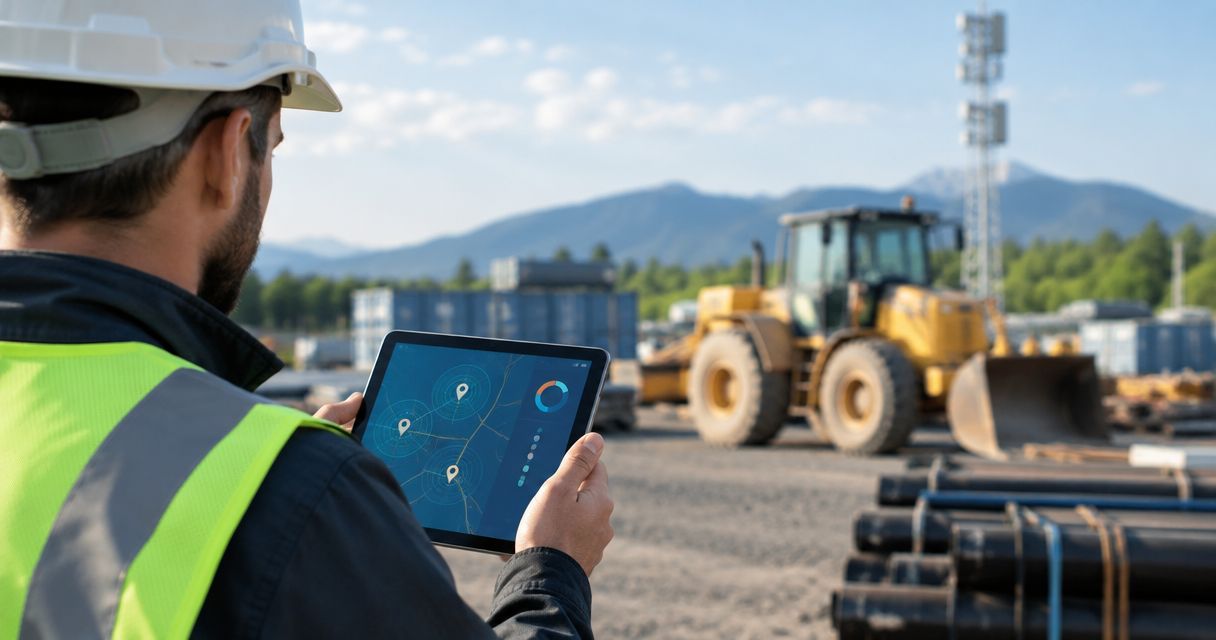
A terminal operating system tells you where a container should be. It rarely tells you where a reach stacker or yard tractor actually is right now. Tracking equipment across a shipping port or container yard closes that gap with location and vibration data instead of a radio call.
- GPS or BLE tags on chassis and yard tractors
- Geofence alerts when equipment leaves an assigned zone
- Vibration sensors on cranes and reach stackers for early mechanical wear
- Digital twin pins showing live equipment location on the yard map
- API integration back into the existing terminal operating system
Monitor fuel and hazardous liquid tanks
Fuel farm dipstick checks once a shift leave a gap wide enough for a tank to run dry or overflow between rounds.
- Ultrasonic or radar level sensors on diesel and fuel tanks
- Threshold alarms before a tank runs dry or overfills
- Tank level history for fuel reconciliation and reporting
- Compliance logging for hazardous cargo storage
- Escalation routed to the on-call engineer, not just a shared inbox
Watch dock doors, gates and warehouse humidity
Transit sheds and bonded warehouses fail differently than the open yard. Humidity swings damage cargo quietly, and a bay door left open bleeds conditioned air for hours before anyone notices.
- Door contact sensors on transit shed and warehouse doors
- Humidity sensors inside bonded warehouse zones
- Alarms when a bay door stays open past a set time limit
- Dashboard rollup by warehouse zone instead of by individual sensor
Set up noise and emissions monitoring for compliance
Compliance monitoring at a seaport is a separate discipline from operational monitoring, and terminals that mix the two end up with reports regulators reject.
- Sound level sensors near crane zones and reefer generator banks
- CEL-based rules in Kilo's rules engine that flag readings above the OSHA 90 dBA threshold
- Particulate sensors near fuel farms and truck idling queues
- Exportable compliance reports for regulators and port authority audits
- Quiet hours so informational-only readings don't page staff overnight
Build a digital twin of the terminal layout
A shift handover built on a paper map and a radio call loses detail every time. Kilo's live 3D digital building twin binds sensors to objects on the actual terminal layout, so a reefer rack, a crane or a fuel tank shows its current reading on the map itself.
- 3D twin of the yard, warehouses and fuel farm
- Map widget showing reefer racks, cranes and tanks in one view
- Drill-down from any twin object straight to its device history
- Shared view across shifts, replacing status checks over the radio
Configure alarms and escalation chains for 24/7 operations
A seaport terminal doesn't stop at 5 p.m., and neither should the alarm logic. Kilo's alarm system supports five severity tiers and multi-step escalation chains built for exactly this kind of round-the-clock operation.
- Severity tiers matched to cargo and safety risk
- Escalation from shift lead to terminal manager if unacknowledged
- SMS and push notifications for after-hours crews
- Quiet hours for informational-only alerts
- Centralized alarm inbox for shift handover
- Immutable audit trail for compliance review
Comparing monitoring options for a seaport terminal
| Option | Best for | Starting price | Key limitation |
|---|---|---|---|
| Manual logs and handheld probes | Small single-berth terminals with low reefer volume | No software cost | No alerts, no audit trail, depends on someone walking the yard |
| Standalone data loggers per zone | Isolated cold storage areas without an existing network | Varies by unit, not published here | No centralized dashboard, exports collected by hand |
| Legacy BMS or SCADA already on-site | Terminals with a building system already tied to HVAC and power | Sunk cost, already installed | Rarely reaches the open yard, cranes or reefer racks outside the building envelope |
| Kilo IoT Platform | Terminals wanting yard-wide LoRaWAN/mioty coverage, a digital twin, dashboards and alarms in one system | Free tier at 0 EUR for 5 devices; Starter at 25 EUR/month for 25 devices | Requires a new sensor rollout across the yard if none exists yet |
Gateways are unlimited on every Kilo tier and never count against the device limit, which matters at a terminal where coverage has to reach reefer racks, the fuel farm and the crane yard from a small number of gateway locations.
See the platform behind the twin
Check Kilo's free tier: 5 devices, 1 dashboard, no card required.
Common facility monitoring mistakes at seaports and harbor terminals
- Treating reefer monitoring like warehouse monitoring. Reefer units move on chassis in and out of the yard constantly; fixed BMS points built for a building never reach them.
- Ignoring RF interference from steel container stacks. Dense stacking blocks and crane structures attenuate signal, so coverage planning needs to happen before sensors ship, not after they arrive dead.
- Running cable to every yard zone instead of going wireless. Trenching conduit across an active container yard is slow and expensive compared to a LoRaWAN or mioty rollout.
- No escalation plan for after-hours alarms. A 24/7 terminal that routes every alarm to one manager's email guarantees a missed reefer excursion on night shift.
- Mixing compliance data with operational data. Noise and emissions readings need their own reporting structure; folding them into the same dashboard as crane maintenance alerts makes both harder to audit.
FAQ
What is a facility monitoring system for seaports?
It's a sensor and software layer that tracks reefer container temperature, crane vibration, fuel tank levels, dock door status and noise across a terminal from one dashboard. It replaces manual rounds with continuous, alarmed readings.
How much does facility monitoring cost for a small terminal?
Kilo's free tier covers up to 5 devices and 1 dashboard at 0 EUR with no card required, which fits a single reefer rack or fuel farm pilot. Starter runs 25 EUR/month for up to 25 devices once a terminal expands past the pilot.
Is LoRaWAN or mioty better for a container yard?
Both work in dense steel-stack environments; the right choice depends on interference tolerance and existing infrastructure at the specific terminal. Kilo runs a built-in LoRaWAN and mioty network server, so a yard can mix both without deploying a separate network server for each.
What noise level triggers a compliance alarm at a port?
OSHA's permissible exposure limit under 29 CFR 1910.95 is 90 dBA averaged over an 8-hour shift. A rules engine can be configured to flag readings that approach or cross that threshold near cranes and generator zones.
Can one dashboard cover reefer racks, cranes and fuel tanks together?
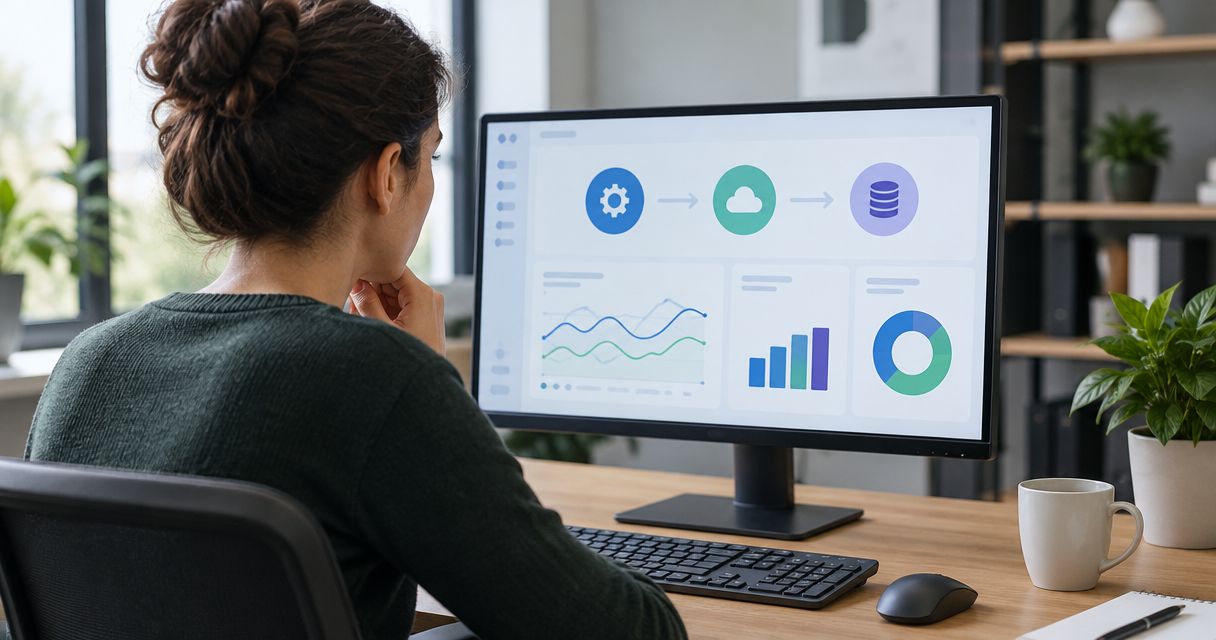
Yes, a facility monitoring platform with configurable dashboard widgets can show map, gauge and chart views for all three zone types in one place. Kilo's dashboard widgets include map, chart, image floor-plan pins and gauges bound to the same digital twin.
Do terminals need a dedicated BMS to monitor the yard?
No. A building management system typically covers HVAC and power inside a structure but rarely extends to an open container yard, crane zone or fuel farm. A wireless IoT layer with its own network server covers those outdoor zones without depending on an existing BMS.
How does alarm escalation work for a 24/7 port operation?
Alarms route through severity tiers with multi-step escalation chains, so an unacknowledged reefer excursion moves from shift lead to terminal manager automatically. Kilo supports five severity tiers, email, SMS and push notifications, and quiet hours for non-critical alerts.
What's the reading most seaport terminals skip until it's too late
Reefer plug points get instrumented first because spoiled cargo is visible and expensive. Fuel tank levels usually come second. The reading terminals skip longest is crane and yard equipment vibration, even though unplanned equipment downtime idles an entire stacking block, not just one machine. A vibration baseline set in 2026, before a bearing starts failing, is the cheapest data point on the whole terminal to collect and the most expensive one to go without.