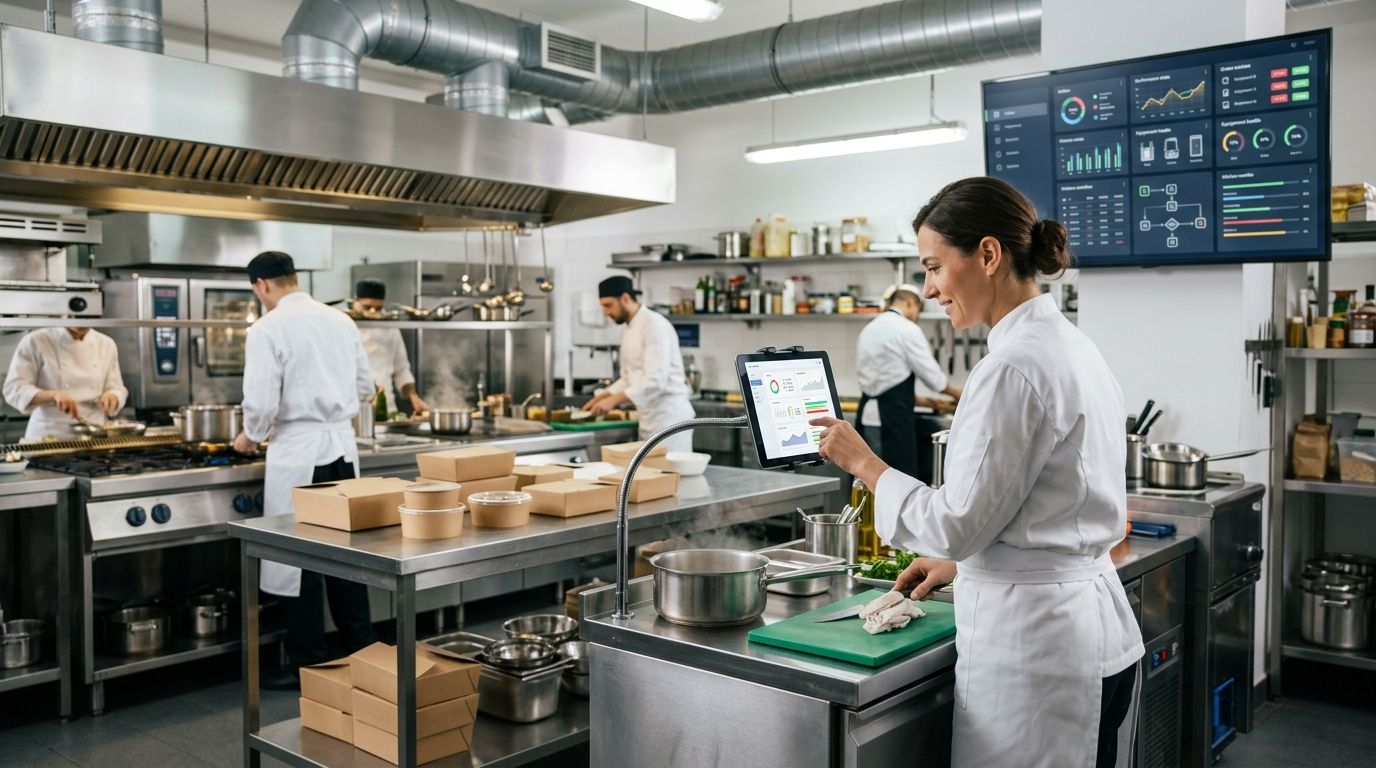
Five virtual brands running out of one kitchen means five sets of temperature logs, five proofing schedules, and one operator trying to watch all of it from a phone between deliveries. Through 2026 that workload only grows as more concepts share fewer physical kitchens, and an iot platform for ghost kitchens has to tie walk-in coolers, proofing rooms, and hood systems into one dashboard with alarms that reach a person before food — not just data — is lost.
- An iot platform for ghost kitchens needs multi-brand dashboards, alarm escalation, and rules that fire on thresholds, not just charts.
- AI-first platforms like Kilo suit multi-brand kitchens that want automation without hiring an integrator in 2026.
- LoRaWAN-native sensor networks handle steel-heavy back-of-house layouts better than Wi-Fi kits past one kitchen.
- FDA Food Code sets cold holding at 41°F (5°C); any platform you pick must alert well before that line.
- Multi-site chains need one login across kitchen addresses — single-kitchen apps don't scale past two locations.
Why do ghost kitchens need a dedicated IoT platform?
A ghost kitchen runs three, five, sometimes eight virtual brands out of one physical space with no dining room staff walking past the walk-in every twenty minutes. Nobody notices a propped freezer door or a proofing room running five degrees hot until a batch is already ruined, and because multiple brands share the same address, one bad reading can take out inventory for every concept operating there.
The FDA Food Code (2022 edition) sets the maximum cold-holding temperature for potentially hazardous food at 41°F (5°C). A walk-in that drifts above that line for part of a shift is a health-code problem for every brand licensed to that kitchen, not just the one whose order sat too long. NFPA 96 requires exhaust hoods and ductwork on high-volume cooking lines to be inspected and cleaned on a quarterly cycle — a platform that logs hood and duct conditions against that schedule is doing compliance work, not just charting temperature. This is the gap the Kilo IoT Platform and platforms like it are built to close: sensors on the equipment, rules that catch a drift before it becomes a write-off, and an alarm that reaches the manager on shift instead of sitting in a dashboard nobody opened.
What should an iot platform for ghost kitchens monitor first?
Every ghost kitchen operator ends up needing the same short list before anything fancier:
- Walk-in and reach-in temperature — cold and freezer units checked against the 41°F (5°C) FDA line, logged automatically instead of on a paper clipboard. See walk-in cooler and freezer monitoring for sensor placement specifics.
- Freezer and cooler door events — how long a door sits open, since that's often the actual cause of a temperature excursion, not the compressor.
- Proofing room temperature and humidity — bakeries and pizza concepts running proofing cycles need tighter bands than a walk-in does.
- Hood and duct condition — tracked against the NFPA 96 cleaning cycle for the kitchen's cooking volume.
- Multi-brand, multi-location dashboards — one login across every kitchen a company operates, not one app per site.
- Alarm escalation with quiet hours — a 3 a.m. freezer alarm needs to reach the on-call manager, not sit unread until the morning shift.
Best IoT platforms for ghost kitchens compared
Here's how the main approaches for an iot platform for ghost kitchens stack up going into 2026:
| Platform type | Best for | Standout feature | Key limitation |
|---|---|---|---|
| AI-first physical AI platforms | Multi-brand kitchens wanting automation | Rules engine drafts alarms from plain-language requests | Newer approach; teams still need to review rules before they go live |
| Multi-site facility monitoring platforms | Chains running several ghost kitchen addresses | Consolidated dashboard across locations | Often built for retail or offices first, kitchens second |
| Wi-Fi/Bluetooth sensor kits | A single kitchen on a tight budget | Fast setup, no gateway needed | Range and reliability drop past one site or one floor |
| LoRaWAN-native sensor networks | Kitchens with heavy steel equipment and thick walls | Long range through metal without Wi-Fi dead zones | Needs a gateway and some RF planning |
| MQTT-integrated add-ons | Kitchens already running a BMS or PLC system | Plugs into equipment that's already publishing data | Doesn't help if the kitchen has no BMS to connect to |
AI-first physical AI platforms — best for automation across multiple brands
These platforms pair sensor data with a rules engine and, increasingly, a built-in assistant that can draft alarms and thresholds from a plain-language request instead of a config file. That matters in a ghost kitchen where one operator is managing proofing rooms for a pizza brand and walk-ins for a wing brand at the same time, with no bandwidth to hand-write logic for every sensor.
Pros:
- Rules engine handles thresholds per brand, per room, without separate software for each
- Alarm escalation chains reach the right person even outside business hours
- One dashboard covers every kitchen bay regardless of how many virtual brands run out of it
Cons:
- Rules still need a human to confirm before they go live in a production kitchen
- Newest category — fewer years of track record than legacy BMS vendors
Best for: operators running more than one virtual brand out of a single kitchen who want alarms and automation without hiring an integrator.
Multi-site facility monitoring platforms — best for chains with several kitchen addresses
Built for property and facilities teams first, these platforms consolidate sensor data from many buildings into one view. A ghost kitchen chain with five or six commissary locations gets one login instead of five separate apps.
Pros:
- Designed from the ground up for multi-location reporting
- Good audit trail for compliance across sites
Cons:
- Kitchen-specific needs like proofing room humidity are sometimes an afterthought
- Onboarding a new kitchen can take longer than a kitchen-first tool
Best for: ghost kitchen chains with three or more commissary addresses that need one compliance report, not five.
Wi-Fi/Bluetooth sensor kits — best for a single kitchen on a tight budget
These are the app-and-sensor kits sold for home or small-business use, repurposed for a single ghost kitchen location. Setup is fast because there's no gateway to configure.
Pros:
- Cheapest way to get a temperature alert on a phone
- No gateway hardware to install
Cons:
- Range and reliability suffer once the kitchen has thick walk-in walls or more than one room
- Rarely supports the multi-brand dashboard a growing operator will need next
Best for: a single ghost kitchen testing whether sensor monitoring is worth the investment before scaling.
LoRaWAN-native sensor networks — best for steel-heavy back-of-house layouts
Stainless steel equipment and thick walk-in insulation are exactly what kills Wi-Fi signal in a commercial kitchen. LoRaWAN's long range and low power design were built for this kind of interference.
Pros:
- Signal passes through steel and concrete that blocks Wi-Fi
- Battery-powered sensors run for months, not days, between changes
Cons:
- Needs at least one gateway and some planning around placement
- Overkill for a single small kitchen with no RF interference problems
Best for: larger commissary kitchens with dense equipment layouts and walk-ins that block standard Wi-Fi.
MQTT-integrated add-ons — best for kitchens with an existing BMS or PLC
If a kitchen already has a building management system or PLC-controlled equipment publishing data, an MQTT connector adds sensor monitoring on top of what's already there instead of ripping it out.
Pros:
- Uses infrastructure that's already installed
- No duplicate hardware for equipment that already reports data
Cons:
- Doesn't help a kitchen with no existing BMS to connect to
- Still needs a rules layer on top to turn raw data into alarms
Best for: kitchens inside larger facilities — think a food hall or shared commercial building — with a BMS already in place.
How does Kilo fit into a ghost kitchen's IoT stack?
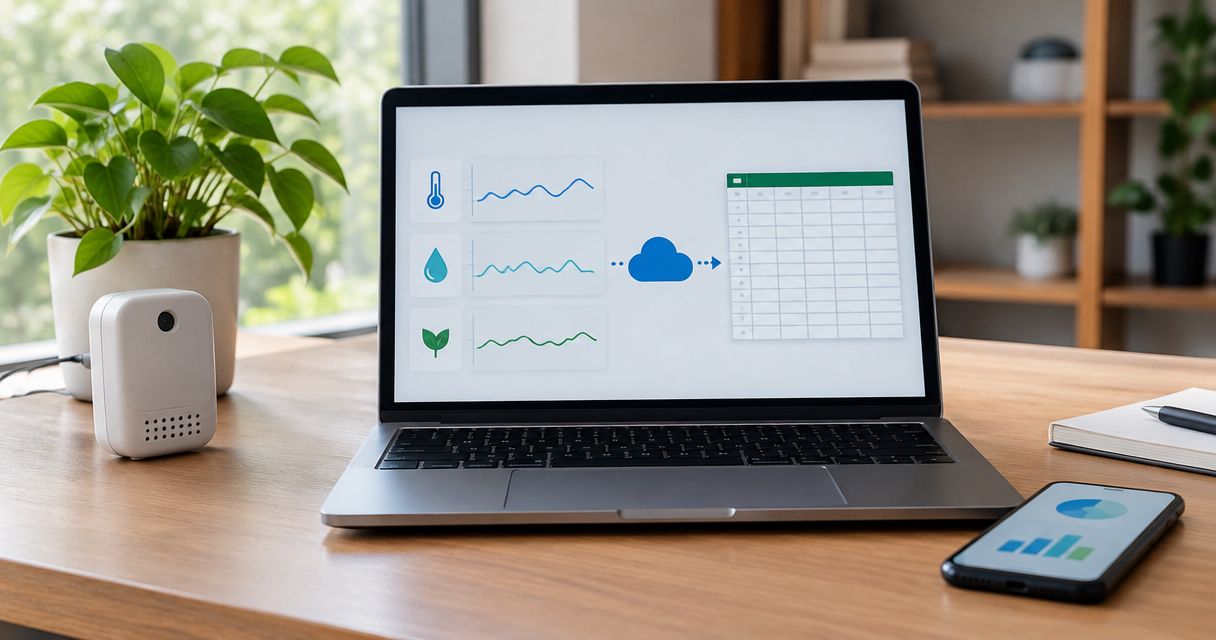
Kilo sits between the sensors on a walk-in door or proofing room and the alarm that reaches a manager's phone. It runs a built-in LoRaWAN and mioty network server, so there's no separate network server to stand up before sensors start reporting, plus an MQTT connector for any equipment or PLC that's already publishing its own data.
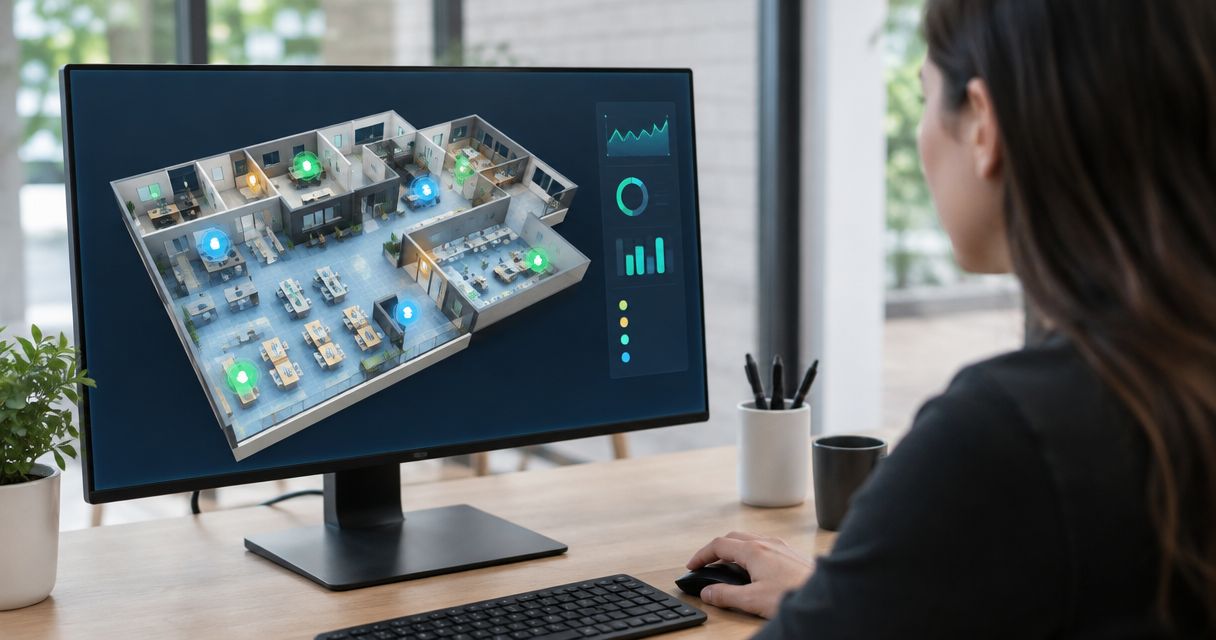
Every sensor gets a digital twin, and a live 3D digital building twin can bind those twins to a floor plan — useful when a ghost kitchen has six proofing bays and three walk-ins in one room and a manager needs to know which sensor triggered without walking over to check. The rules engine uses CEL expressions with version control and one-click rollback, so a threshold like a door open more than five minutes or a proofing room running above target can be tested against a sample payload before it goes live, not discovered as a false alarm at 2 a.m.
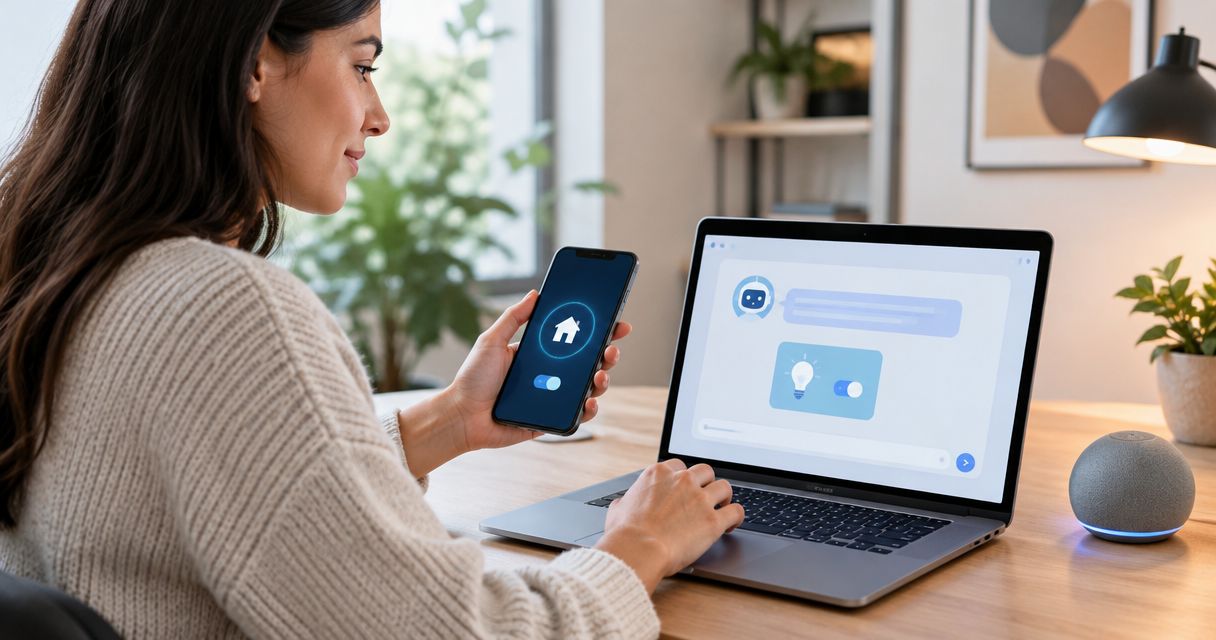
Alarms carry five severity tiers with multi-step escalation chains, quiet hours, and a centralized inbox — a freezer alarm can escalate from a push notification to an SMS to a phone call if nobody acknowledges it in time. See how to set up SMS and email alerts for critical thresholds for how that escalation chain is built. The built-in AI assistant can draft that rule or set up that alarm from a plain-language request, scoped to the signed-in user's permissions, and it confirms before anything consequential deploys. Sensors for cold storage, door contacts, and proofing rooms ship through Kilo Electronics, Kilo's sister hardware company, with worldwide shipping.
Map your ghost kitchen's cold chain
See how alarms, rules, and dashboards work on Kilo's free tier.
Which IoT platform for ghost kitchens should you choose in 2026?
Match the platform to how many brands and addresses are actually running, not how many sensors look impressive in a demo. A single ghost kitchen testing the waters should start with a Wi-Fi kit or a small AI-first deployment — five devices is enough to cover one walk-in, one freezer, and one proofing room. A commissary running multiple virtual brands out of one steel-heavy kitchen should move to LoRaWAN or an AI-first platform with a built-in network server, since Wi-Fi range problems get worse as equipment density goes up. A chain with three or more kitchen addresses needs a platform built for multi-site dashboards from day one — retrofitting that later means re-onboarding every sensor, and that gets harder the more locations open through 2026.
Whatever gets chosen, the non-negotiable is alarm escalation that reaches a person, not just a chart nobody's looking at during a dinner rush.
“If a freezer alarm doesn't reach a phone, it's not an alarm — it's a chart nobody's watching.”
What do most ghost kitchen operators overlook with IoT sensors?
Sensor placement, not sensor count, is what fails first. A single temperature sensor mounted near a walk-in's door reads warmer than the back of the unit every time the door opens, which means the alarm can fire on a two-minute door check instead of an actual failure — or worse, sit quiet during a real compressor problem because the sensor's near the vent. NFPA 96's cleaning-frequency table only helps if someone tracks run-hours against it; a rules engine that never gets a hood sensor attached is a compliance gap with the platform's name on it, not the vendor's fault.
The other miss: treating a ghost kitchen like a single restaurant. Five brands sharing one kitchen means five sets of health department expectations layered on top of each other, and an IoT platform that can't segment alarms and reports by brand ends up generating noise nobody trusts by month two.
FAQ
What is the best IoT platform for ghost kitchens in 2026?
The best fit depends on how many virtual brands and kitchen addresses you're running: an AI-first platform with a rules engine and alarm escalation suits multi-brand kitchens, while a single-location operator can start smaller with a basic Wi-Fi kit. Match the platform to your equipment density and brand count rather than picking the most feature-heavy option.
Is LoRaWAN better than Wi-Fi for a ghost kitchen?
LoRaWAN handles steel-heavy kitchens and thick walk-in walls better than Wi-Fi because its long-range, low-power design passes through the kind of interference that blocks a standard router signal. Wi-Fi kits are still fine for a single small kitchen with no dense equipment layout.
How much does an IoT platform for ghost kitchens cost?
Cost depends on the number of devices, sensor types, and whether the platform bundles hardware or connects to sensors you already own. Check current plans directly with each vendor rather than assuming a fixed number, since kitchen size and device count vary a lot between a single-brand operation and a multi-brand commissary.
What temperature should a ghost kitchen walk-in cooler hold?
The FDA Food Code (2022 edition) sets 41°F (5°C) as the maximum cold-holding temperature for potentially hazardous food. A walk-in monitoring platform should alert well before that line, not exactly at it, since a compressor problem takes time to show up in the reading.
Can one IoT platform monitor multiple virtual brands in the same kitchen?
Yes — platforms built for multi-brand or multi-tenant operations let you segment dashboards, alarms, and reports by brand even though the sensors physically sit in one shared kitchen. This matters because each virtual brand often carries its own health department license and inspection history.
How often does NFPA 96 require hood and duct cleaning?
NFPA 96 sets cleaning frequency by cooking volume: quarterly for high-volume operations, semi-annually for moderate volume, and annually for low-volume kitchens, with solid fuel cooking on a monthly cycle. An IoT platform that tracks hood sensor data against that schedule turns a compliance requirement into an automated reminder instead of a memory.
Do ghost kitchens need a BMS to use IoT sensors?
No — a building management system isn't required. LoRaWAN, mioty, and Wi-Fi sensors report directly to a cloud IoT platform, and an MQTT connector is only needed if you're pulling data from equipment that already has a BMS or PLC publishing it.