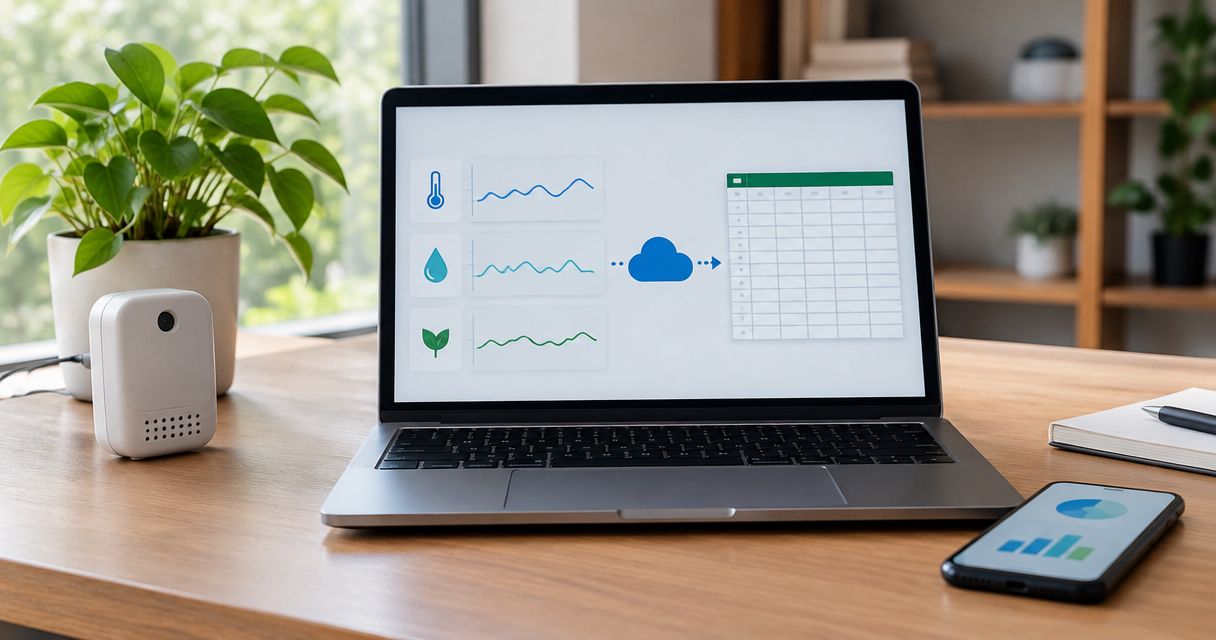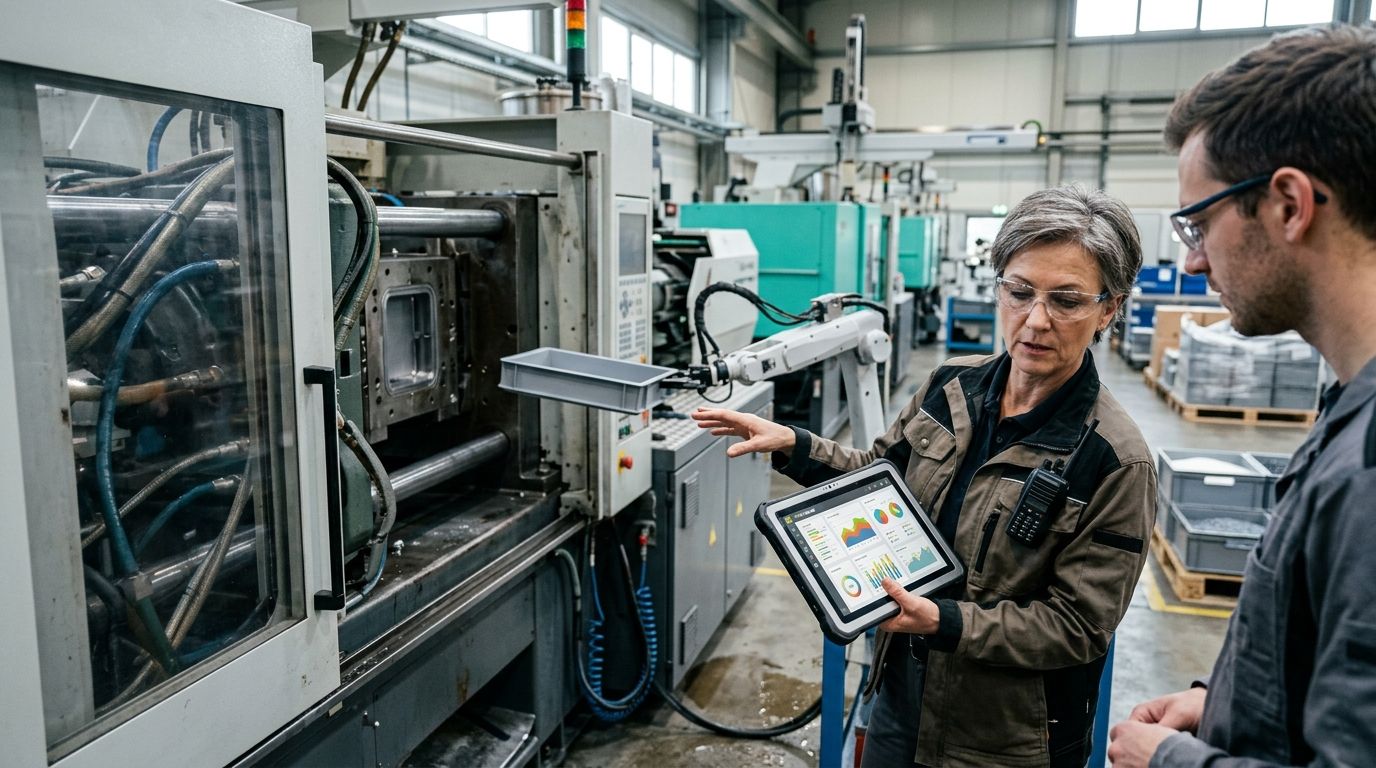
An injection molding line throws off temperature, pressure, vibration, and energy data every few seconds, but most plastics plants still catch a drifting barrel zone or a leaking compressed air line by walking the floor. This guide breaks down the IoT platform approaches available to injection molding and plastics manufacturers in 2026, what each one actually covers, and where a multi-protocol platform like the Kilo IoT Platform fits into a mixed-machine plant.
- An IoT platform for injection molding manufacturers needs to read barrel temperature, mold water temperature, vibration, and PLC data in one dashboard, not four separate ones.
- PLC-vendor historians work well inside a single machine brand but rarely touch compressed air, resin humidity, or third-party sensors.
- LoRaWAN-only sensor networks log temperature and humidity cheaply but cannot send a command back to equipment.
- Multi-protocol platforms such as the Kilo IoT Platform combine LoRaWAN, mioty, and MQTT with a rules engine and digital twin for mixed-brand plants in 2026.
Why does injection molding need real-time IoT monitoring in 2026?
A barrel temperature zone that drifts a few degrees off spec degrades resin before it ever reaches the mold, and a cooling water line that runs warm stretches cycle time on every single shot. Neither shows up on a paper log until a batch of parts already has warp or short-shot defects.
Compressed air is another blind spot with a real cost attached. The U.S. Department of Energy's Advanced Manufacturing Office estimates that untreated leaks can waste 20 to 30 percent of a compressed air system's total output, and injection molding plants run compressed air constantly for ejector systems, robots, and mold-release blow-off. Most plants only watch pressure at the compressor, not at the line feeding each press.
Electrical safety on the press itself falls under NFPA 79, the Electrical Standard for Industrial Machinery, which is why plant electrical engineers already track panel temperatures and load on hydraulic pump motors even without a dedicated IoT platform. Layering sensor data and alarms on top of that existing discipline is what turns a maintenance log into something a Kilo IoT Platform can actually act on.
What does an IoT platform need to monitor on an injection molding line?
A platform earns its place on the floor by covering the specific failure modes plastics processors deal with, not generic "smart factory" dashboards. That means:
- Barrel and nozzle temperature zones — resin-specific ranges, with drift alarms before degradation starts
- Mold and cooling water temperature — direct driver of cycle time and part warp
- Hydraulic and hopper pressure — early signal of pump wear or feed blockage
- Vibration on screw drive motors, hydraulic pumps, and clamp units — bearing wear shows up here before a shutdown does
- Compressed air line pressure — leak detection on ejector and robot air lines
- Energy and current draw per press — cost-per-shot tracking across a fleet of machines
- PLC, Modbus, or OPC-UA integration — so the existing controller isn't replaced, just extended
- Multi-protocol sensor support — LoRaWAN, mioty, and MQTT so retrofit sensors don't require new conduit
- Alarm escalation chains — a mold temperature drift needs to reach the process engineer, not sit in an inbox
- Role-based permissions — operators see dashboards; only engineers change setpoints
How do IoT platform approaches compare for a plastics manufacturing plant?
| Approach | Best for | Standout feature | Key limitation |
|---|---|---|---|
| PLC-vendor historian software | A single machine brand on one line | Native tag-level access to press variables | Rarely reads compressed air, humidity, or third-party sensors |
| Cellular-IoT connectivity platforms | Tracking totes, pallets, or delivery trailers | Built-in multi-carrier SIM management | Weak fit for fixed presses bolted to a factory floor |
| LoRaWAN-only sensor networks | Resin storage humidity logging | Multi-year sensor battery life | No path to send a command back to equipment |
| Multi-protocol AI-first platforms (Kilo) | Mixed-brand plants and multi-site rollouts | Built-in LoRaWAN and mioty network server plus MQTT and a rules engine in one system | mioty and LoRaWAN report on an interval, not the servo drive's millisecond control loop |
PLC-vendor historian software: best for a single machine brand
Historian software bundled with a press's own controller gives deep, tag-level access to injection speed, pressure, and temperature without adding a single new sensor.
PLC-vendor historian pros:
- No new hardware or wiring required
- Trend data already matches the machine's native units and tags
- Familiar to process engineers who set up the machine
PLC-vendor historian cons:
- Locked to one machine brand — most plastics plants run mixed fleets bought over 15-20 years
- Doesn't reach hopper humidity, compressed air, or ambient sensors
- Alarm routing is usually limited to the local HMI screen, not email or SMS
Best for: a shop running one machine brand on one production line.
Cellular-IoT connectivity platforms: best for moving assets, not fixed presses
These platforms manage SIM connectivity and coverage for things that leave the building — reusable totes, delivery trailers, outbound pallets.
Cellular-IoT connectivity pros:
- Works outside plant Wi-Fi and wired network range
- Built for assets that change location daily
Cellular-IoT connectivity cons:
- Adds a recurring per-device cellular cost for equipment that never leaves the floor
- No native path for compressed air, vibration, or PLC data
Best for: plants also tracking outbound packaging or delivery trailers, not the press itself.
LoRaWAN-only sensor networks: best for a single storage-room problem
Wireless sensors on a LoRaWAN uplink report temperature and humidity for years on one battery, which matters in a resin storage room — hygroscopic resins like nylon and PET pick up moisture and need drying before molding if humidity isn't controlled.
LoRaWAN-only pros:
- Long battery life, cheap per-point hardware cost
- Good fit for a single, well-defined monitoring problem
LoRaWAN-only cons:
- Read-only — no downlink command to restart a dryer or actuate a valve
- Most consumer-grade LoRaWAN dashboards lack multi-step alarm escalation
Best for: resin room humidity logging as a standalone point solution.
Multi-protocol AI-first platforms: best for mixed-brand plants and retrofits
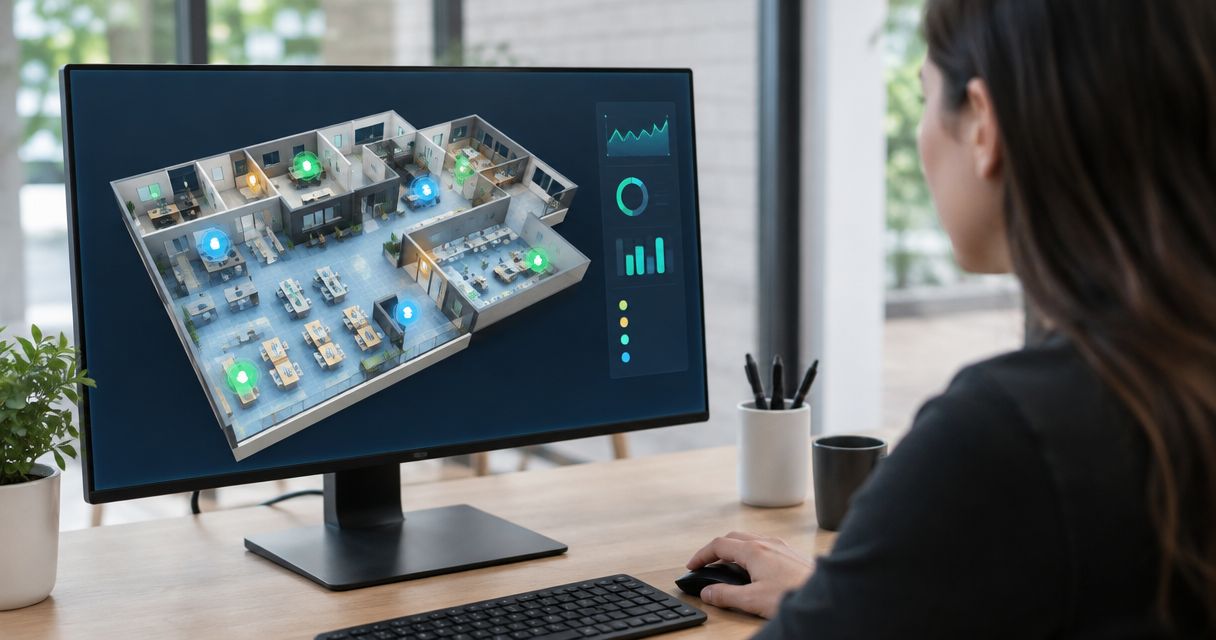
The Kilo IoT Platform runs a built-in LoRaWAN and mioty network server alongside an MQTT connector, so wireless hopper or mold-water sensors and existing PLC data over MQTT land in the same dashboard instead of three separate ones. A digital twin per device, plus a live 3D building twin, lets an engineer see which press on which line is stalled rather than chasing a bare device ID.
The visual rules engine uses CEL expressions with version control, one-click deploy and rollback, and step-through debugging against a recorded test payload — a plant can simulate a barrel temperature alarm rule before trusting it on a night shift with nobody watching. Alarms escalate through five severity tiers to email, SMS, or push, with quiet hours so a minor pressure blip doesn't page the maintenance manager at 2 a.m.
Kilo IoT Platform pros:
- LoRaWAN, mioty, and MQTT in one platform, no separate network server to deploy
- Digital twin per press plus a 3D building twin for multi-line plants
- Rules engine with rollback and step-through debugging before a rule goes live
- Built-in AI assistant that drafts rules and alarms from a plain-language request, scoped to the signed-in user's permissions
- A free tier that never expires and needs no card, enough to pilot one press before scaling
Kilo IoT Platform cons:
- mioty and LoRaWAN sensors report on a configured interval, not the millisecond loop the press's own servo drive runs — it complements the machine controller, it doesn't replace it
- No predictive failure modeling; a CEL rule fires on a threshold you set and escalates from there
- Hardware ships through Kilo Electronics rather than Kilo directly
Best for: plants running mixed machine brands, multiple buildings, or a retrofit where pulling new cable isn't an option.
Which IoT platform fits a plastics or injection molding plant?
Match the platform to the actual shape of the plant, not the longest feature list:
- One line, one machine brand, basic trend data — the historian bundled with the press controller already covers it.
- Tracking totes, pallets, or delivery trailers leaving the plant — a cellular-IoT connectivity platform, separate from press monitoring.
- One isolated problem, like resin room humidity — a LoRaWAN-only sensor deployment.
- Mixed machine brands, multiple buildings, or a retrofit that can't take new conduit — a multi-protocol platform such as the Kilo IoT Platform that runs LoRaWAN, mioty, and MQTT together and still reads the PLC over Modbus or OPC-UA.
Sensors for hopper temperature, vibration, and compressed air pressure ship worldwide through Kilo Electronics, Kilo's hardware partner, if the plant needs to add points beyond what the existing PLC already senses.
The same multi-protocol logic that fits a plastics plant shows up across other manufacturing verticals — see how it plays out in an industrial IoT platform for food and beverage manufacturers.
FAQ
What is the best IoT platform for injection molding manufacturers in 2026?
It depends on the plant's fleet. A single machine brand does fine on its own historian; mixed-brand plants and multi-site rollouts need a multi-protocol platform such as the Kilo IoT Platform that combines LoRaWAN, mioty, and MQTT in one dashboard.
Can an IoT platform read data from an existing injection molding PLC?
Yes, through an MQTT connector that publishes tags from a PLC, energy meter, or building management system into the platform without replacing the controller.
How does LoRaWAN compare to mioty for a plastics manufacturing plant?
Both are low-power wireless protocols for sensors that don't need constant power or wiring. mioty handles dense, interference-heavy industrial floors better; LoRaWAN has broader off-the-shelf sensor availability. A platform with a built-in network server for both avoids locking into one.
Does an IoT platform replace the injection molding machine's own controller?
No. The machine's PLC or servo drive still runs the millisecond-level control loop for injection speed and pressure. The IoT platform layers monitoring, alarms, and cross-machine visibility on top of that.
How much compressed air does a leak waste in a manufacturing plant?
The U.S. Department of Energy's Advanced Manufacturing Office estimates untreated leaks can waste 20 to 30 percent of a compressed air system's total output, which matters directly for plants running pneumatic ejectors and robots.
What sensors matter most for injection molding machine monitoring?
Barrel and nozzle temperature, mold and cooling water temperature, hydraulic pressure, vibration on the screw drive motor, and compressed air line pressure cover the failure modes that actually show up as scrap or downtime.
Is cellular IoT connectivity useful for a plastics manufacturing plant?
Mainly for assets that leave the building, like reusable totes or delivery trailers. Fixed presses on a factory floor are better served by a wired MQTT connection or wireless sensors on LoRaWAN or mioty.
Can an IoT platform send alarms for mold temperature drift?
Yes, a threshold or CEL rule can fire on a mold temperature reading outside range and escalate through email, SMS, or push based on severity, with quiet hours so low-priority alerts don't page someone off-shift.
What's the most overlooked sensor point on an injection molding line?
Compressed air. It's generated on-site at real cost per cubic foot, and the DOE's own estimate puts leak losses at 20 to 30 percent of total system output — yet most plants only check pressure at the compressor room, never at the line feeding each press's ejector or robot. A pressure sensor at the point of use, tied to a threshold alarm, catches that loss before it shows up as a bigger utility bill at the end of the month in 2026.