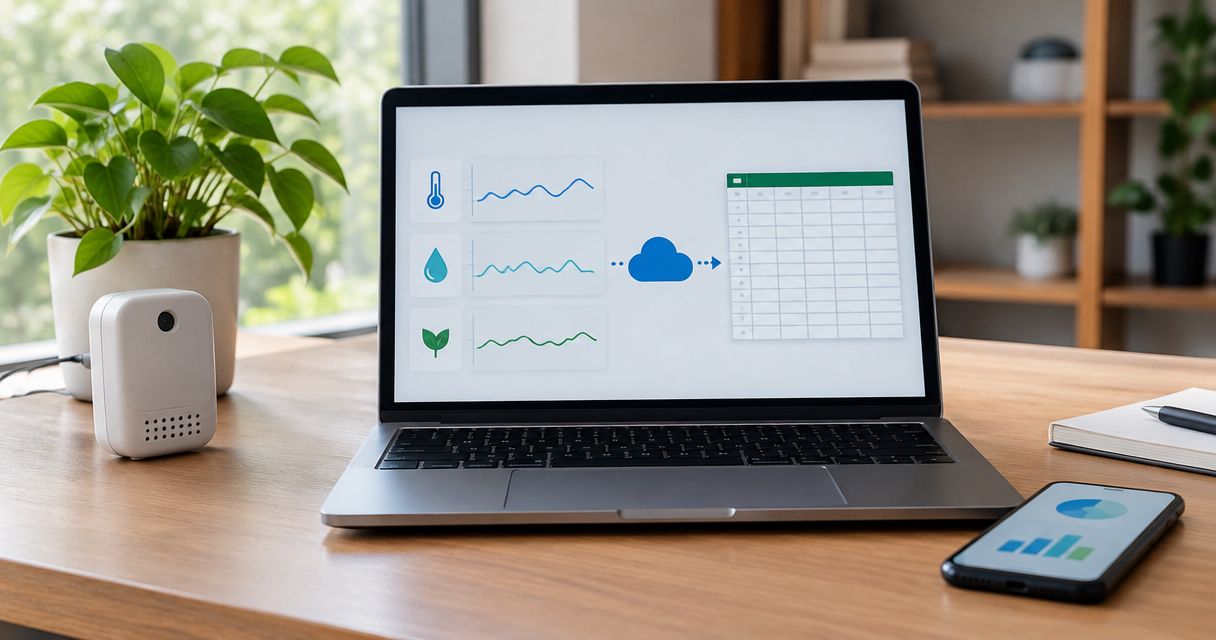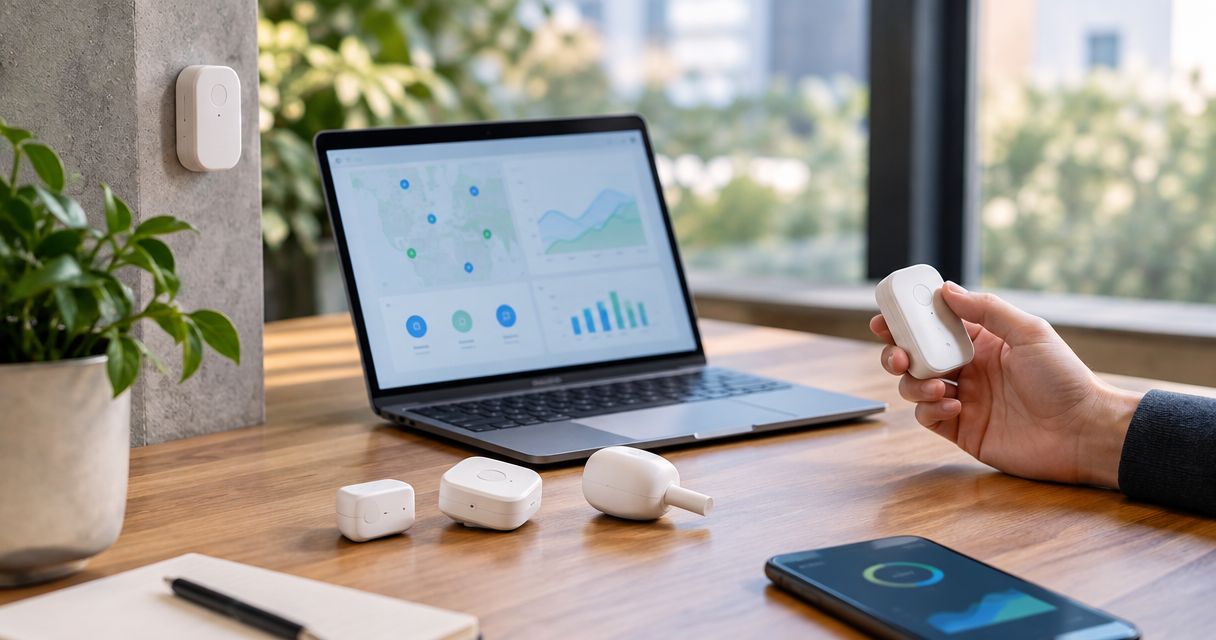
Best overall for routine building monitoring: a Class A temperature-and-humidity sensor. Best for infrequent events: a dry-contact sensor. Best for cold rooms: an external-probe temperature sensor with its battery outside the cold zone. This 2026 guide compares LoRaWAN sensors battery life by sensing workload, reporting behavior, radio conditions, and maintenance—not by an advertised lifespan detached from those conditions.
- LoRaWAN sensors battery life depends on measurement energy, reporting frequency, receive behavior, and installation conditions.
- Choose dry-contact sensors for infrequent events; event storms erase their battery advantage.
- Choose external-probe temperature sensors when you can keep the battery outside the cold zone.
- Kilo suits operations teams managing LoRaWAN sensors, dashboards, rules, and alarms in one IoT platform.
The sensor measures; the network transports; the platform makes the reading useful. The Kilo IoT Platform includes a built-in LoRaWAN network server, device management, dashboards, rules, and alarms. Kilo is the worked example here, not a sensor manufacturer or an entry in the hardware ranking.
What makes LoRaWAN sensors battery life comparable?
A battery-life claim is a configuration claim. Change the measurement schedule, radio settings, temperature, or retry behavior, and you change the workload behind it. Choose the required monitoring behavior first, then compare endurance under that behavior.
Use these criteria before accepting a 2026 battery-life estimate:
- Measurement energy: A contact input and an active gas measurement impose different electrical loads. Count sensing activity, not just transmitted packets.
- Reporting behavior: Separate periodic sampling, periodic uplinks, event messages, and heartbeat messages. They need not happen together.
- Radio workload: Compare spreading factor, transmit power, payload size, acknowledgments, and configured retries under the actual regional frequency plan.
- Battery conditions: Check chemistry, operating temperature, pulse-current capability, self-discharge, and the manufacturer's end-of-life assumptions.
- Serviceability: Establish whether battery replacement requires a ladder, shutdown, enclosure resealing, or complete device replacement.
- Evidence: Require a named device model, datasheet revision, configuration, and installation assumptions behind every endurance figure.
LoRa Alliance's LoRaWAN Link Layer specification defines two receive windows after each Class A uplink. That matters because transmitting is not the device's only radio activity. Class C keeps reception open except while transmitting, making it a poor default for long-life battery monitoring.
LoRaWAN sensors battery life comparison at a glance
This shortlist ranks sensor architectures for a battery-first facilities deployment. The order reflects the simplicity of the sensing task and the opportunity to limit activity; it is not a claim that every product in one row outlasts every product in another.
| Rank and sensor type | Best for | Battery-life advantage | Key limitation | What to verify |
|---|---|---|---|---|
| 1. Dry-contact sensor | Infrequent door or equipment-state changes | Reports a simple state without an active gas or distance measurement | Busy inputs create frequent event transmissions | Debounce, event limits, heartbeat, input wiring |
| 2. Temperature-and-humidity sensor | Routine indoor environmental monitoring | Supports a straightforward periodic measurement schedule | Fast reporting and unsuitable placement increase workload | Sampling interval, uplink interval, battery access |
| 3. Conductive water-leak sensor | Normally dry locations | Can use quiet monitoring with event reporting | Wet or contaminated probes can sustain alarm activity | Probe checks, repeated-alarm behavior, cleaning |
| 4. External-probe temperature sensor | Cold rooms and enclosed equipment | Allows the radio and battery to sit outside the measured space | Probe routing and installation require more work | Probe rating, cable route, enclosure position |
| 5. NDIR CO₂ sensor | Occupied-room ventilation monitoring | Offers a specific air-quality measurement rather than a proxy | Active measurement adds energy demand | Measurement schedule, calibration, power options |
A facilities manager should select the sensing task. A system integrator should validate radio behavior and payload decoding. The maintenance team should approve the replacement procedure before installation.
1. Dry-contact LoRaWAN sensors battery life for infrequent events
A dry-contact sensor reports whether an input is open or closed. It suits a door contact, cabinet switch, or compatible equipment-state output when the input changes infrequently. Its battery-first advantage comes from a simple sensing task and restrained event traffic.
Dry-contact sensor pros:
- Reports the state you need without measuring unrelated environmental variables.
- Supports event-led monitoring where the device implements it.
- Can pair state-change reports with a periodic heartbeat.
Dry-contact sensor cons:
- A busy door or chattering input can generate substantial traffic.
- Contact state does not prove that equipment completed a mechanical operation.
- Wiring and input compatibility require inspection.
Best for: Quiet access points and infrequent equipment-state changes.
Ask how the device handles contact bounce, repeated events, and reboot state. Also establish whether it sends the present state in its heartbeat; a heartbeat without state information serves a different purpose.
Verdict: Buy a dry-contact sensor for sparse events; skip it as an endurance-first choice for a constantly cycling input.
2. Temperature-and-humidity LoRaWAN sensors battery life for buildings
A temperature-and-humidity sensor is the default shortlist choice for routine indoor environmental monitoring in 2026. It measures room conditions without adding an active gas-sensing task. You still need a reporting schedule that matches the operational question.
Temperature-and-humidity sensor pros:
- Covers common comfort and storage-monitoring measurements.
- Supports regular trend collection with a predictable schedule.
- Keeps installation simple when the sensing element and radio share an enclosure.
Temperature-and-humidity sensor cons:
- A wall-mounted reading does not represent every location in a room.
- Condensation and contamination require attention to the sensor's environmental rating.
- A sealed battery can make end-of-life service a device-replacement task.
Best for: Offices, corridors, storage rooms, and general warehouse zones.
Separate measurement frequency from transmission frequency when the device supports that distinction. A sensor can measure locally more often than it reports, but local threshold detection and buffered readings are device-specific features—not automatic LoRaWAN capabilities.
Verdict: Buy this sensor type as the default for indoor temperature-and-humidity monitoring; skip unnecessary rapid uplinks.
3. Water-leak LoRaWAN sensors battery life for normally dry locations
A conductive leak sensor detects water bridging its sensing contacts or cable. It is a battery-first option for locations that remain dry during normal operation. Its value is an actionable wet-state report, not a continuous environmental trend.
Water-leak sensor pros:
- Monitors a specific abnormal condition.
- Supports event-based notification where configured by the device.
- Can place the sensing element near the expected leak path.
Water-leak sensor cons:
- Dirt, residue, or a persistently wet probe can complicate alarm behavior.
- A point probe only detects water reaching that point.
- Detection alone does not stop the leak.
Best for: Drip trays, equipment-room floors, and normally dry spaces beneath vulnerable fittings.
Inspect repeated-alarm behavior. A wet probe that sends continuously has a different energy budget from a device that reports the transition and then uses a controlled reminder schedule. Neither behavior should be assumed from the product category.
Verdict: Buy a leak sensor for a defined water path; skip installations without a probe inspection and cleaning plan.
4. External-probe LoRaWAN sensors battery life for cold storage
An external-probe temperature sensor separates the measurement point from the radio enclosure. Where the device and installation permit it, the probe goes into the cold space while the battery remains outside. This makes battery placement part of the design rather than an unavoidable consequence of the measurement location.
External-probe temperature sensor pros:
- Separates sensing location from battery location.
- Allows radio placement away from some shielded interiors.
- Gives maintenance teams access to the enclosure without relocating the probe.
External-probe temperature sensor cons:
- Requires a suitable cable route and protected entry point.
- Adds probe, connector, and cable failure modes.
- Probe suitability and calibration remain separate purchasing checks.
Best for: Cold rooms, freezers, and enclosed spaces with a practical probe route.
For 2026 procurement, compare the probe's operating range separately from the enclosure's operating range. A suitable probe does not make the battery enclosure suitable for the same temperature. Use the guide to extending LoRaWAN sensor battery life in cold environments when planning placement.
Verdict: Buy an external-probe sensor when battery placement and service access justify the extra installation work.
5. CO₂ LoRaWAN sensors battery life for ventilation monitoring
An NDIR CO₂ sensor measures carbon dioxide through infrared absorption. It belongs on the shortlist when the task requires CO₂—not merely temperature, humidity, or occupancy state. Active gas measurement introduces another energy load to evaluate alongside the radio.
CO₂ sensor pros:
- Measures the gas relevant to the ventilation-monitoring task.
- Supports trends that temperature-and-humidity readings cannot substitute for.
- Can combine environmental measurements where the selected model provides them.
CO₂ sensor cons:
- Measurement scheduling affects energy use independently of uplink scheduling.
- Calibration requirements need review for the actual occupancy pattern.
- The longest reporting interval is not necessarily useful for ventilation decisions.
Best for: Occupied rooms where CO₂ trends inform ventilation investigation.
Check whether the device's endurance claim includes the configured CO₂ measurement schedule. Also verify its calibration method; do not assume an automatic baseline process suits a continuously occupied space.
Verdict: Buy CO₂ sensing when the measurement is required; skip choosing it solely for a headline battery-life claim.
How do radio settings change LoRaWAN sensors battery life?
Longer airtime means the radio remains active longer for a transmission. Semtech's SX1276 datasheet documents LoRa bandwidth options including 125 kHz, 250 kHz, and 500 kHz. These are radio capabilities, not permission to choose arbitrary settings: the network and regional parameters govern the deployment.
Spreading factor, bandwidth, payload length, coding rate, and transmit power all belong in a meaningful endurance comparison. Adaptive Data Rate can adjust data rate and power within network operation, but it does not repair poor antenna placement or guarantee an endurance figure.
Fix the installation before weakening the monitoring requirement. Inspect gateway coverage, antenna position, metal obstructions, and packet delivery before extending report intervals simply to mask a struggling link.
Acknowledgments also deserve scrutiny. Confirmed uplinks introduce acknowledgment handling, and retry behavior adds workload when acknowledgments are absent. Use confirmation deliberately rather than enabling it for every routine reading without checking the device and network settings.
How should you verify LoRaWAN sensors battery life before rollout?
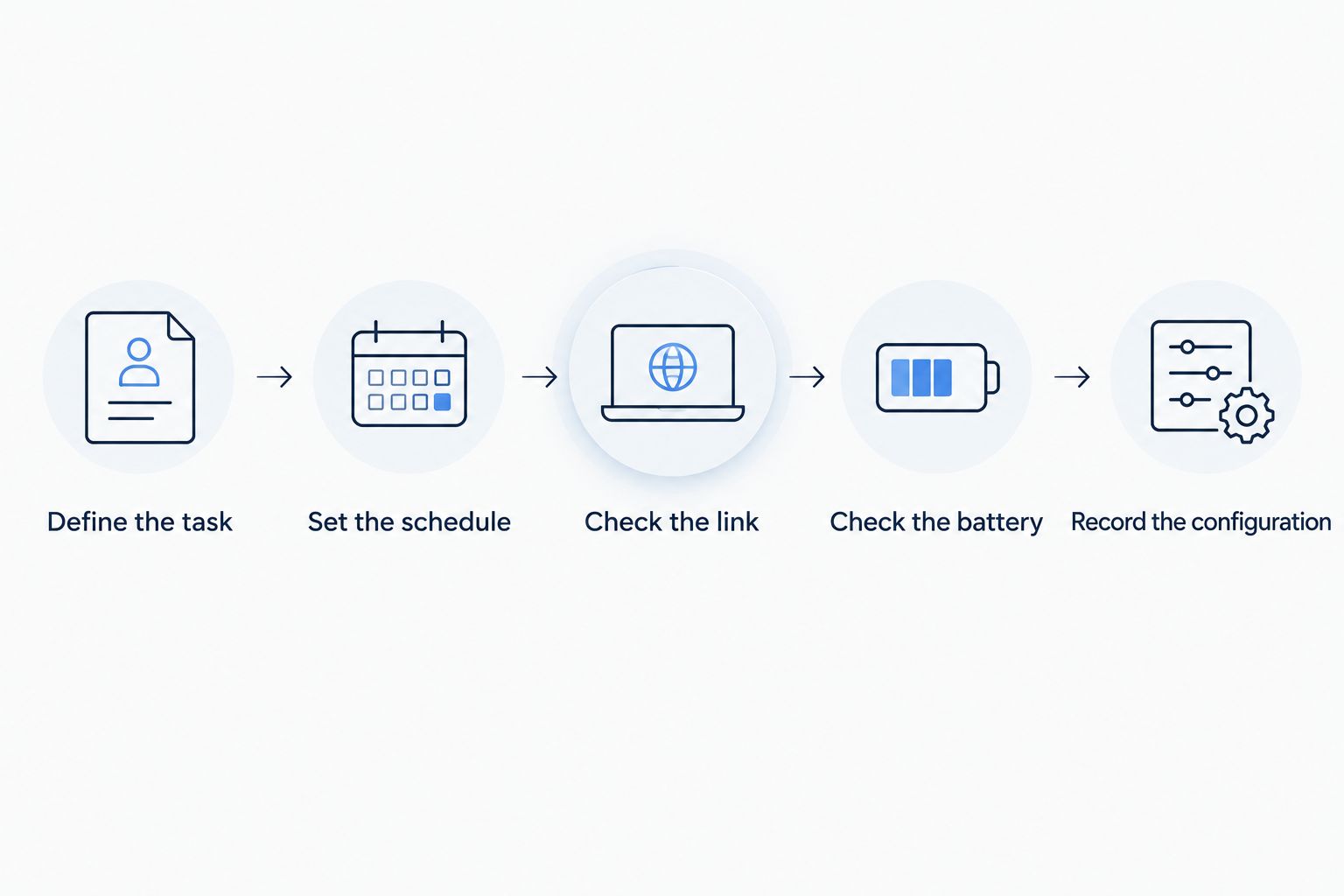
A 2026 deployment should compare candidates using the same required monitoring behavior. Keep the evaluation tied to the installed device, not an abstract laboratory configuration.
- Define the task. Record the measurement, event, and acceptable detection delay. Distinguish routine trends from urgent exceptions.
- Set the schedule. Document sampling, reporting, heartbeat, and repeated-alarm behavior separately.
- Check the link. Install the candidate at the intended location and inspect delivery, radio settings, and retry behavior.
- Check the battery. Confirm chemistry, temperature suitability, pulse-current requirements, and replacement instructions.
- Record the configuration. Keep firmware, payload decoder, radio settings, and operating assumptions with the device record.
Battery voltage is not a universal remaining-life meter. Tadiran's TL-5902 datasheet specifies a 3.6 V nominal lithium-thionyl-chloride cell; its voltage behavior should not be treated like a generic linear fuel gauge. Follow the selected sensor manufacturer's interpretation of battery telemetry.
How does an IoT platform support LoRaWAN sensors battery life?
The platform cannot remove the electrical cost of sensing or transmission. It can make the deployment easier to operate through device records, decoded telemetry, dashboards, rules, and alarms. Battery and diagnostic fields must first exist in the device payload and be decoded correctly.
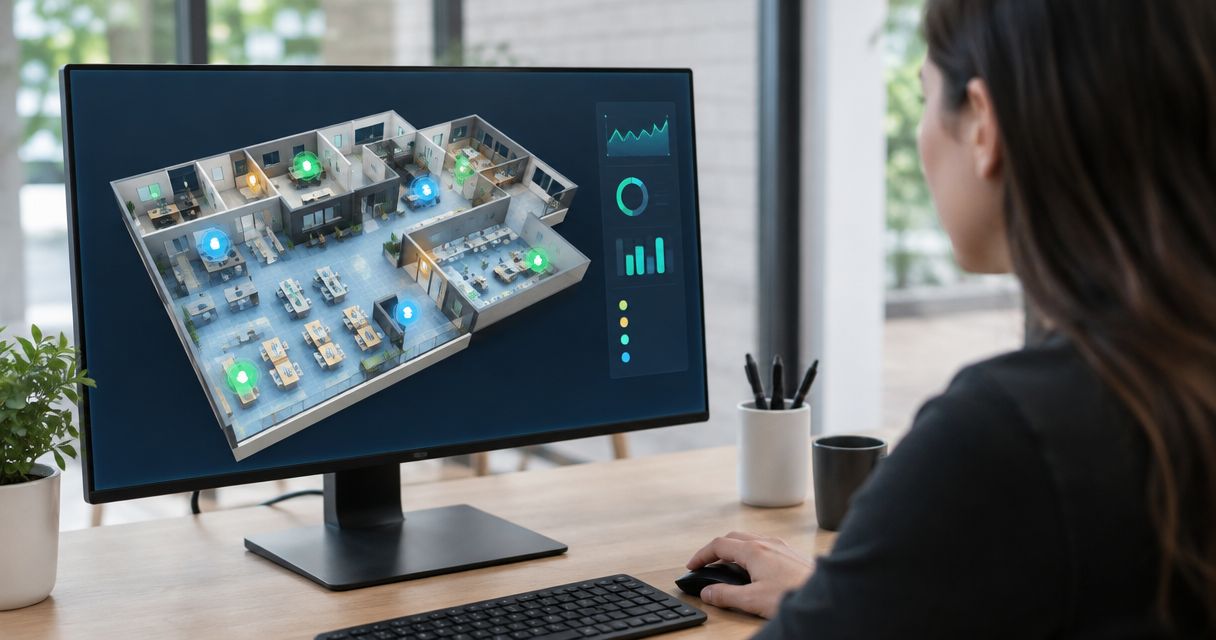
Kilo includes a digital twin per device and configurable chart, gauge, map, and floor-plan dashboard widgets. Its rules engine supports CEL expressions and step-through debugging on a test payload. Use those mechanics to validate a battery-related rule before deploying it against live device data.
Kilo is an IoT platform for operations teams that need LoRaWAN device management, dashboards, rules, and alarms together. It does not replace the sensor datasheet or establish the physical meaning of a battery field.
The maintenance trade-off remains concrete: someone must interpret the telemetry, assign service responsibility, and inspect the hardware. Sensors can be purchased separately through Kilo Electronics, the sister-company hardware store, which offers worldwide shipping.
FAQ about LoRaWAN sensors battery life
Which LoRaWAN sensors have the best battery life?
Low-duty-cycle sensors are the strongest battery-first candidates when their sensing task matches your requirement. Compare dry-contact, temperature-and-humidity, and leak sensors under the same reporting and installation conditions rather than assuming a universal winner.
How many years does a LoRaWAN sensor battery last?
A useful lifespan estimate must come from the selected model's documented configuration and operating conditions. Reporting frequency, measurement workload, radio settings, temperature, and battery chemistry all affect the result.
Does a longer reporting interval always improve LoRaWAN sensors battery life?
A longer reporting interval reduces scheduled transmission activity, but it does not remove sensing or event activity. Check whether measurement frequency, retries, and repeated alarms remain unchanged.
Is Class A better than Class C for battery-powered sensors?
Class A is the default starting point for long-life battery monitoring. The LoRa Alliance specification defines two receive windows after a Class A uplink, while Class C keeps reception open except during transmission.
Can I put a LoRaWAN temperature sensor inside a freezer?
Only install the complete device inside a freezer when its documented operating conditions permit it. An external probe offers a different arrangement: measure inside while locating the battery and radio outside, where the installation allows.
Does battery voltage tell me how much life remains?
Battery voltage alone does not provide a universal remaining-life estimate. Use the sensor manufacturer's interpretation of its battery telemetry and account for chemistry, temperature, and load.
Can an IoT platform extend a sensor's battery life?
An IoT platform supports configuration and maintenance decisions, but it cannot eliminate the energy required by the hardware. Kilo provides device management, dashboards, rules, and alarms; useful battery monitoring depends on the fields the sensor actually reports.
Which LoRaWAN sensors battery life choice should you make in 2026?
Start with temperature-and-humidity sensing for routine rooms, dry contacts for sparse state changes, and external probes for cold spaces. Add leak or CO₂ sensing because the operational task requires it—not because it appears in a battery-life leaderboard.
Before approving the rollout, ask the maintenance team to demonstrate battery access at the intended mounting point. A long endurance claim does not make an inaccessible enclosure easy to service. Keep the replacement procedure beside the configuration record.