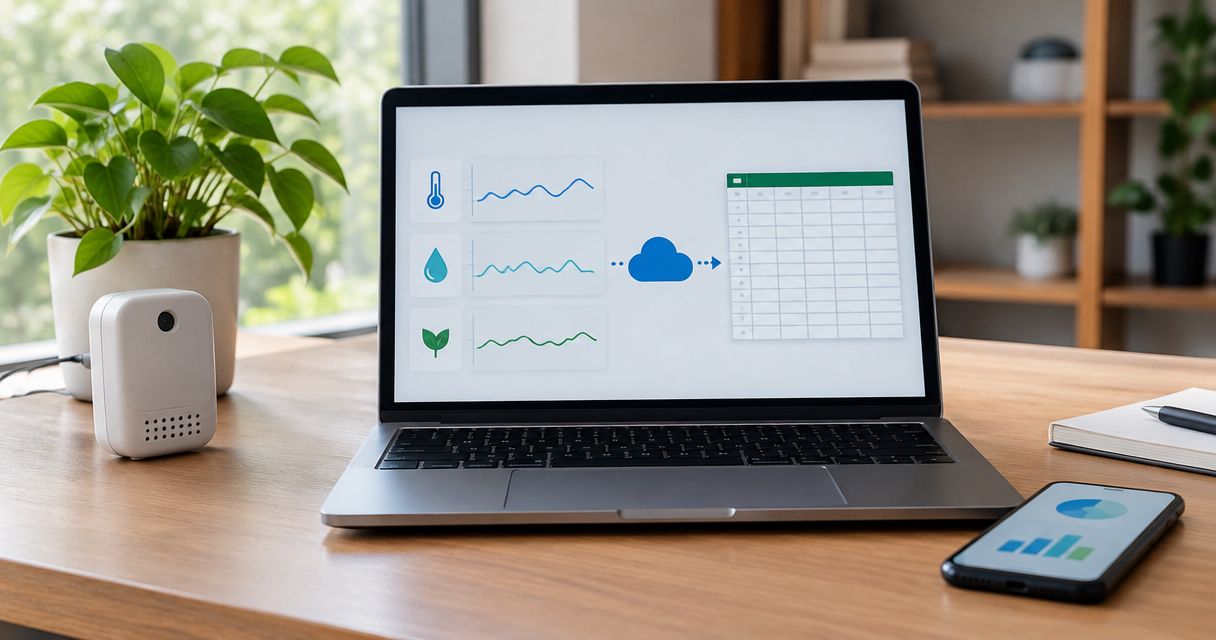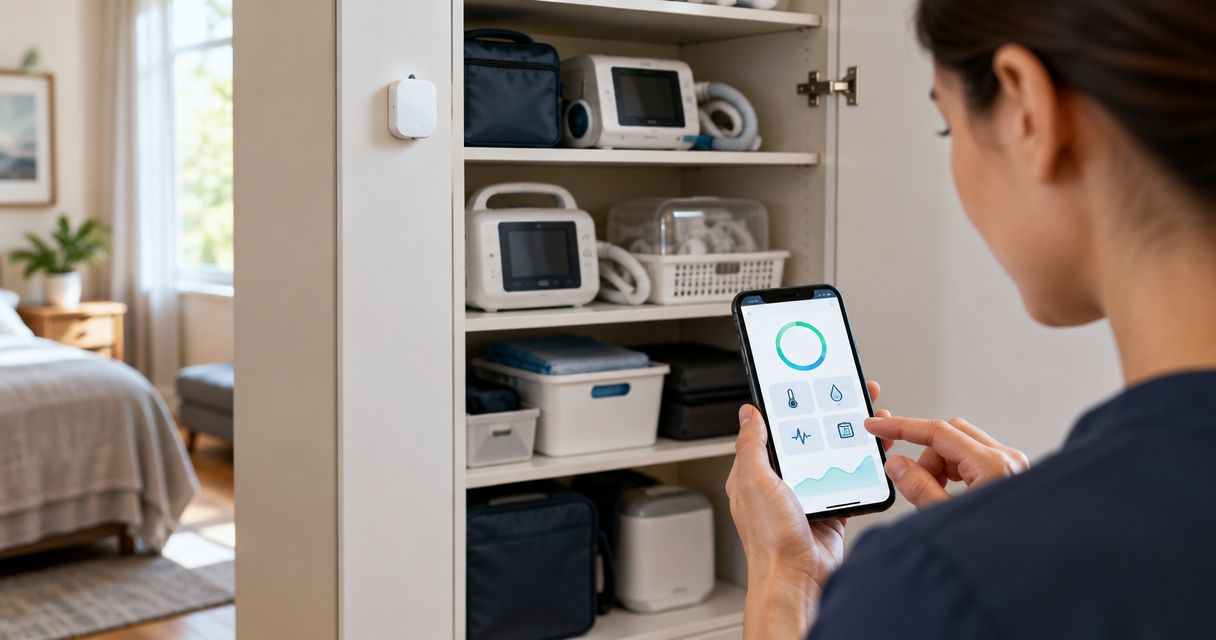
Home health and hospice equipment storage IoT monitoring is continuous environmental sensing with the aim of catching unsafe storage conditions before medication, supplies or equipment are used. It connects temperature, humidity, leak and door sensors across branch offices, supply rooms and refrigerated storage, extending the same monitoring discipline used in hospitals and healthcare facilities to smaller sites with fewer staff on location.
- IoT monitoring for home health equipment storage replaces isolated checks with continuous temperature, humidity, leak and door data.
- CDC guidance sets refrigerated vaccine storage at 2°C to 8°C, with readings recorded at least every 30 minutes.
- Kilo is best for multi-site operators that need LoRaWAN, mioty or MQTT sensors, shared dashboards and escalated alarms.
- A 2026 deployment should separate monitoring thresholds by medication, equipment type, room and branch office.
Why does IoT monitoring matter for home health equipment storage?
Home health and hospice operations distribute medication, durable medical equipment and clinical supplies from locations that lack a hospital's constant staffing. A refrigerator can drift overnight. A basement supply room can develop a leak over a weekend. A comfort-kit cabinet can remain open without anyone noticing until the next shift.
The CDC Vaccine Storage and Handling Toolkit, accessed in 2026, specifies 2°C to 8°C, or 36°F to 46°F, for refrigerated vaccines. It recommends digital data loggers with readings recorded at least every 30 minutes. Those figures apply to vaccine storage; every other medication must follow its manufacturer-approved label.
USP General Chapter <659>, current in 2026, defines controlled room temperature as 20°C to 25°C, or 68°F to 77°F. That standard does not make one room-temperature threshold correct for every medication or device. It gives operations teams a recognized starting point while product labels, equipment manuals and organizational policies determine the actual limits.
Continuous monitoring does not replace daily inspection, medication handling procedures, locks or controlled-substance records. It closes the time between inspections and creates timestamped evidence showing what the storage environment did while nobody was in the room.
How do you set up IoT monitoring for home health equipment storage?
Start with the storage process, not the platform. The 2026 design should identify what is stored, what can damage it, who owns the response and what evidence must remain after an alarm.
Inventory every storage location
Walk each branch and list every location containing medication, clean equipment, quarantined equipment or supplies. Include refrigerators inside locked rooms and closets that are easy to miss on a floor plan. A spreadsheet is enough for the first pass; the purpose is to find monitoring gaps before hardware is assigned.
- Record the branch, room and storage unit
- Name the medication, supply or equipment category
- Identify the responsible operations or clinical owner
- Separate clean, returned and quarantined equipment
- Mark locations left unattended overnight
Assign the correct condition to each item
Do not copy the vaccine range onto every storage location. Use the medication label, equipment manual, CDC guidance or the applicable USP condition. Durable equipment can have storage limits that differ from its operating limits, while packaging and disposable supplies can be sensitive to moisture or water intrusion.
- Use 2°C to 8°C only where refrigerated-product guidance requires it
- Record both temperature and humidity limits from equipment manuals
- Define leak detection for floors near plumbing or drains
- Treat door status as an operational signal, not proof of unauthorized access
- Document the source behind every threshold
Compare manual checks with continuous sensors
Manual checks remain useful for seals, packaging, cleanliness and visible damage. They fail as the only environmental record because they show one moment rather than the interval between checks. The practical migration path is to preserve the inspection checklist while automating readings, alarms and history, as explained in this guide to moving from manual logbooks to IoT monitoring.
- Keep visual inspections for conditions a sensor cannot see
- Use a digital data logger for continuous refrigerator readings
- Add humidity sensing where product or equipment limits require it
- Add leak sensors below vulnerable storage areas
- Retire duplicate paper readings only after validation
Select sensors and test radio coverage
The Kilo IoT Platform can receive LoRaWAN and mioty devices through its built-in network servers, so there is no separate network server to deploy. Its MQTT connector also accepts data from publishing devices and building systems. Sensors and gateways can be sourced through Kilo Electronics, the separate hardware supplier.
Place probes where they measure the stored environment rather than the hallway outside it. Then test coverage with doors closed, refrigerators running and the room in its normal configuration.
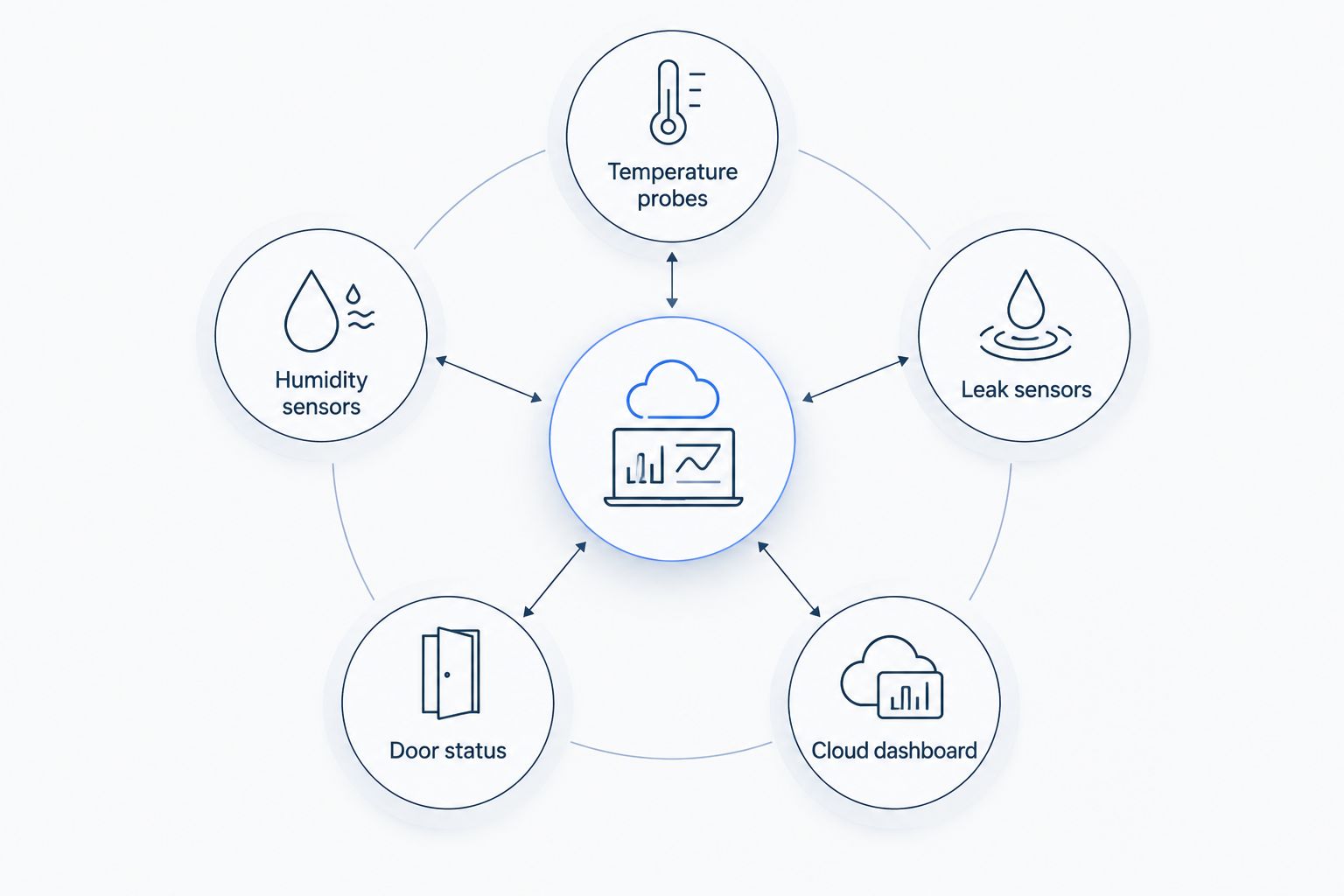
- Match the sensor's rated environment to its placement
- Use an external probe when the transmitter must remain outside a refrigerator
- Test closed-door coverage before fixing the mounting position
- Label each device with its branch and storage unit
- Confirm the reporting interval after installation
Build alarms around the response workflow
An alert needs an owner, a deadline and an escalation path. In Kilo, alarms support five severity tiers, email, SMS, push notifications, quiet hours and multi-step escalation chains. A threshold or CEL rule can evaluate incoming telemetry, but the agency still defines the approved response for medication or equipment affected by an excursion.
- Send the first alert to the local branch owner
- Escalate unacknowledged critical alarms to the on-call role
- Separate warnings from confirmed threshold breaches
- Add a delay only when the storage policy permits it
- Test each channel with the intended recipient
Create dashboards and permission boundaries
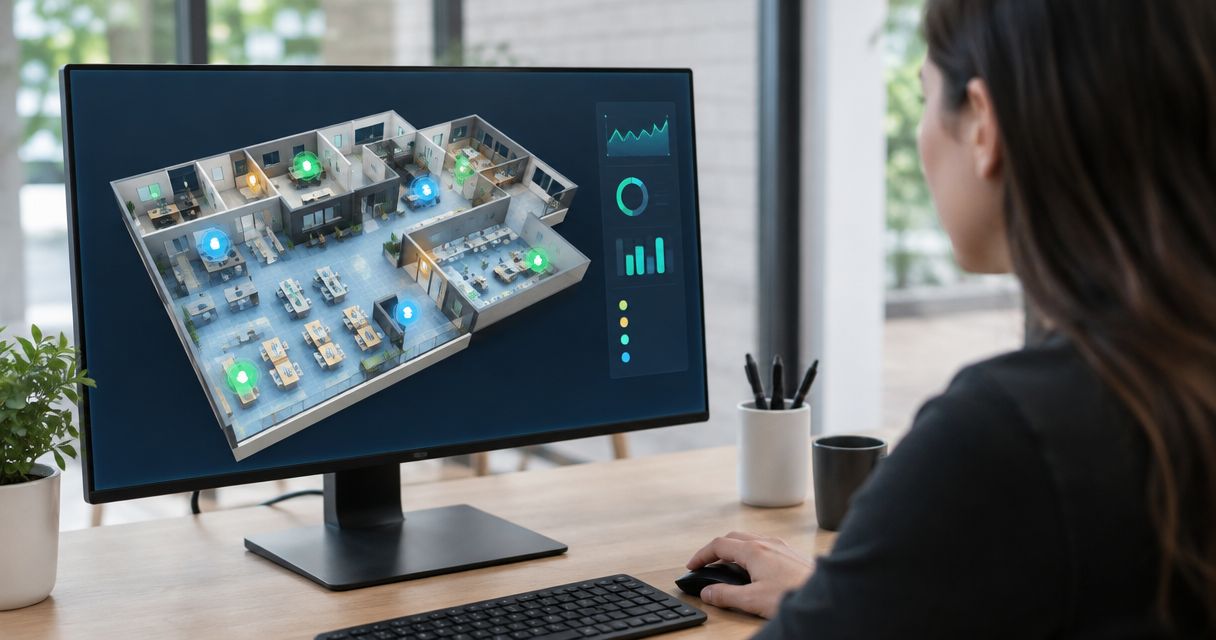
A multi-site view should reveal which branch needs attention without exposing every location to every user. Kilo assigns a digital twin to each device and supports configurable maps, charts, floor-plan pins, gauges and control widgets. ABAC multi-tenant access control can scope platform access by the organization's defined boundaries.
- Build a headquarters view across all branches
- Give branch teams access to their assigned devices
- Show current status beside recent history
- Keep alarm acknowledgments in the centralized inbox
- Review access when staff roles change
Validate the complete monitoring loop
Testing ends only after a real sensor condition produces the expected record and notification. Simulate a permitted threshold breach, inspect the timestamp, acknowledge the alarm and verify that escalation behaves as designed. Repeat this process after rule changes, sensor replacement or major storage-room work.
- Test high and low temperature conditions safely
- Trigger door and leak sensors separately
- Confirm notification delivery to every escalation step
- Check that history uses the correct device and location
- Record the validation date and responsible role
Which IoT monitoring option fits home health equipment storage?
The correct option depends on the number of sites, whether off-hours alarms are required and how much historical evidence the organization needs. A local logger can suit one refrigerator. It becomes difficult to manage when the same process spans branch offices and supply rooms.
| Option | Best for | Key limitation |
|---|---|---|
| Manual inspection log | Visual checks and a small attended storage room | Shows conditions only when someone checks |
| Local digital data logger | One refrigerator needing continuous local history | Data and alarms can remain isolated at the device |
| Existing building system | A single owned facility with available sensor points | Often does not extend into leased branches or mobile operations |
| Kilo IoT Platform | Multi-site IoT monitoring with shared rules, dashboards and escalation | Requires compatible sensors, tested coverage and assigned alarm owners |
Kilo is best for home health and hospice operators that need one IoT monitoring workflow across multiple storage locations. Its limitation is the same as any remote monitoring system: a dashboard cannot correct an excursion unless a trained person receives the alarm and follows the approved response procedure.
Build your storage monitoring workflow
Connect sensors, dashboards, rules and escalated alarms across every storage location.
What IoT monitoring mistakes affect home health equipment storage?
Applying one temperature range everywhere
A vaccine refrigerator, room-temperature medication cabinet and equipment storeroom do not share one universal limit. Copying a single range across them creates noisy alarms in some rooms and misses meaningful excursions in others. Every 2026 threshold should point back to a label, manual, standard or written policy.
Treating an alert as proof that someone responded
An email sent at night is not a completed response. Critical alarms need acknowledgment, escalation and a defined role responsible for inspecting the affected storage point. The platform record documents the alarm workflow; the agency documents what happened to the medication or equipment.
Mounting a sensor without validating placement
A probe beside a cooling outlet can report a different condition from the stored product. A radio test performed with doors open can also hide a coverage problem. Validate placement under normal operating conditions and follow the sensor and equipment manufacturers' instructions.
Using door status as an access-control record
A door sensor shows open and closed events. It does not identify who opened the cabinet, prove authorization or replace required locks and controlled-substance documentation. Keep the claim narrow and use the signal to identify unexpected duration or timing.
Leaving alarm rules unchanged after operations move
A branch relocation, new refrigerator or changed on-call roster can break a previously valid workflow. Review recipients, thresholds, device names and escalation steps whenever the physical storage process changes.
IoT monitoring for home health equipment storage FAQ
What is IoT monitoring for home health equipment storage?
It is continuous monitoring of storage conditions through connected temperature, humidity, leak and door sensors. A cloud platform records the readings and alerts assigned staff when a configured rule is triggered.
What temperature should a home health medication refrigerator maintain?
Refrigerated vaccines must remain between 2°C and 8°C under CDC guidance. Other medications must follow their manufacturer-approved storage labels rather than automatically using the vaccine range.
How often should a vaccine refrigerator record temperature?
The CDC recommends a digital data logger that records temperature at least every 30 minutes. Staff should also follow current CDC procedures for reviewing minimum and maximum readings.
Can IoT sensors replace manual equipment inspections?
No. Sensors record measurable conditions, while staff inspections identify packaging damage, cleanliness, expired supplies and other visible problems that environmental sensors cannot determine.
Should hospice comfort-kit cabinets use door sensors?
A door sensor can identify unexpected opening or prolonged door-open conditions. It does not identify the person involved and does not replace locks, access controls or controlled-substance records.
Which wireless protocol works for branch storage monitoring?
LoRaWAN and mioty suit battery-powered environmental sensors, while MQTT connects devices that already publish telemetry. The final choice depends on compatible hardware, building coverage and reporting requirements.
How should a multi-site agency test its alarms?
Trigger each permitted sensor condition and verify the rule, notification, acknowledgment and escalation path. Repeat validation after sensor replacement, rule changes or changes to the on-call roster.
What records should an IoT storage system retain?
Retain timestamped readings, alarm events, acknowledgments, rule versions and documented validation results according to organizational and regulatory retention policies. The required duration depends on the stored item and applicable oversight.
What should a 2026 IoT monitoring plan prove?
Do not end commissioning when the dashboard shows a green status. Prove that a sensor can report an unsafe condition, the correct rule can classify it, the assigned person can receive it and the organization can retrieve the resulting history later.
The strongest 2026 test uses one named storage unit from each branch and follows its data from sensor to final record. That exposes incorrect labels, weak radio coverage, outdated phone numbers and missing permissions before a real excursion does.