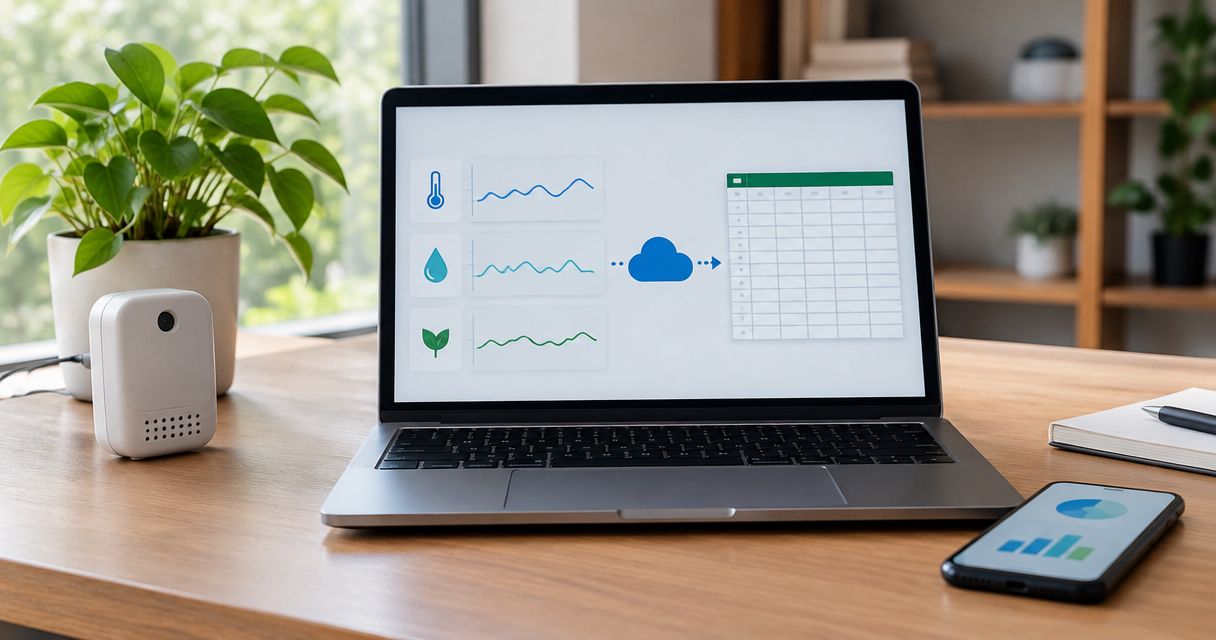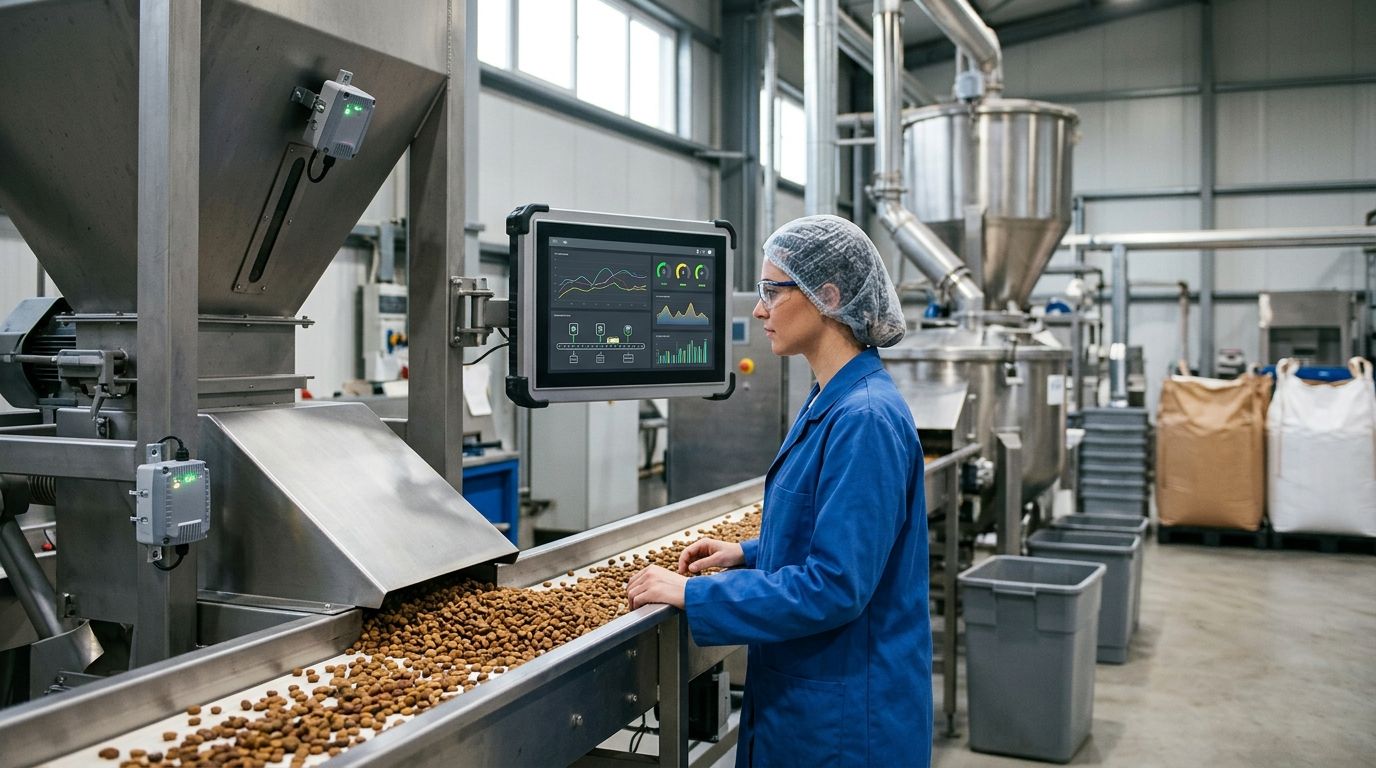
Pet food manufacturing IoT monitoring is continuous sensor-based oversight of ingredients, storage areas, utilities, and production equipment with the aim of detecting unsafe conditions and documenting the response. Pet food and animal feed plants need to monitor both perishable inputs and dry ingredients, so one temperature-only system leaves major risks uncovered.
- IoT monitoring for pet food manufacturing should cover receiving, cold rooms, silos, processing lines, utilities, and finished-goods storage.
- FDA 21 CFR Part 507 makes documented monitoring and corrective-action records central to animal food safety controls.
- The Kilo IoT Platform connects LoRaWAN, mioty, and MQTT data with dashboards, rules, alarms, and governed device commands.
- A 2026 deployment should treat missing data as an alarm condition, not an empty dashboard tile.
- Sensors support HACCP and FSMA records, but they do not replace validation, calibration, inspections, or operator judgment.
Why does IoT monitoring for pet food manufacturing matter?
Covered animal food facilities operate under FDA requirements in 21 CFR Part 507, which addresses current good manufacturing practice, hazard analysis, and risk-based preventive controls. The food safety plan determines which hazards require preventive controls, how those controls are monitored, and what records demonstrate that the work happened.
That changes the purpose of a sensor. It is not just a live number on a screen. It becomes part of the evidence showing when a cold room warmed, how long the condition lasted, who received the alarm, and whether the next reading returned to the approved range.
The Codex General Principles of Food Hygiene organizes HACCP around 7 principles, including critical limits, monitoring, corrective action, verification, and records. IoT supports those activities by collecting consistent time-stamped data. The quality team still owns the hazard analysis and decides which measurements matter.
Combustible dust requires separate attention. NFPA 660, published in its 2025 edition as the consolidated standard for combustible dusts and particulate solids, covers hazards relevant to facilities handling grain, powdered ingredients, and other combustible particulate solids. General temperature, differential-pressure, and equipment-condition sensors provide operational context, but they do not replace a dust hazard analysis or required fire and explosion safeguards.
For a broader manufacturing architecture, see this guide to an industrial IoT platform for food and beverage manufacturers.
How do you set up IoT monitoring for pet food manufacturing?
Start with the food safety plan, process flow, equipment list, and existing operator rounds. The goal in 2026 is not to place a sensor everywhere. It is to connect each monitored point to a defined hazard, operating limit, owner, response, and verification method.
Map every monitored process point
Walk the process from receiving through finished-goods storage. Mark where ingredients can warm, absorb moisture, bridge inside a bin, leak, become contaminated, or stop moving as expected.
Include quality, operations, maintenance, controls engineering, environmental health and safety, and sanitation staff in the mapping session. Each team sees different failure modes.
- Record receiving docks, cold rooms, freezers, silos, bins, batching areas, extruders, dryers, coolers, and packaging rooms
- Identify existing PLC, BMS, energy-meter, and standalone logger data that already exists
- Note sensor mounting constraints, washdown exposure, condensation, metal shielding, and gateway locations
- Assign each point a process owner and a response owner
- Separate food safety measurements from equipment and energy measurements
Define limits and manual response procedures
Write the response before automating the alarm. A threshold without an owner and action creates noise rather than control.
Use approved supplier specifications, the facility food safety plan, validated process limits, and equipment documentation. Do not copy a temperature or moisture limit from another plant simply because it uses a similar ingredient.
An illustrative rule might read: alert when a monitored point remains above 8°C for 10 minutes. Those values are examples, not universal pet food limits. The plant's validated limit must replace them.
- Define warning, action, and critical conditions for each monitored point
- State how long a condition must persist before escalation
- Name the person or role responsible during every shift
- Document the immediate check, product-hold decision, and escalation path
- Specify what evidence closes the event, such as an inspection or subsequent stable telemetry
Connect sensors and existing equipment data
The Kilo IoT Platform provides built-in LoRaWAN and mioty network servers, so those deployments do not require a separate external network server. MQTT connects publishing devices, PLCs, energy meters, and building management systems.
Choose connectivity after a site survey. Metal walls, machinery, ingredient bins, distance, and gateway placement affect radio performance. Wired equipment data can remain useful alongside wireless sensors when both are normalized into device records.
- Use temperature and humidity sensors for cold rooms, dry stores, and sensitive production zones
- Use door contacts to distinguish an open-door event from refrigeration drift
- Use bin temperature, level, pressure, current, or vibration measurements where the process risk requires them
- Test LoRaWAN or mioty coverage at the final mounting position before scaling the rollout
- Connect compatible existing controls through MQTT instead of duplicating every measurement
- Confirm every device has reported valid data before treating the dashboard as operational
Build rules, alarms, and escalation paths
A good alarm describes the condition, affected asset, duration, severity, and required first check. It should not force the responder to open three systems just to understand what happened.
Kilo supports a visual BPMN rules engine with CEL expressions, version control, one-click deployment and rollback, and step-through debugging against a test payload. Its alarm system provides 5 severity tiers, multi-step escalation, email, SMS, push notifications, quiet hours, and a centralized inbox.
- Test every rule with normal, warning, critical, stale, and missing-data payloads
- Add persistence logic so a brief reading fluctuation does not trigger a critical escalation
- Route food safety alarms to quality and equipment alarms to maintenance
- Escalate unacknowledged critical events to the next responsible role
- Version rule changes and keep rollback available during commissioning
- Review alarm frequency by asset to find bad thresholds and failing sensors
Verify sensors, commands, and records
Calibration and verification are different tasks. Calibration checks measurement accuracy against a reference; verification checks whether the complete monitoring control works as intended.
Follow the sensor manufacturer's documented calibration process and the facility's approved schedule. The guide to calibrating IoT sensors for accurate long-term readings explains how to structure that work without treating dashboard visibility as proof of accuracy.
Configured device commands also need boundaries. Named typed commands should validate parameters before execution. An accepted or delivered command does not prove that physical equipment changed state; use device feedback or subsequent telemetry where available.
- Compare installed sensors against a traceable reference under the approved procedure
- Record calibration date, result, adjustment, and next required check
- Trigger test alarms and confirm each escalation recipient receives them
- Test configured commands with approved parameters before production use
- Check device feedback or subsequent telemetry after a command
- Retain monitoring, alarm, rule-version, and execution records for review
Organize dashboards by operational decision
A dashboard should answer a shift question quickly: which cold room needs inspection, which bin is trending outside its normal band, or which device has stopped reporting?
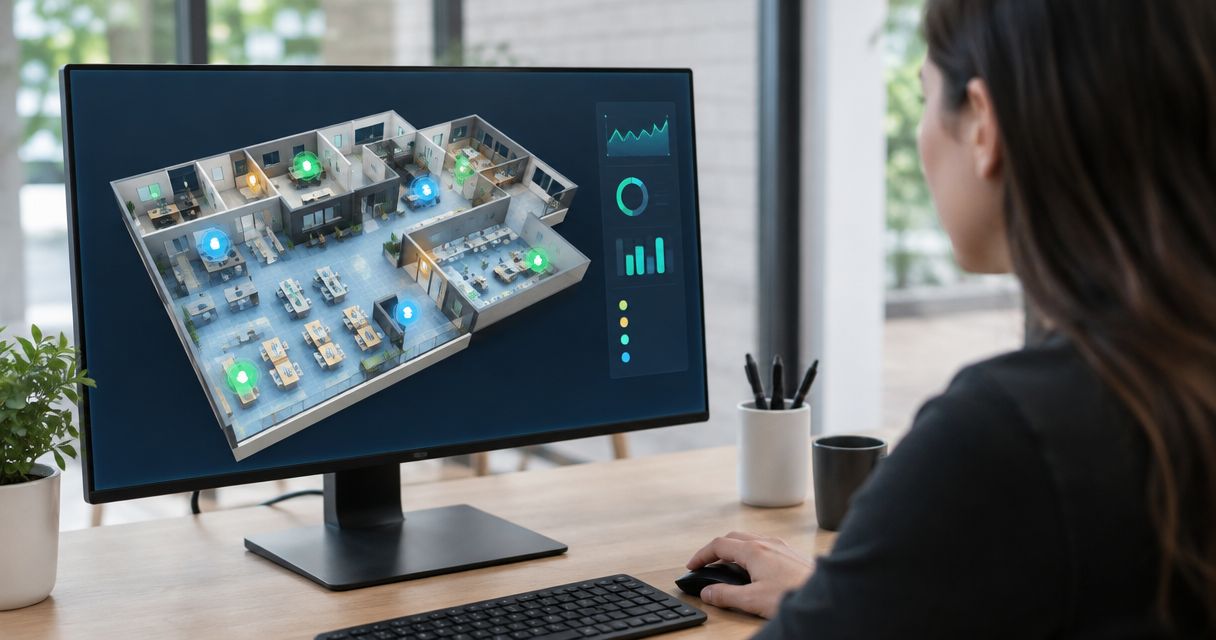
Kilo provides configurable map, chart, image floor-plan pin, gauge, and control widgets. A digital twin exists per device, while a live 3D digital building twin can bind sensors to physical objects. The built-in assistant can onboard devices, create rules, and create alarms within the signed-in user's permissions, with confirmation before consequential actions.
- Build separate quality, maintenance, utilities, and site-overview views
- Show current state, recent trend, alarm state, and last valid timestamp together
- Group assets by plant, building, line, room, and process stage
- Use floor-plan pins where equipment names alone do not identify location clearly
- Restrict controls and configuration changes by organization and user permissions
- Schedule a 2026 dashboard review with the people who respond to alarms
Build a monitored process
Connect plant telemetry to governed rules, alarms, dashboards, and device records.
Which IoT monitoring options fit pet food manufacturing?
A 2026 plant can combine multiple approaches. The correct choice depends on the number of process points, existing automation, audit needs, and the speed required for alarm escalation.
| Option | Best for | Main strength | Key limitation |
|---|---|---|---|
| Manual rounds and paper forms | Small processes with few monitored points | Simple to start and easy for operators to understand | Conditions between rounds remain invisible, and records require manual review |
| Standalone data loggers | One cold room, warehouse zone, or validation study | Creates a local measurement history without a plant-wide project | Data retrieval, alarm routing, and cross-site comparison remain fragmented |
| Existing PLC, SCADA, or BMS | Production lines with established controls and wired instrumentation | Reuses installed equipment signals and operator workflows | Remote areas and new wireless points can require added integration work |
| Multi-protocol IoT platform | Plants combining wireless sensors, PLC data, alarms, and multiple sites | Centralizes device records, rules, permissions, dashboards, and history | Requires coverage testing, point naming, alarm ownership, and commissioning |
Kilo is best for operations and quality teams that need one governed IoT monitoring layer across cold rooms, dry storage, and processing equipment. Its limitation is the same one every plant-wide system faces: poor sensor placement or undefined response ownership cannot be fixed by software.
What mistakes undermine IoT monitoring for pet food manufacturing?
Monitoring temperature without monitoring data loss
A stable line on a dashboard can represent a stable room, a frozen last value, or a disconnected sensor. Every critical point needs a stale-data rule based on its expected reporting interval.
Treating moisture as proof of mycotoxin status
Moisture and temperature indicate storage conditions that support risk management. They do not directly prove that an ingredient lot is free from aflatoxin, deoxynivalenol, or another mycotoxin. Sampling and approved analytical methods remain necessary where the food safety plan requires them.
Sending every alarm to the same inbox
Quality, maintenance, sanitation, and plant management need different events. Routing everything to one shared mailbox produces alarm fatigue and unclear accountability.
Skipping commissioning after installation
A device shown as online has not necessarily been mounted correctly, calibrated, mapped to the right asset, or tested through the full escalation chain. Commission the sensor, rule, alarm, recipient, and record as one control.
Assuming command delivery proves physical action
A platform can record that a configured command was accepted or delivered. Physical state must be checked through device feedback or subsequent telemetry where supported.
IoT monitoring for pet food manufacturing FAQ
What is IoT monitoring for pet food manufacturing?
IoT monitoring for pet food manufacturing uses connected sensors and equipment data to track storage, processing, utilities, and facility conditions. Rules turn that telemetry into alarms, records, and defined operator responses.
Which sensors are useful in a pet food or animal feed plant?
Common measurements include temperature, humidity, door state, bin temperature, level, pressure, current, vibration, and water presence. The food safety plan and process risk determine which measurements belong at each location.
Does IoT monitoring replace HACCP records?
No, IoT monitoring supports HACCP records but does not replace the food safety plan, validation, corrective-action decisions, or verification. It supplies consistent time-stamped evidence for the controls the facility has defined.
Can LoRaWAN work inside a metal processing plant?
LoRaWAN can work in industrial buildings, but coverage must be tested at each final sensor position. Metal bins, walls, machinery, antenna placement, and gateway location all affect radio performance.
Can existing PLC data appear beside wireless sensor data?
Yes, publishing PLC and equipment data can connect through MQTT while LoRaWAN or mioty handles wireless devices. The Kilo IoT Platform can place those data sources in shared dashboards and rules.
How should a plant handle a sensor that stops reporting?
Create a stale-data alarm based on the device's expected reporting interval. The response should distinguish a failed sensor, lost radio coverage, gateway issue, and device still waiting for its first valid data.
How do you reduce false alarms in pet food manufacturing?
Use persistence windows, warning levels, equipment operating state, and tested escalation logic instead of one instant threshold. Review repeated alarms and version every rule change so an ineffective configuration can be rolled back.
What should a 2026 IoT monitoring pilot include?
A 2026 pilot should cover one meaningful process area from sensor to response. Test valid readings, missing data, threshold breaches, escalation delivery, record review, permissions, and verification before adding more assets.
How should IoT monitoring for pet food manufacturing handle silence?
The most dangerous dashboard state is not always a red alarm. It can be a used sensor stuck on waiting for first data, or a tile showing yesterday's last reading without making its age obvious.
Make silence a named condition in every 2026 commissioning plan. Display the last valid timestamp, set a stale-data rule, and test what happens when a sensor, gateway, or upstream MQTT publisher stops reporting. A monitoring system is only continuous when it reports the health of the measurement path as clearly as the measurement itself.
Hardware for these deployments can be purchased through Kilo Electronics with worldwide shipping. The hardware store is separate from the cloud platform, and sensor selection still needs to match the plant's environment, measurement range, mounting method, and connectivity survey.