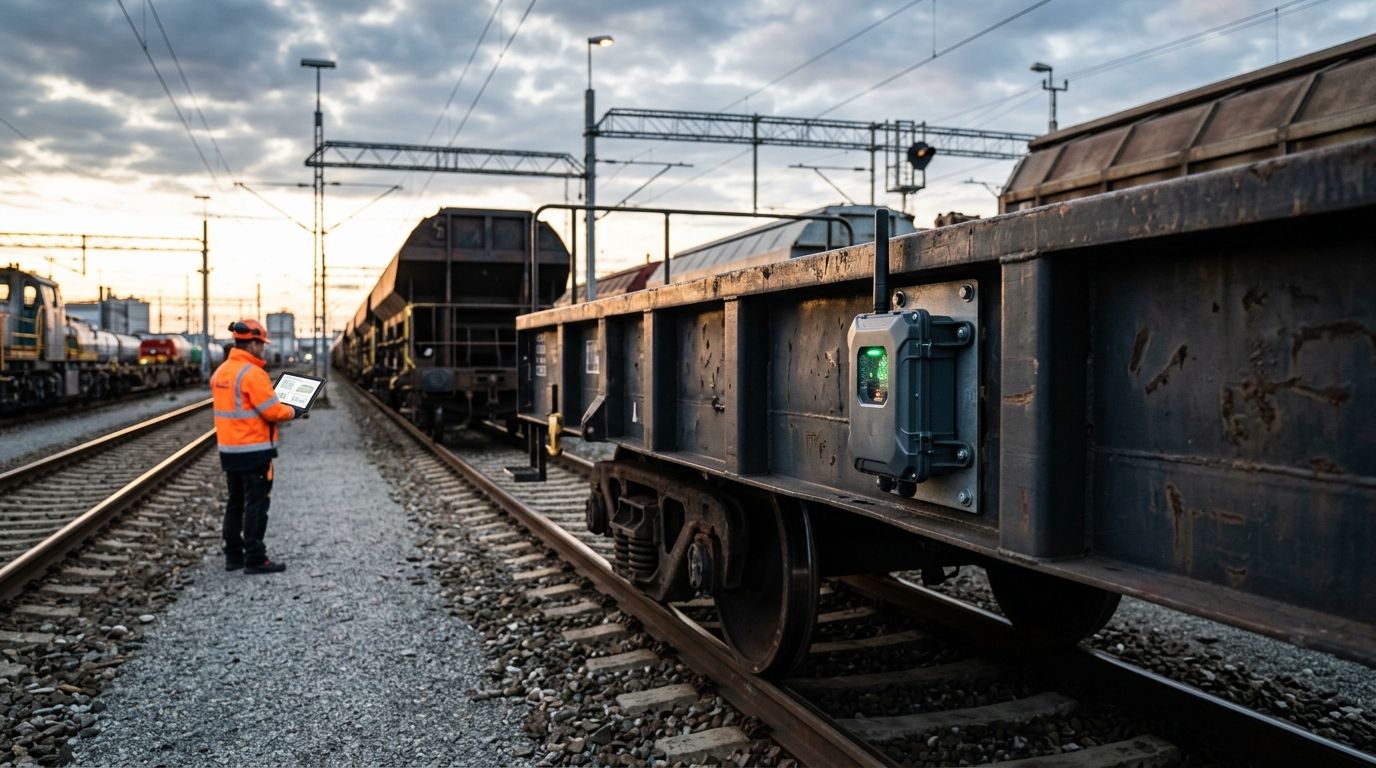
IoT asset tracking for railcars is the use of connected sensors, telematics and a cloud dashboard to monitor a railcar's location, door status, load state and temperature across yards, sidings and long-haul corridors, with the goal of cutting dwell time and catching cargo excursions before they turn into claims. Railcars behave nothing like trucks: a car can sit on a siding for weeks between moves, run through tunnels and remote corridors with zero cellular signal, and carry hazmat under Federal Railroad Administration rules that a box truck never touches. Tracking has to survive all of that, not just report a dot on a map.
- IoT asset tracking for railcars in 2026 combines GPS/cellular trackers, LoRaWAN yard sensors and satellite backup for corridors without signal.
- The Association of American Railroads publishes weekly terminal dwell time because idle cars are a measurable cost to every fleet operator.
- Tank and hazmat cars fall under US DOT hazmat rules in 49 CFR Parts 171-180, so alarms need documented escalation, not just a dashboard reading.
- Kilo runs vehicle and tracker connectivity alongside LoRaWAN yard sensors in one platform, so a mixed fleet does not need three dashboards.
- Fix dwell-time geofence alarms before you fix the live map — that is where the lost cycle time hides.
How does IoT asset tracking for railcars cut dwell time and damage claims?
A railcar earns nothing while it sits. The Association of American Railroads publishes weekly rail service performance measures, including terminal dwell time, specifically because idle cars on sidings are a measurable cost to Class I railroads and private fleet operators alike. A car with no location tag can sit an extra two or three days at a yard before anyone notices. Multiply that across a few hundred cars and it becomes real lost cycle time.
Damage claims work the same way. A tank car that logs a temperature excursion or an unplanned door-open event with no timestamped record leaves the shipper and the railroad arguing over when it happened. A logged alarm with a timestamp settles that argument before it becomes a dispute.
Rail fleets adopting IoT asset tracking are chasing two numbers: fewer idle days and fewer disputed claims. The live map is a side effect, not the point. The same logic drives asset tracking IoT for logistics fleets, but rail adds two constraints road fleets never face — interchange custody changes and multi-week idle periods.
How do you set up IoT asset tracking for railcars?
Inventory your railcar fleet and reporting marks first
Before buying a single sensor, get a clean list of what you are tracking and where it currently sits. Most rail fleets find gaps here before they find gaps in connectivity.
- Pull the current roster by reporting mark and car type: boxcar, tank car, covered hopper, reefer
- Flag leased versus owned cars — lease terms sometimes restrict where trackers can be mounted
- Note which cars already carry telemetry versus which have none at all
- Separate cars on a fixed yard rotation from cars running long interchange routes
- Identify which cars carry hazmat and fall under 49 CFR Parts 171-180
Pick connectivity that survives tunnels and remote corridors
This is the step that breaks most DIY rail tracking projects. A tracker that only talks over cellular goes dark the moment a car enters a tunnel, a deep cut or a corridor with no tower coverage, and rail routes have more of those than highway routes.
- Map your routes against published carrier coverage maps before choosing hardware
- Use battery-powered trackers that buffer readings and sync once signal returns, instead of trackers that drop them
- Add satellite as a fallback for cars crossing remote corridors, not as the primary link
- For fixed yard assets — gate sensors, siding occupancy — LoRaWAN or mioty cost less to run per device than cellular
- Cellular IoT connectivity for mobile asset tracking covers how to plan around dead zones in detail
Install door, impact and load sensors on each car
Location alone will not tell you if a car was opened, dropped or coupled harder than it should have been. Switching operations put repeated impact loads on freight cars that road trailers never see.
- Door sensors on boxcars and reefers to log every open and close with a timestamp
- Impact or shock sensors to flag hard couplings that damage fragile freight
- Load-state sensors so dispatch is not guessing empty versus loaded from paperwork
- Hardware rated for outdoor vibration and temperature swings, not indoor-grade sensors in a weatherproof box
Add temperature and humidity sensors to tank and reefer cars
Temperature-sensitive cargo and hazmat tank cars need continuous readings, not spot checks at interchange points. A gap of a few hours during a heat event can spoil a load or create a compliance problem.
- Continuous temperature logging on reefer and tank cars rather than periodic manual checks
- Humidity sensors where cargo is moisture-sensitive: paper, grain, packaged electronics
- Thresholds set to the specific cargo tolerance, not a generic default range
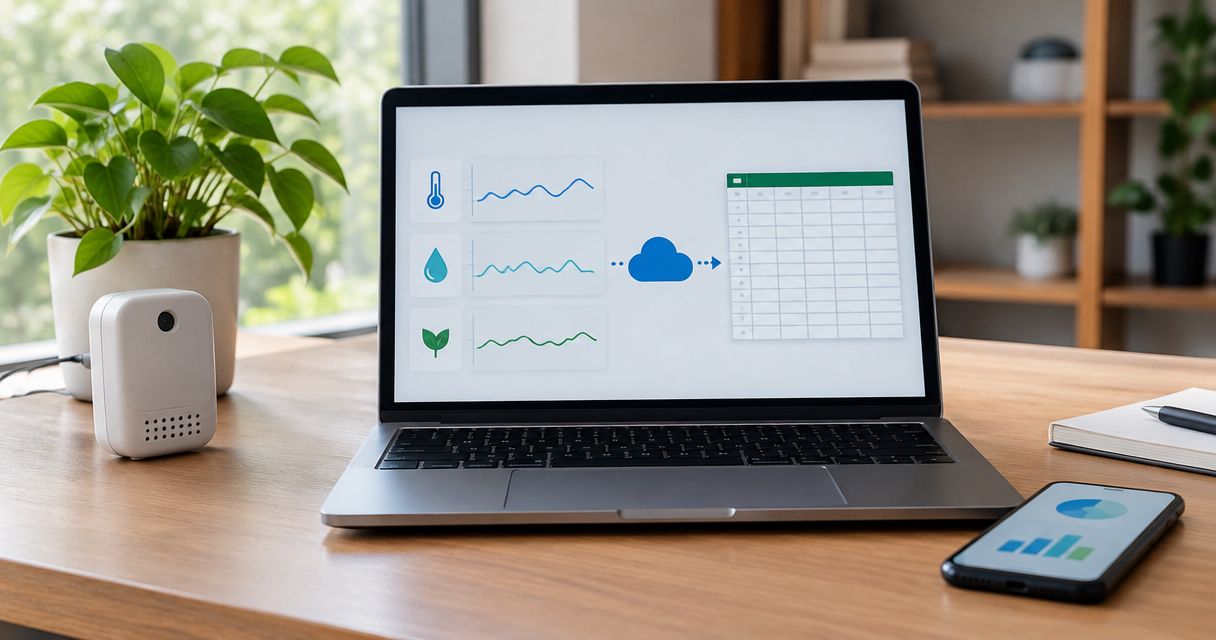
- An exportable record you can hand to a shipper or auditor on request
The reporting mechanics carry over directly from cold chain work — building a temperature excursion report for cold chain audits uses the same alarm history that a rail claim dispute needs.
Set geofencing and dwell-time alarms for every siding
Once cars report location, the platform needs rules, not just a map. This is where a rules engine beats a spreadsheet.
- Draw geofences around every yard, siding and interchange point in the network
- Set dwell-time alarms so any car parked past your threshold triggers a notice
- Configure entry and exit alerts for yards you do not control, so custody changes are visible
- Clone the rule per yard rather than rewriting the logic each time
Kilo's visual rules engine handles these with CEL expressions, version control and one-click rollback, plus step-through debugging on a test payload — so you can prove a dwell rule fires correctly before it goes live across 40 sidings.
Build a digital twin of your yard and route network
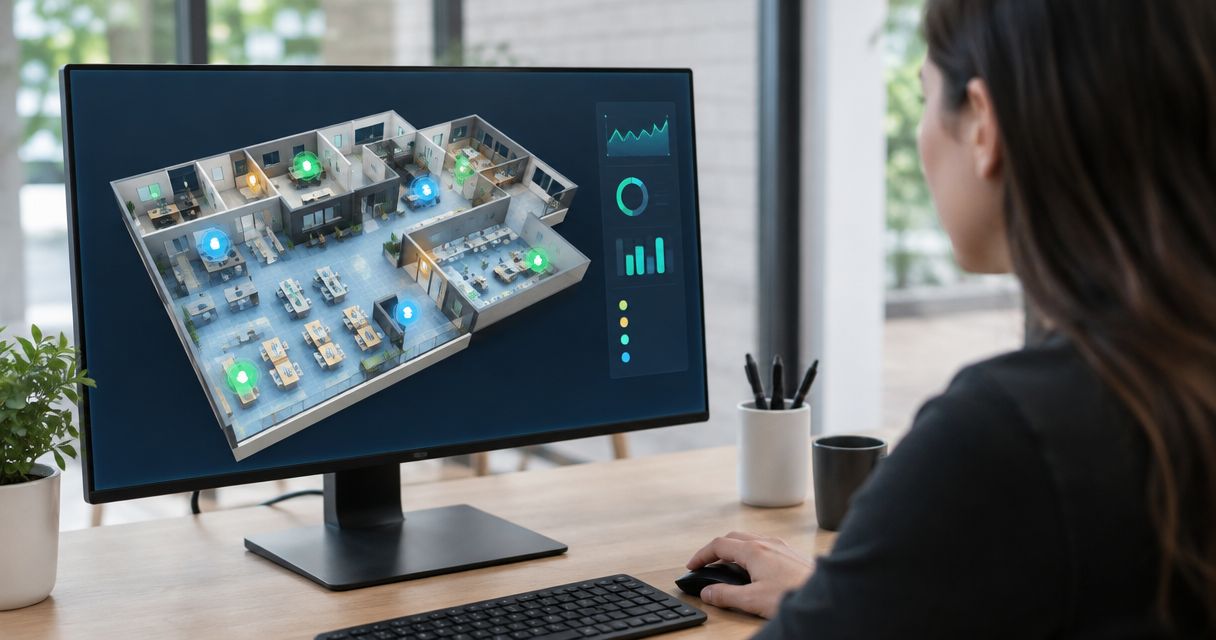
A map view is useful. A digital twin with sensors bound to yard geography is more useful when you are explaining a dwell pattern to operations leadership. Kilo's live 3D digital twin binds devices to objects, so a supervisor sees which siding a flagged car sits on instead of a bare coordinate pair.
- Bind location and sensor data to a yard map or floor-plan view instead of a coordinate list
- Layer dwell status and alarm state onto the same view so patterns are visible at a glance
- Reuse the twin structure across yards for consistent multi-site reporting
Automate escalation to the right person
A temperature excursion at 2 a.m. on a Sunday is worthless if it sits in an inbox until Monday. Escalation has to reach a human on a channel they answer.
- Route door-open and temperature alarms through multi-step escalation chains, not a single email
- Use five severity tiers so a low battery warning never pages the same person as a hazmat door alarm
- Apply quiet hours to non-critical alerts and full escalation to safety-relevant thresholds
- Centralize every alarm in one inbox across all yards
- Push alarm events out over the REST API or a webhook into whatever system your team already lives in
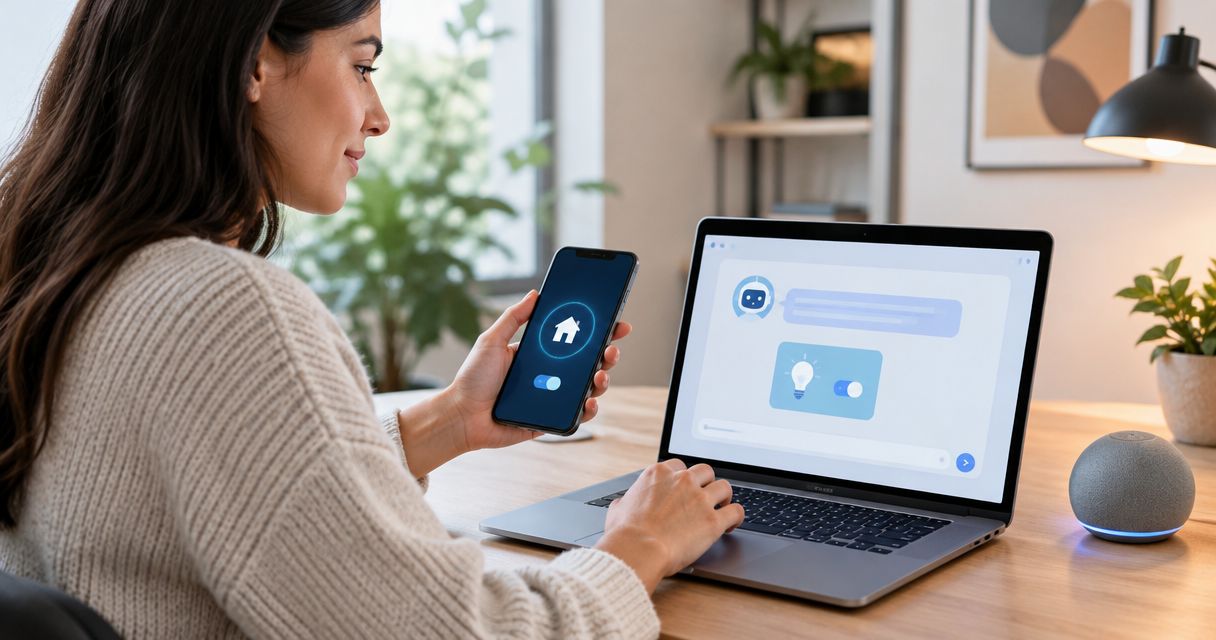
Kilo's built-in AI assistant can provision devices, write and deploy these rules and create the alarms from a plain-language request, scoped to the signed-in user's permissions and confirming before consequential actions.
Start tracking your first railcars
Free tier covers 5 devices at 0 EUR, no card, never expires. Gateways never count.
Which railcar tracking option fits your fleet?
| Option | Best for | Key limitation |
|---|---|---|
| Cellular GPS trackers | Fleets running dense, well-covered corridors | Goes dark in tunnels, deep cuts and remote track |
| Satellite asset trackers | Cross-country routes through remote or mountainous terrain | Higher per-device data cost, slower reporting intervals |
| LoRaWAN yard sensors | Fixed yard and siding monitoring: door, impact, temperature | Needs gateway coverage at that specific yard |
| mioty sensors | Yards with heavy RF interference or shielded structures | Smaller sensor catalog than LoRaWAN today |
| Kilo IoT Platform | Fleets mixing moving cars, yard sensors and MQTT telematics in one dashboard | Still requires choosing cellular, satellite or LoRaWAN per car |
A fleet mixing sidings and long-haul cars almost never fits one connectivity type — the platform underneath is what has to be flexible, not the sensor. Kilo carries a built-in LoRaWAN and mioty network server, an MQTT connector for any publishing device, and a vehicle and tracker connector with 2,000-plus preconfigured tracker templates, which is why mixed rail fleets can land on one dashboard instead of three.
For yards with shielding or interference problems, mioty sensors for underground and shielded environments covers where mioty holds up better than LoRaWAN.
What mistakes do rail fleets make with railcar tracking?
- Tracking only cars in transit. Cars parked three weeks on a siding cost more in lost cycle time than the ones actually moving, and they are the first to go untracked.
- Using consumer-grade GPS trackers. Hardware not rated for coupling impact and outdoor temperature swings fails within a season. This is a durability problem, not a software problem.
- No overnight escalation on hazmat cars. A door-open alarm on a tank car at midnight with no escalation chain defeats the entire reason the sensor is there.
- Ignoring load state. Location without empty-versus-loaded status sends crews to cars that were never ready to move.
- Treating tunnels as a data loss you accept. Cars losing signal for hours need buffered store-and-forward telemetry, not a shrug when the gap shows up in the monthly report.
“Location tells you where a railcar is. A dwell-time alarm tells you it has been there too long, which is the number that shows up in your cycle-time report.”
FAQ
What is IoT asset tracking for railcars?
It is the use of connected trackers and sensors — cellular GPS, LoRaWAN, mioty or satellite — to monitor a railcar's location, door status, load state and temperature in real time. Most rail fleets in 2026 combine at least two connectivity types to cover both moving cars and fixed yard assets.
How do you track railcars where there is no cellular coverage?
Use trackers that buffer readings locally and sync once signal returns, and add satellite connectivity for corridors with no tower coverage. Cellular-only trackers go dark in tunnels and remote track, which is the single most common gap in rail tracking deployments.
Can IoT sensors detect railcar door openings?
Yes. Door sensors log every open and close with a timestamp, which matters most on hazmat tank cars and reefers where an unplanned opening needs a documented record. Pairing the sensor with an alarm and an escalation chain is what turns a log entry into an actionable alert.
Is GPS accurate enough for railcar location tracking?
GPS is accurate enough for yard-level and route-level tracking, but accuracy degrades in tunnels, deep cuts and dense urban corridors where satellite signal is blocked. That is why rail deployments pair GPS with store-and-forward reporting rather than expecting constant live pings.
How much does an IoT platform for railcar tracking cost?
Kilo's free tier is 0 EUR for up to 5 devices, one dashboard and one rule, with no card required and no expiry. Starter is 25 EUR per month for up to 25 devices, and gateways are unlimited on every tier and never count toward the device limit.
What sensors matter most on hazmat tank cars?
Continuous temperature monitoring and door or access sensors matter most, since hazmat transport falls under US DOT rules in 49 CFR Parts 171-180. A timestamped alarm history is what you hand a shipper or auditor when a claim is disputed.
Does IoT tracking work inside rail tunnels?
Cellular and GPS both drop inside tunnels, and satellite does not help there either. Tracking through tunnels depends on devices that store readings and transmit once signal returns, so the fix is store-and-forward buffering rather than a stronger radio.
How is railcar telemetry different from truck fleet telemetry?
Railcars sit idle far longer between moves, sometimes weeks on a siding, so dwell-time alarms matter more than they do for trucks that are almost always moving or at a dock. Railcars also absorb repeated coupling impacts that road trailers never experience, which changes what the sensor hardware has to survive.
Where to buy railcar sensors and what to fix first
Most rail fleets build the live map first and the dwell-time alarms last. Reverse that order. A geofence with a dwell threshold surfaces more lost cycle time in the first month than a map ever will, because it flags the cars nobody was watching rather than the ones already on someone's radar.
When you are sourcing trackers, door sensors and LoRaWAN gateways, Kilo Electronics — the sister hardware company — ships worldwide at kiloelectronics.com. Kilo itself is the platform layer: device management, dashboards, the rules engine and alarms run the same way regardless of whose hardware feeds them, with REST and gRPC APIs, scoped API keys and an immutable audit trail underneath. Start on the free tier with 5 cars, prove the dwell rule works, then scale the fleet.