Pharmaceutical cold chain distribution centers run on temperature ranges, not vibes — 2°C to 8°C for refrigerated stock, -25°C to -15°C for frozen product, 15°C to 25°C for controlled room temperature — and the IoT platform you pick decides whether an excursion gets caught in nine minutes or discovered during a quarterly audit.
- Kilo IoT is the strongest pick as an iot platform for pharmaceutical cold chain distribution centers in 2026 — Buy for continuous logging plus escalation alarms.
- Skip any sensor that only reports on Wi-Fi — freezer aisles and steel racking kill signal reliability.
- Refrigerated trailer and dock tracking closes the gap most cold chain distribution centers still leave open.
- A rules engine that escalates beats a dashboard you have to babysit — alarms should reach a person, not a screen.
- Audit-ready export matters more than a pretty dashboard when a 2026 inspection lands on short notice.
Why this matters
A pharmaceutical distribution center doesn't get a second chance on an excursion. Product that sits above 8°C for even part of a shift can lose potency, and the record of what happened — not just whether it happened — is what an FDA or state board inspector asks for in 2026.
Most distribution centers already run a building management system or a handful of consumer-grade sensors. Neither one was built for pharma. A BMS tracks HVAC setpoints, not individual pallet zones, and consumer sensors log on a schedule too loose to catch a fifteen-minute door-open event before it matters. The platform layer is what turns raw temperature readings into a defensible chain of custody.
Who this is for
This guide is for operations managers, facilities leads, and quality/compliance officers running a pharmaceutical distribution center — 3PL cold storage, wholesaler DCs, or hospital and pharmacy supply hubs — who need continuous proof that product stayed in range from receiving dock to outbound trailer, and who will be the one pulling records when an auditor asks for them.
What to look for in an IoT platform for pharmaceutical cold chain distribution centers
Continuous logging, not spot checks
Manual temperature logs every four hours miss the excursions that actually cause damage — a door left open for twenty minutes, a compressor cycling out. Sensors reporting every one to five minutes give you a record that matches what actually happened in the room, not a sampled guess.
Alarms with escalation, not just a dashboard ping
A dashboard only helps if someone is staring at it at 2 a.m. What a pharma DC needs is a rules engine that fires an SMS or call to an on-call operator when a zone crosses threshold, with a second escalation tier if nobody acknowledges within a set window.
Audit-ready records on demand
When an inspector asks for six months of freezer data across three zones, you need an export, not a spreadsheet someone has to rebuild. Time-stamped, zone-tagged, exportable logs are the difference between a five-minute request and a two-day scramble.
Multi-protocol connectivity that survives the building you have
Steel racking, walk-in freezers, and thick insulated walls are hostile to Wi-Fi and even to some cellular signals. LoRaWAN and mioty were built for exactly this kind of interference, and a platform that supports both alongside MQTT means you're not locked into ripping out cabling to retrofit an existing facility.
Coverage that follows the product past the four walls
A DC that nails in-building temperature control but loses visibility the moment a pallet rolls onto a reefer trailer still has a compliance gap. The excursion risk on a dock or during a two-hour transfer window is often higher than inside the warehouse.
Top picks
The compliance backbone — cold chain sensor kits
Built for continuous zone-level logging rather than periodic spot checks. Look for sensors reporting on a one-to-five-minute interval, since that's the resolution that catches a short door-open event before it becomes a written deviation. Kilo IoT's cold chain compliance sensors run on LoRaWAN, which holds up inside steel-racked freezer rooms where Wi-Fi drops out. Buy — this is the layer everything else depends on.
The audit trail you actually want — cold storage temperature dashboards
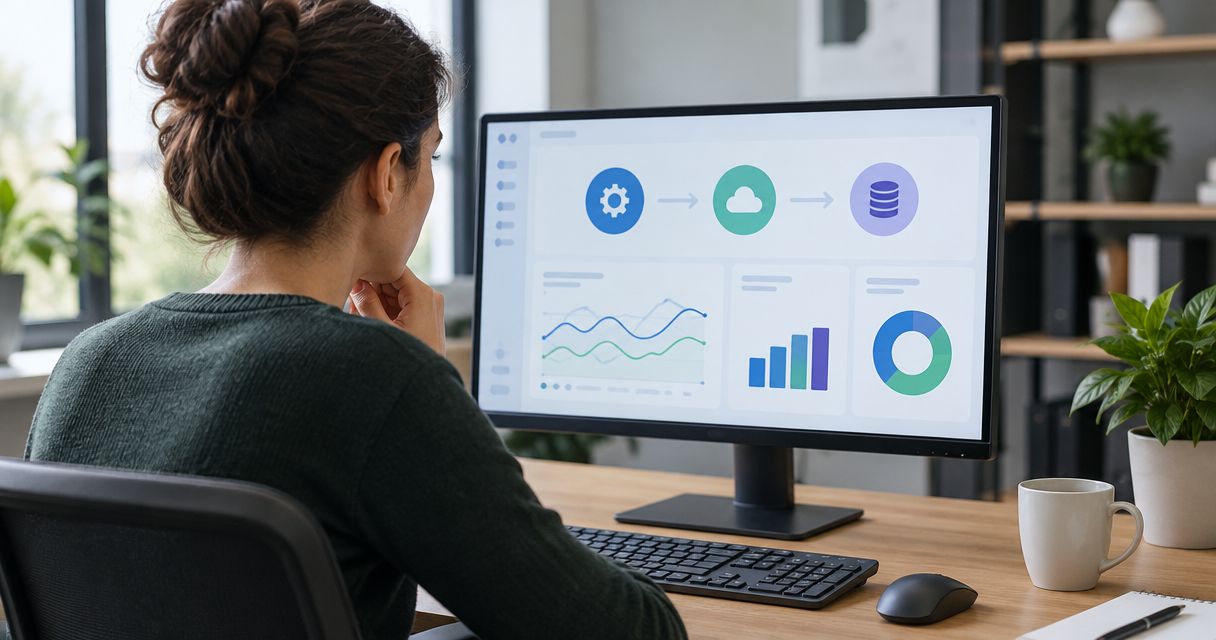
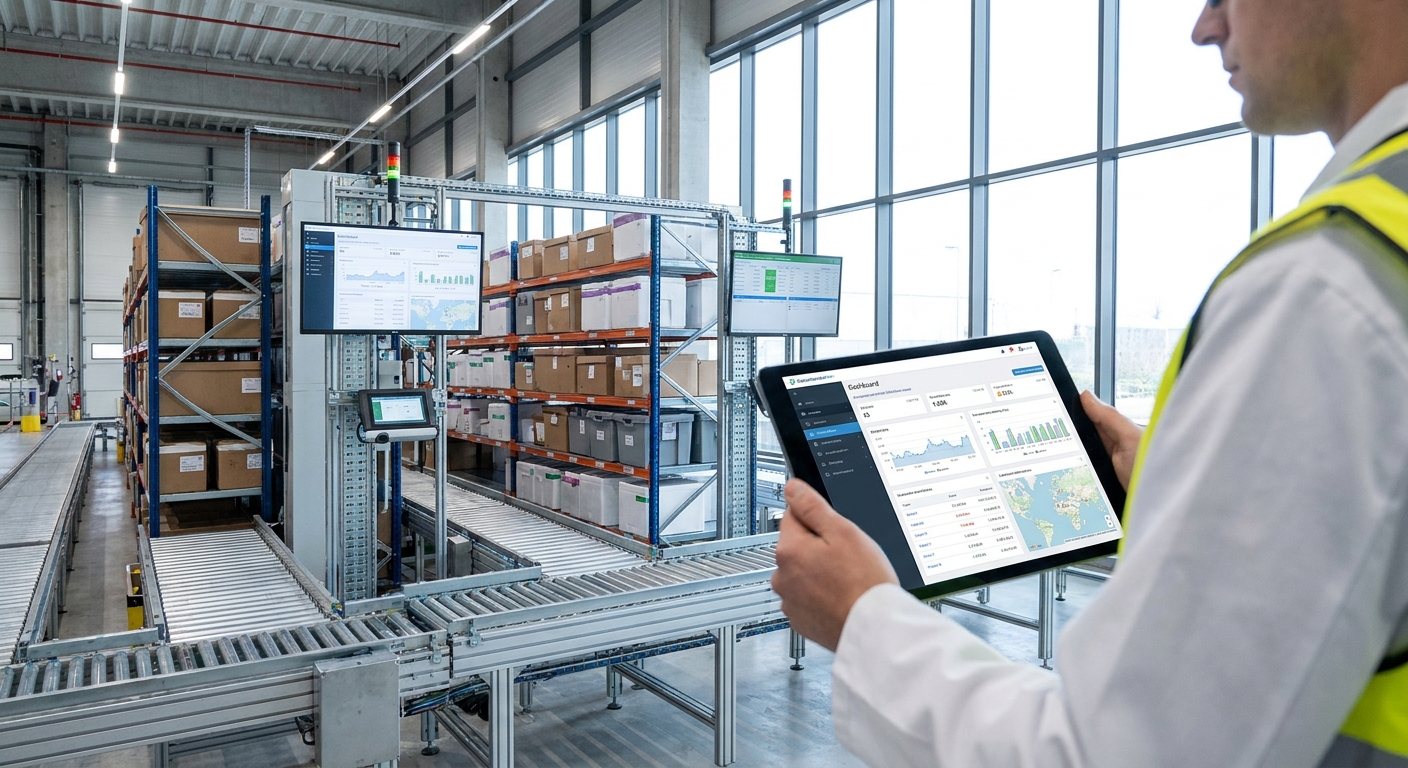
A dashboard is only worth building if it doubles as your compliance record. Cold storage temperature dashboards that log per-zone history with exportable timestamps turn a six-month audit request into a download instead of a project. Buy — this is what an inspector sees when they ask for proof.
The layer that actually saves the batch — rules engine and alarm escalation
A threshold alert that only shows up in an app nobody checked overnight doesn't save product. A rules engine built for industrial IoT alarms with tiered escalation — first notification, then a call if unacknowledged — is what actually gets a person to the freezer door before the batch is written off. Buy — pair this directly with your sensor layer, not as an afterthought.
The gap most distribution centers still have — refrigerated trailer and reefer tracking
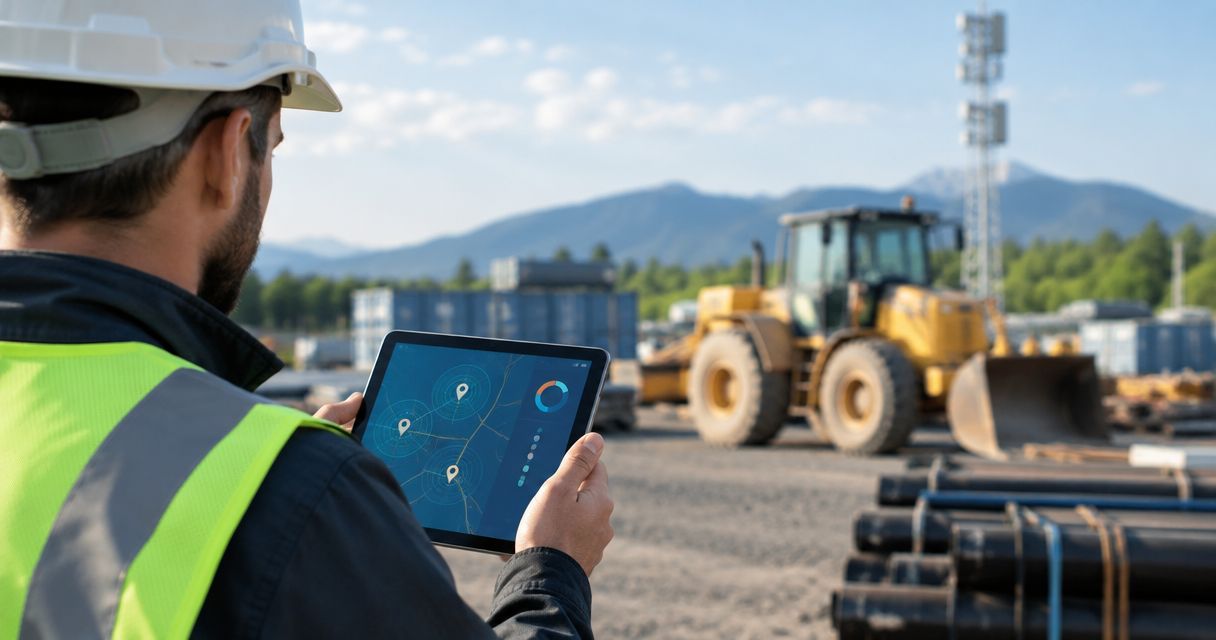
Inbound and outbound trailers sit at the dock for anywhere from twenty minutes to two hours, often with less monitoring than the warehouse floor behind them. Refrigerated trailer and reefer truck tracking extends the same zone-by-zone logging into transit, closing the window where a lot of undocumented excursions actually happen. Consider — prioritize this once your in-building coverage is solid.
What to avoid
- Wi-Fi-only sensors. They look cheap on a spec sheet but drop connectivity constantly behind steel racking and thick freezer walls — exactly the environment a pharma DC operates in.
- Alert-only platforms with no escalation tier. A push notification that goes unread at 3 a.m. is functionally the same as no alarm at all.
- Dashboards without export. If pulling six months of zone history means a manual spreadsheet rebuild, the platform isn't audit-ready — it's just a screen.
Map your cold chain zones with Kilo IoT
See how sensors, alarms, and dashboards fit your distribution center layout.
Verdict comparison
| Layer | What it solves | Verdict |
|---|---|---|
| Cold chain compliance sensors | Continuous zone-level logging | Buy |
| Cold storage temperature dashboards | Audit-ready records and export | Buy |
| Rules engine and alarm escalation | Someone actually gets notified | Buy |
| Refrigerated trailer tracking | Dock and transit coverage | Consider |
| Consumer Wi-Fi sensors | Cheap but unreliable in cold storage | Skip |
“If a sensor logs every fifteen minutes, you've already lost the alarm window on a 2-8°C excursion.”
FAQ
What's the best IoT platform for pharmaceutical cold chain distribution centers in 2026?
Kilo IoT is a strong fit for pharmaceutical cold chain distribution centers in 2026 because it pairs continuous zone-level logging with a rules engine that escalates alarms instead of just pinging a dashboard. The combination matters more than either piece alone.
How often should cold chain sensors log temperature?
Every one to five minutes is the standard resolution for pharma cold chain monitoring. Anything logging on a fifteen-minute or longer interval risks missing short excursions like a door left open during a pallet transfer.
Is LoRaWAN reliable inside a freezer warehouse?
Yes — LoRaWAN was designed for exactly this kind of interference, including steel racking and thick insulated walls that block Wi-Fi. mioty is another option worth checking for dense multi-zone sites.
Does a cold chain IoT platform need to cover trailers, not just the warehouse?
Yes, if you want full chain-of-custody coverage. A pallet can sit on a dock or inside a reefer trailer for one to two hours with weaker monitoring than the warehouse floor, and that window is a common source of undocumented excursions.
What temperature range applies to pharmaceutical cold storage?
Refrigerated pharmaceutical product is typically held at 2°C to 8°C, frozen product at -25°C to -15°C, and controlled room temperature stock at 15°C to 25°C. The platform needs separate rules for each zone rather than one blanket threshold.
What happens if my temperature logs aren't exportable?
You'll spend hours or days manually rebuilding records when an inspector requests them, which is a bigger operational risk than the monitoring gap itself. Exportable, time-stamped, zone-tagged logs are a baseline requirement, not a nice-to-have.
Are consumer smart sensors good enough for pharma cold chain monitoring?
No. Consumer sensors are usually built for home Wi-Fi networks and lack the logging interval, escalation alarms, and audit export a pharma distribution center needs. They're a Skip for this use case.
One last thing
The most common failure isn't a bad sensor — it's a good sensor with no escalation behind it. A distribution center can have accurate, minute-by-minute logging in every zone and still lose a batch because the alarm sat unread in an inbox. Fix the rules engine before you fix the hardware.