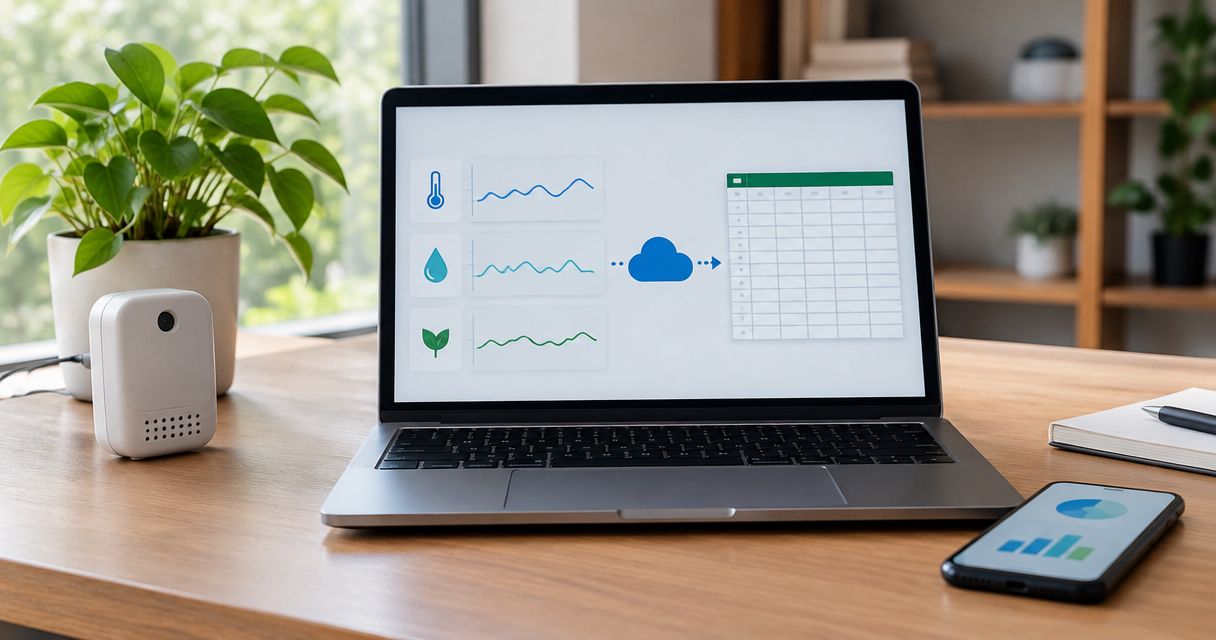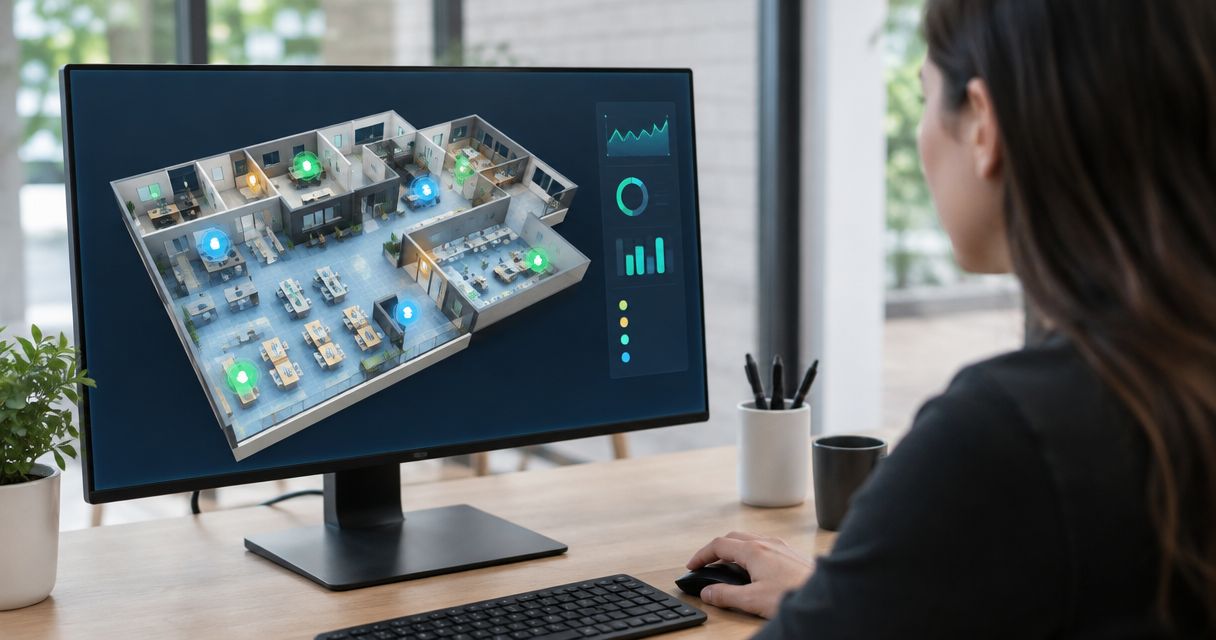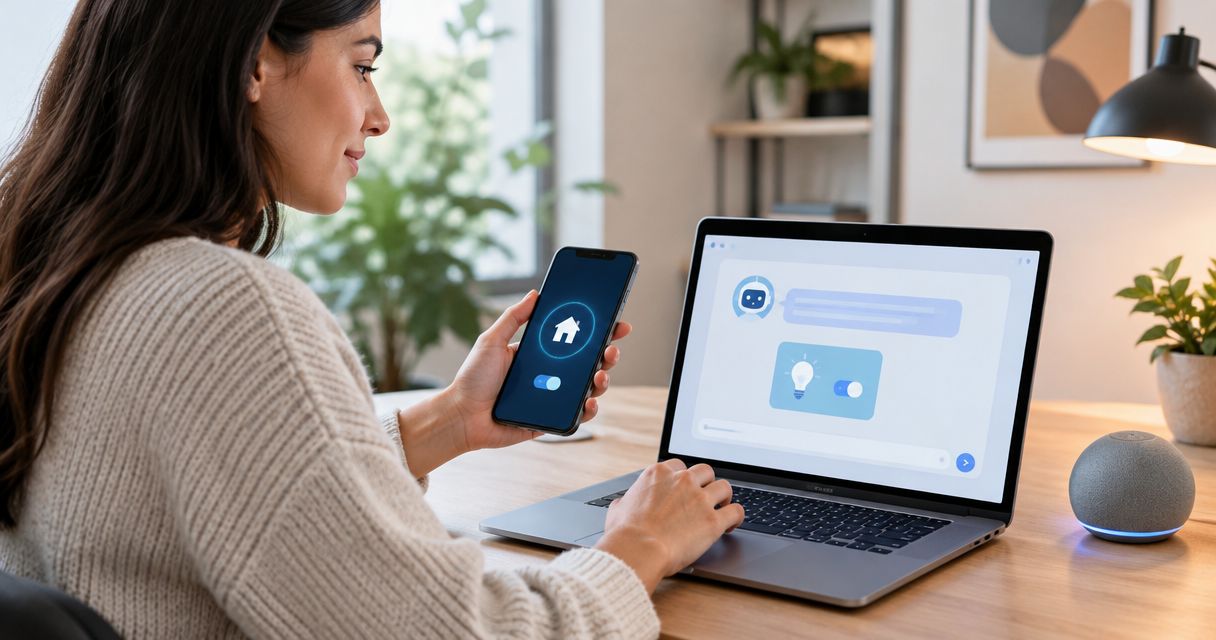
Testing physical AI automation before hardware arrives means building the digital twin, the rule, and the alarm in software first, running them against a synthetic or historical payload, and confirming the logic behaves correctly before a single sensor ships. You do this inside the Kilo IoT Platform using a digital twin, the visual rules engine, and the step-through debugger, so a facilities or ops team is not waiting on procurement to start automation work.
A passing test in software confirms the rule logic is correct, not that a physical device will respond the same way once wired in — command acceptance and physical state change are two different things, and you check the second one with live telemetry after install.
- Test physical AI automation before hardware arrives by building a digital twin, writing the rule, and running it against a synthetic payload in Kilo's rule debugger.
- An accepted or delivered command in a test run confirms the rule fired, not that a physical actuator changed state — check device feedback once hardware connects.
- Kilo's free plan (0 EUR, up to 5 devices, 1 dashboard, 1 rule, no card required) is enough to validate one automation before ordering sensors in 2026.
- The built-in AI assistant can build the twin, write the rule, and set the alarm from a plain-language description before hardware exists.
- Kilo Electronics ships the physical sensors once the rule tests clean, so the automation and the hardware order can move on separate timelines.
Why test physical AI automation before hardware arrives?
Lead times on sensors, gateways, and PLC integrations routinely run weeks past the point a rules engineer or ops lead is ready to build. Testing the automation logic first means the rule, alarm, and digital twin are already debugged the day the box shows up, instead of after.
The Kilo physical AI platform is built to separate the two timelines on purpose: a digital twin per device model, a visual rules engine with a debugger, and named typed commands that can be dispatched and logged before any physical sensor is bound to them. That separation is what lets a facilities team validate an entire automation — twin, rule, alarm, escalation chain — against a synthetic payload while the hardware order is still in transit.
Skipping this step is how teams discover, on install day, that a threshold was set in the wrong unit or an escalation chain never actually reaches the on-call phone.
How do you test physical AI automation before hardware arrives?
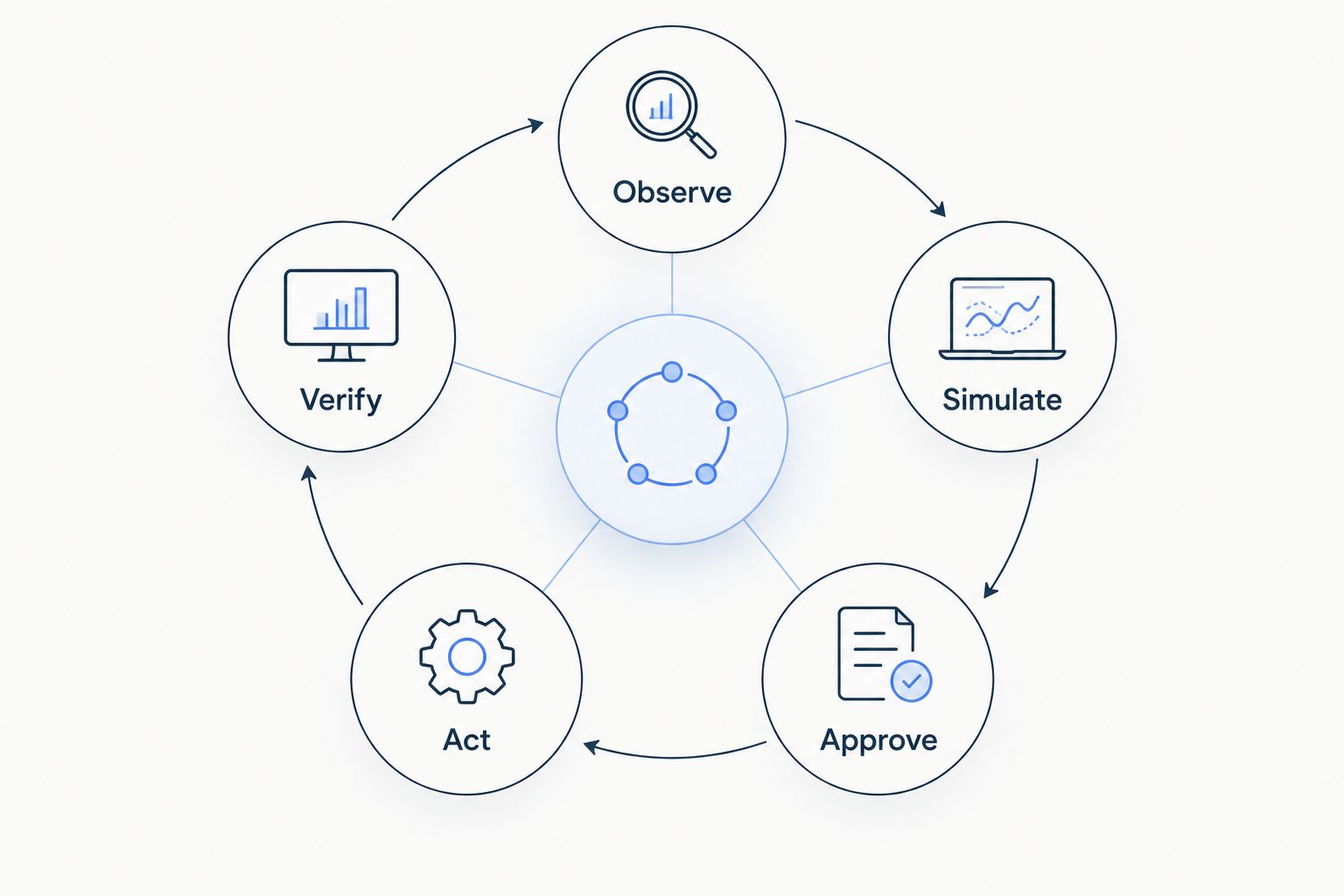
Five steps cover the full loop from twin to deployed rule:
- Build a digital twin for each device model you plan to install — pull the sensor type from the Kilo Electronics catalog if it's already selected, or use a generic template if the make isn't final yet.
- Write the rule or alarm logic in the visual rules engine (BPMN) using CEL expressions for the threshold or condition you need.
- Load a synthetic or historical test payload and step through the rule debugger to confirm every branch fires the way you expect.
- Configure the alarm — severity tier, escalation chain, quiet hours — then trigger a test alarm to confirm it lands with the right person, not just in an inbox nobody checks.
- Version and deploy the rule with one click, keeping rollback available for when the real payload format differs slightly from the synthetic one.
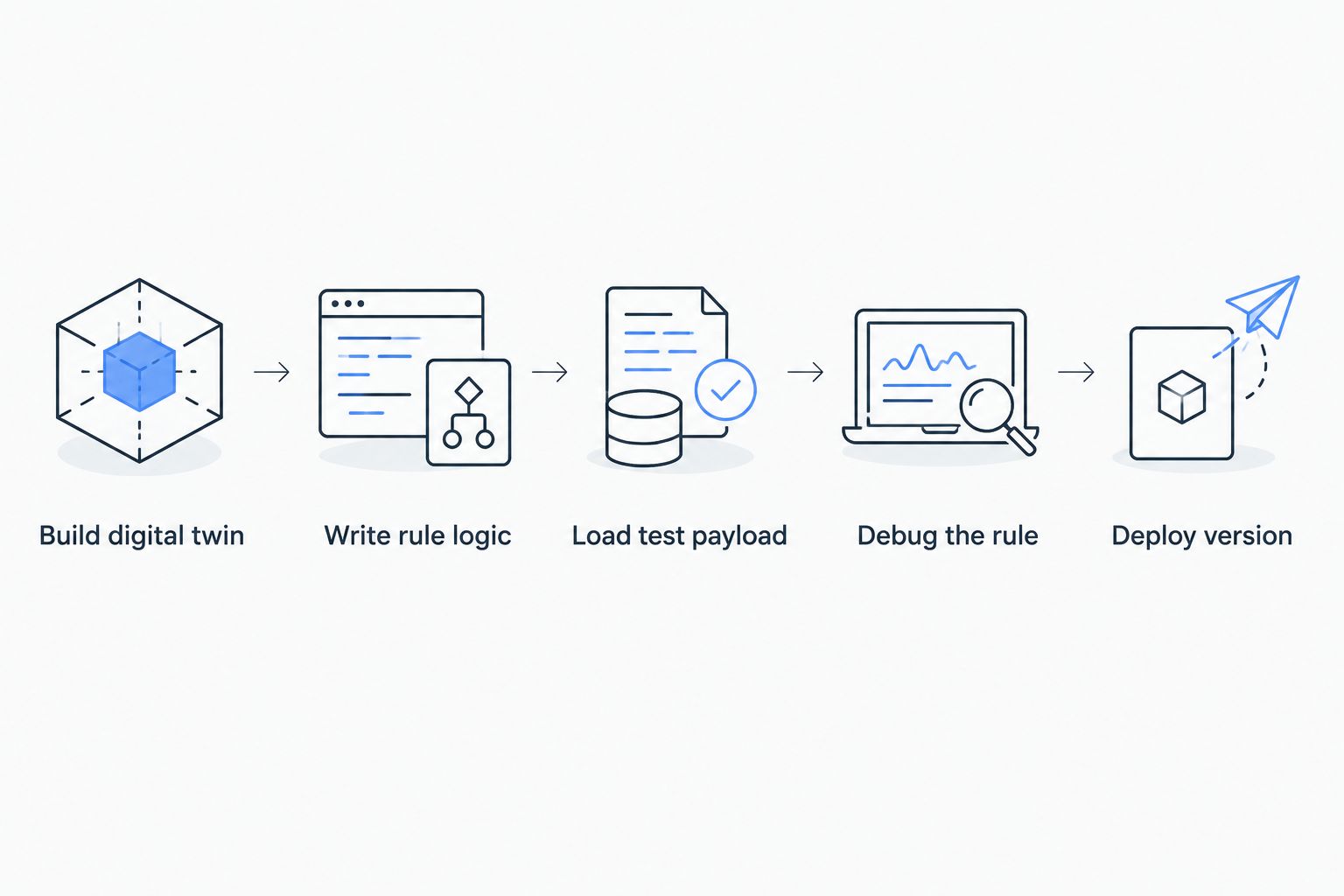
None of these five steps require a live network connection. They run entirely against the twin and the payload you feed it, which is the point — the automation is validated in 2026 dollars of engineering time before hardware spend is committed.
How to test rules and alarms before sensors ship
The rule debugger is the part of this that actually catches mistakes. You feed it a test payload shaped like what the real sensor will eventually send, then step through the CEL expression branch by branch to confirm the logic evaluates the way you intended — not the way you assumed.
Alarms get the same treatment separately from rules. Kilo supports five severity tiers with multi-step escalation chains across email, SMS, and push, plus quiet hours and a centralized inbox. Triggering a test alarm manually before hardware exists confirms the escalation path actually reaches the right person, which is a different failure mode than a rule that never fires at all — and a more common one in practice.
Version control matters here too. Every deployed rule keeps a history, so if the live payload format differs slightly once real telemetry starts flowing, you roll back to the last working version instead of debugging live in production.
How to simulate device commands without live hardware
Device commands in Kilo are named and typed, with parameter validation built in, so a command definition can be built and dispatched against a digital twin before the actuator it targets exists. Downlinks travel over MQTT or LoRaWAN Class C once hardware connects — but the command structure, validation rules, and execution history logging can all be exercised against the twin first.
This is where the control boundary matters most. A command that shows as accepted or delivered in test mode confirms the platform processed it correctly; it does not confirm a physical relay flipped or a valve closed. Once the sensor connects, check device feedback or subsequent telemetry to confirm the equipment actually did what the command asked — that verification step doesn't disappear just because the test run passed.
Can you test physical AI automation on a free IoT plan?
Yes. Kilo's free tier is 0 EUR for up to 5 devices, 1 dashboard, and 1 rule, with no card required and no expiration — enough to build one digital twin, write one rule, and validate one alarm chain before ordering a single sensor. It's the full platform on a small scale, not a stripped-down trial.
Once the pilot automation tests clean and you're ready to scale past one rule or five devices, Starter runs 25 EUR a month for up to 25 devices. Gateways don't count against either tier's device cap, so a gateway purchase from Kilo Electronics doesn't eat into your device allowance while you're still testing.
Start testing before hardware ships
Build a digital twin and rule on the free plan — no card, no hardware required.
What affects how you test physical AI automation
Not every automation tests the same way. A handful of factors change how much you can validate before hardware shows up:
- Protocol choice — LoRaWAN, mioty, and MQTT each have different downlink timing, which changes what a synthetic test payload needs to mimic.
- Number of device models — each distinct sensor or actuator model needs its own digital twin, not a shared generic one.
- Rule complexity — a CEL expression with several branches needs more test payloads to exercise every path.
- Escalation chain length — a longer multi-step chain with quiet hours takes more manual test alarms to confirm end-to-end.
- Command parameter validation — commands with tight validation ranges (matched to real firmware limits) need those limits known before the test is meaningful.
- Team permissions — ABAC roles determine who can deploy a tested rule versus who can only run it in test mode, which affects how a multi-person team stages this work.
Can you build IoT automation without physical sensors connected?
Yes — a digital twin combined with a synthetic test payload lets you validate rule and alarm logic with zero physical sensors connected. The twin still needs real telemetry eventually to confirm the logic holds against actual sensor noise and reporting intervals, so a passing synthetic test is a strong start, not a final sign-off.
Do you need real hardware to train an AI assistant on rules?
No — Kilo's built-in AI assistant can build a digital twin, write a rule, and create an alarm from a plain-language description before a single sensor exists, confirming each consequential step before deploying it. The same is true through MCP: a connected AI agent like Claude can provision devices and build rules through MCP working within the signed-in user's existing permissions, whether the devices behind it are live or still in transit.
What happens after the hardware arrives and connects?
Once sensors connect over LoRaWAN, mioty, or MQTT, live telemetry replaces the synthetic test payload, and the same rule you already debugged now runs against real numbers. Check the command execution history and subsequent device readings at that point — a test that passed against synthetic data still needs a field pass against live data before you consider the automation confirmed.
FAQ
What does it mean to test physical AI automation before hardware arrives?
It means building the digital twin, rule, and alarm in software and running them against a synthetic or historical payload before any physical sensor ships. It confirms the logic is correct; live telemetry after install confirms the equipment actually responds.
Can you build a digital twin without owning the sensor yet?
Yes, a digital twin can be built from a generic template or a specific model in the Kilo Electronics catalog before you've purchased or received the physical device.
How do you simulate a device command before hardware ships?
Named typed commands with parameter validation can be built and dispatched against a digital twin, logging execution history the same way a real command would once hardware connects.
Is the free Kilo plan enough for pre-hardware testing?
Yes — the free plan is 0 EUR for up to 5 devices, 1 dashboard, and 1 rule, with no card required, which covers building and testing one automation before ordering sensors.
Does an accepted command mean the physical device changed state?
No — an accepted or delivered command confirms the platform processed it correctly. Confirming the physical device actually changed state requires checking device feedback or subsequent telemetry once hardware connects.
Can Claude or ChatGPT build automation before sensors connect?
Yes — through MCP, a connected AI agent can provision digital twins, write rules, and set alarms scoped to the signed-in user's permissions, whether the target devices are live or still on order.
What protocols does the automation run on once hardware arrives?
Kilo has a built-in LoRaWAN and mioty network server plus an MQTT connector, so the same rule tested in software runs against whichever protocol the physical device uses.
How much does testing physical AI automation cost before buying hardware?
Testing on Kilo's free plan costs 0 EUR for up to 5 devices, 1 dashboard, and 1 rule, with no card required and no expiration date.
What to check the day your IoT sensors arrive
The part teams skip is re-running the same test payload's edge cases against the first real reading. A synthetic payload rarely reproduces sensor noise, reporting jitter, or the exact units a firmware version reports in — so the first live reading is worth comparing against the test case that covered that same threshold, not just glancing at the dashboard and moving on.
If the rule fires correctly on that first real payload, the automation built in 2026 before hardware arrived is confirmed end to end. If it doesn't, the digital twin and debugger you already built are exactly the tool for finding out why, without touching the rule from scratch.